
Boeing is close to a non-prosecution agreement with the US Department of Justice over the 737 MAX crashes that killed 346 people
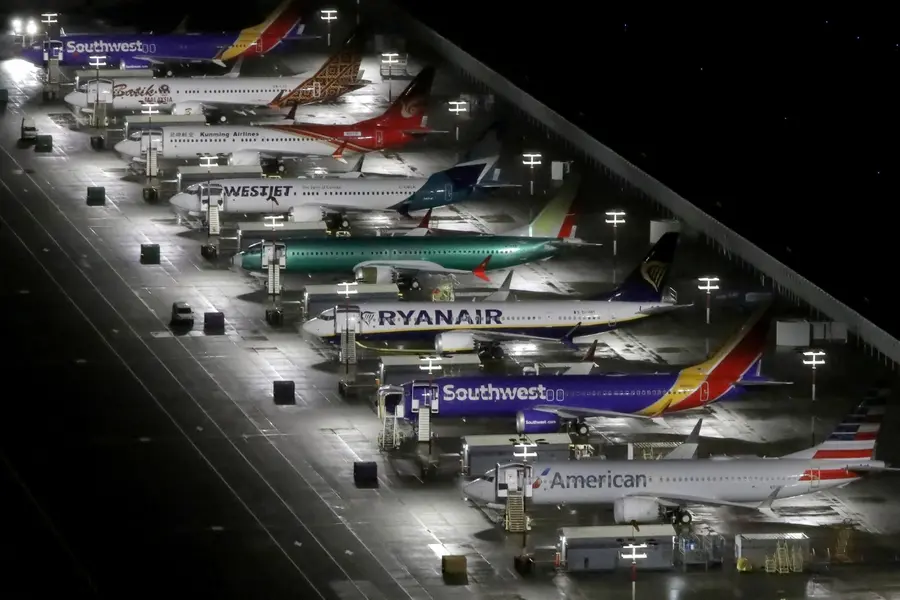
Washington: Boeing is reportedly nearing a non-prosecution agreement with the US Department of Justice (DOJ) in connection with the two fatal 737 MAX crashes in 2018 and 2019 that killed 346 people, Reuters has reported.
In a significant development, Boeing is reportedly nearing a non-prosecution agreement with the US Department of Justice (DOJ) concerning the two fatal 737 MAX crashes in 2018 and 2019 that claimed 346 lives, Reuters reports. This tentative deal would allow the aircraft manufacturer to avoid a criminal trial and a guilty plea, a move that has sparked outrage among the victims' families.
Background of the case
The controversy centers on allegations that Boeing misled the Federal Aviation Administration (FAA) about the Manoeuvring Characteristics Augmentation System (MCAS), a flight control system implicated in the crashes of Lion Air Flight 610 and Ethiopian Airlines Flight 302. Investigations revealed that MCAS could force the aircraft into a nosedive under certain conditions, and pilots were not adequately informed or trained to handle such scenarios.
In 2021, Boeing entered into a deferred prosecution agreement (DPA) with the DOJ, agreeing to pay $2.5 billion in penalties and admitting that its employees had deceived regulators. However, in 2024, the DOJ determined that Boeing had violated the terms of the DPA, reopening the possibility of prosecution.
Details of the tentative agreement
Under the proposed non-prosecution agreement, Boeing would avoid a felony conviction. The deal includes the appointment of an independent compliance monitor, a $243 million fine, and a $444.5 million fund for the victims' families.
This arrangement marks a departure from a previous plea deal in which Boeing had agreed to plead guilty to a fraud charge. That deal was rejected in December 2024 by U.S. District Judge Reed O'Connor, who raised concerns about the selection process for the independent monitor.
Reactions from victims' families
The potential agreement has been met with strong opposition from the families of the crash victims. They argue that allowing Boeing to avoid a criminal conviction undermines accountability and justice. Many have expressed their intention to formally object to the deal during court proceedings.
Next steps
The DOJ has scheduled a meeting with the victims' families to discuss the proposed agreement. A trial date has been set for June 23, 2025, but the final decision on whether to proceed with prosecution or finalize the non-prosecution agreement remains pending.
This development continues to draw international attention, highlighting the ongoing debate over corporate accountability and regulatory oversight in the aviation industry.
Published: 19 May 2025, 05:15 pm IST
Related Topics
Disclaimer: Kindly avoid objectionable, derogatory, unlawful and lewd comments, while responding to reports. Such comments are punishable under cyber laws. Please keep away from personal attacks. The opinions expressed here are the personal opinions of readers and not that of Mathrubhumi.
