
BBC director general Tim Davie and CEO of News Deborah Turness have resigned following criticism over a Panorama documentary that allegedly misrepresented former US President Donald Trump’s speech.
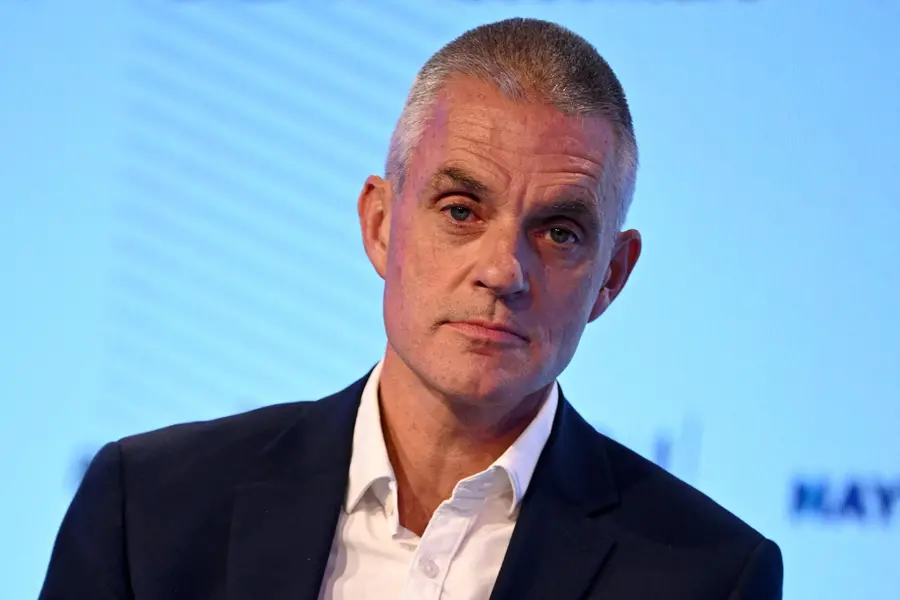
London: BBC Director General Tim Davie and News CEO Deborah Turness stepped down after the broadcaster faced criticism over its Panorama documentary, which reportedly edited two parts of Donald Trump’s speech to make it appear that he explicitly encouraged the January 6, 2021 Capitol Hill riots.
Leaked memo sparks debate
Also Read

The resignations followed the publication of a leaked internal memo by Michael Prescott, a former independent adviser to the BBC’s Editorial Standards Committee. The memo raised questions about the documentary’s editing choices and potential misrepresentation of Trump’s remarks.
In a statement, Davie said: “Overall the BBC is delivering well, but there have been some mistakes made and as Director-General I have to take ultimate responsibility.” He noted that while his resignation was a personal decision, recent controversies surrounding BBC News contributed to his choice.
Davie also highlighted the importance of the BBC in “increasingly polarised times,” emphasising its role in promoting kindness, tolerance, and curiosity. He expressed gratitude to the Board for their support and said he would ensure an orderly transition for his successor.
Ongoing scrutiny of BBC
The controversy adds to a series of recent debates around BBC coverage, including its Glastonbury reporting and other high-profile editorial decisions. The resignations mark a significant moment for the UK broadcaster, highlighting the challenges of maintaining trust and editorial integrity in a highly scrutinised media landscape.
The Panorama documentary in question was intended to analyse Trump’s role in the events surrounding January 6, 2021. However, Prescott’s memo alleged that segments of Trump’s speech were combined in a way that could mislead viewers.
Davie, who served as BBC Director-General for five years, has led the corporation through several controversies, balancing editorial independence with public accountability. Turness, as News CEO, oversaw the editorial output across BBC News services, including major investigative programmes.
Their simultaneous resignations underscore the heightened pressure on media executives to maintain rigorous editorial standards, particularly in politically sensitive reporting. The BBC Board is now tasked with appointing successors who can restore confidence among audiences, regulators, and the broader UK public.
The Panorama controversy has reignited broader discussions about media impartiality, editorial decision-making, and accountability in public service broadcasting.
Published: 09 Nov 2025, 11:58 pm IST
Related Topics
Disclaimer: Kindly avoid objectionable, derogatory, unlawful and lewd comments, while responding to reports. Such comments are punishable under cyber laws. Please keep away from personal attacks. The opinions expressed here are the personal opinions of readers and not that of Mathrubhumi.