
Bangladesh is battling a severe measles outbreak, with at least 98 suspected child deaths and over 6,400 reported cases in just three weeks, raising urgent concerns over vaccine shortages and public health preparedness.
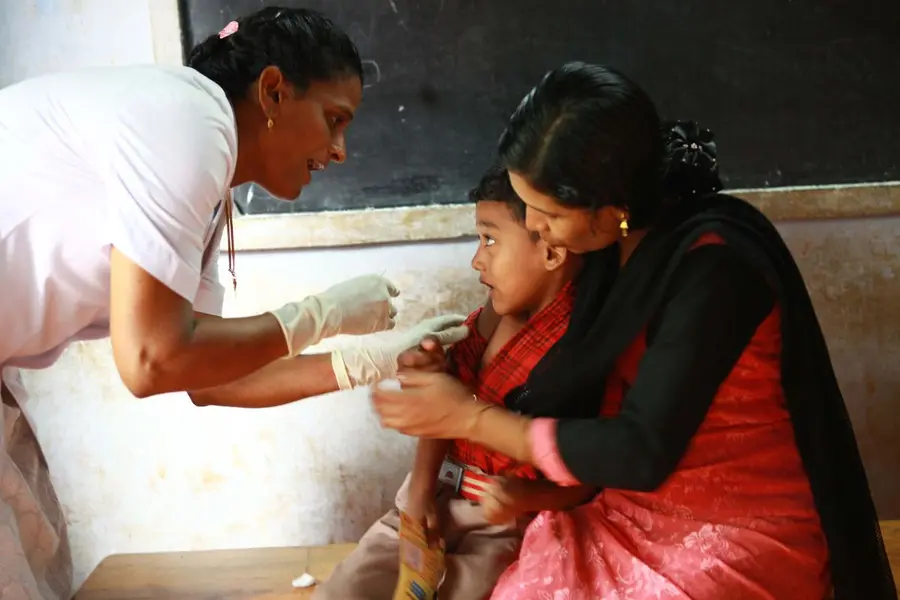
Bangladesh is witnessing a worrying resurgence of measles, with official data indicating that at least 98 children may have died from the highly contagious disease in the past three weeks.
The crisis has primarily impacted children aged between six months and five years, with suspected cases soaring to 6,476, according to the Ministry of Health and Family Welfare.
Authorities have confirmed 826 measles cases and 16 deaths so far, but experts caution that the actual toll could be significantly higher due to limited testing and delays in diagnosis.
Many children reportedly succumb to complications before laboratory confirmation, highlighting gaps in surveillance and healthcare access.
The outbreak has prompted urgent intervention from the government. Prime Minister Tarique Rahman has directed senior ministers to assess the scale of the crisis nationwide, while vaccination drives have been intensified in high-risk zones, particularly in Dhaka.
Health officials have already identified 30 severely affected areas where emergency immunisation campaigns are underway.
Public health experts attribute the outbreak to multiple factors, including vaccine shortages, delayed immunisation drives, and systemic lapses.
A planned measles vaccination campaign in June 2024 was disrupted by political unrest, which significantly affected healthcare delivery systems. Additionally, procurement failures have worsened the situation despite allocated funds, according to experts.
Measles, flagged by the World Health Organization as one of the most contagious viral diseases, spreads through respiratory droplets and can lead to severe complications such as pneumonia, brain swelling, and even death.
Globally, the WHO estimates around 95,000 measles-related deaths annually, largely among unvaccinated children under five.
In Bangladesh, most children receive their first measles vaccine dose at nine months. However, officials noted that many recent infections have occurred in infants as young as six months, leaving a vulnerable gap in early immunity.
Experts stress that herd immunity has been compromised due to inconsistent vaccination coverage.
The government has pledged to expand immunisation efforts beyond the worst-hit areas in the coming weeks.
However, public health specialists warn that without rapid vaccine procurement and sustained outreach, the outbreak could escalate further.
“This is a stark reminder of how quickly vaccine-preventable diseases can return when immunisation systems weaken,” said health experts, urging immediate corrective action.
Published: 06 Apr 2026, 08:13 am IST
Related Topics
Disclaimer: Kindly avoid objectionable, derogatory, unlawful and lewd comments, while responding to reports. Such comments are punishable under cyber laws. Please keep away from personal attacks. The opinions expressed here are the personal opinions of readers and not that of Mathrubhumi.
