
After failed US-Iran talks in Islamabad, Pakistan’s role faces setbacks as Army Chief Asim Munir turns to Oman to revive stalled diplomacy.
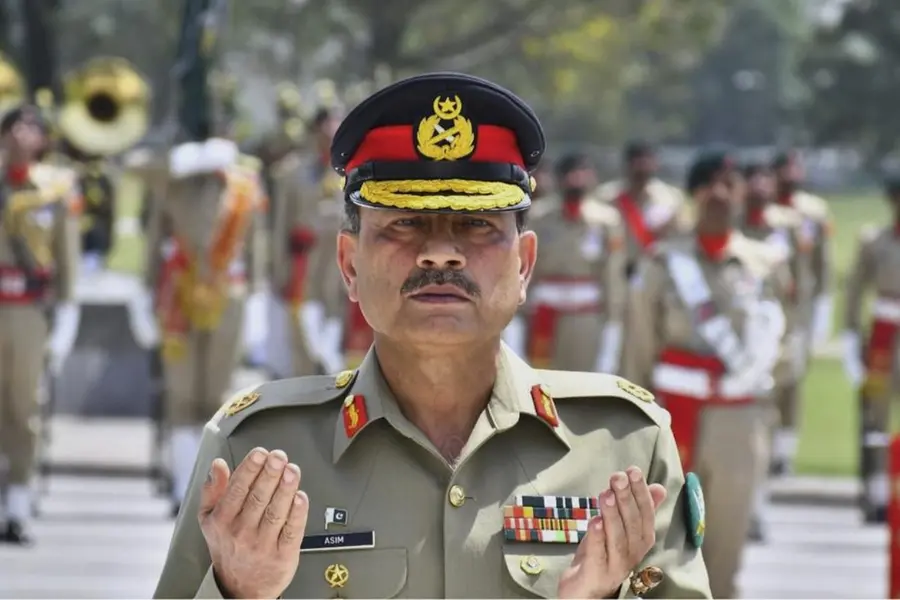
Pakistan’s role as a mediator in the stalled US-Iran dialogue is facing increasing scrutiny, with fresh developments indicating a sharp erosion of trust and influence. The collapse of the anticipated second round of talks in Islamabad has not only disrupted diplomatic momentum but also raised questions about whether Asim Munir is now scrambling to salvage the country’s fading relevance in the process.
The situation has also triggered frustration within Pakistan’s capital, which has been under near lockdown for days in anticipation of high-level foreign delegations that ultimately never materialised.
Talks collapse amid sudden diplomatic setback
The planned negotiations between the United States and Iran failed to take off after the abrupt departure of Iran’s foreign minister from Islamabad. The setback appears to have prompted immediate reactions from Washington.
“The anticipated second round of talks in the Pakistani capital failed to commence following the abrupt departure of the Iranian Foreign Minister from Islamabad. In response to the breakdown, US President Donald Trump reportedly directed his envoys, Steve Witkoff and Jared Kushner, to cancel their scheduled visit to Pakistan, signalling a total freeze in the current channel," a report in Athens-based Geopolitico detailed.
The cancellation of the US delegation’s visit signalled a significant breakdown in the diplomatic channel that Islamabad had been facilitating.
Public frustration grows in Islamabad
Back home, the fallout has been felt sharply by residents of Islamabad, where heightened security measures and restrictions had brought normal life to a halt.
Local commentators and citizens expressed resentment over the prolonged disruptions, questioning the cost of hosting talks that failed to even begin. Many pointed to the irony of the situation, noting that Pakistan appeared caught between two sides that neither fully trusted nor respected its role.
Trust deficit undermines Pakistan’s mediation role
At the heart of the collapse lies a deepening trust deficit, particularly from Tehran’s perspective. According to the report, Iran has grown increasingly sceptical of Pakistan’s ability to act as a neutral intermediary.
Citing diplomatic sources, the report noted that Iran's grievances include "suspicions that Islamabad has been conveying inaccurate or distorted messages between the two adversaries". It added that allegations have emerged that “Pakistan has been sharing the details of private, high-level discussions held with Iranian officials directly with the US government.”
Such concerns appear to have significantly weakened Islamabad’s credibility in the eyes of Iranian officials.
Iran prefers Oman as alternative mediator
The report further suggested that Iran now views Pakistan-hosted talks with suspicion, describing them as a possible “strategic ploy”.
It stated that Tehran believes Islamabad may be aiding Washington in orchestrating a “diplomatic drama” to buy time for American forces to "remobilise and reposition” in the region while Iran remains “distracted” by negotiations.
“As a result of this friction, Iran has signalled its preference for Oman, a nation with a long-standing history of successful mediation, as a more neutral and trustworthy venue. General Munir’s urgent trip to Muscat is seen as a desperate attempt to involve Omani officials in restarting the dialogue and perhaps restoring Pakistan’s fading relevance in the process,” the report noted.
Munir’s Muscat visit seen as damage control
Against this backdrop, General Munir’s visit to Muscat on April 25 is being viewed as a last-ditch effort to revive the stalled peace process. By seeking Oman’s involvement, Pakistan appears to be attempting to reinsert itself into a negotiation framework that is increasingly slipping out of its control. (IANS)
Published: 27 Apr 2026, 08:49 pm IST
Related Topics
Disclaimer: Kindly avoid objectionable, derogatory, unlawful and lewd comments, while responding to reports. Such comments are punishable under cyber laws. Please keep away from personal attacks. The opinions expressed here are the personal opinions of readers and not that of Mathrubhumi.
