
The dispute centers on contested territory and ancient temples, notably Preah Vihear, despite a 1962 ICJ ruling granting it to Cambodia
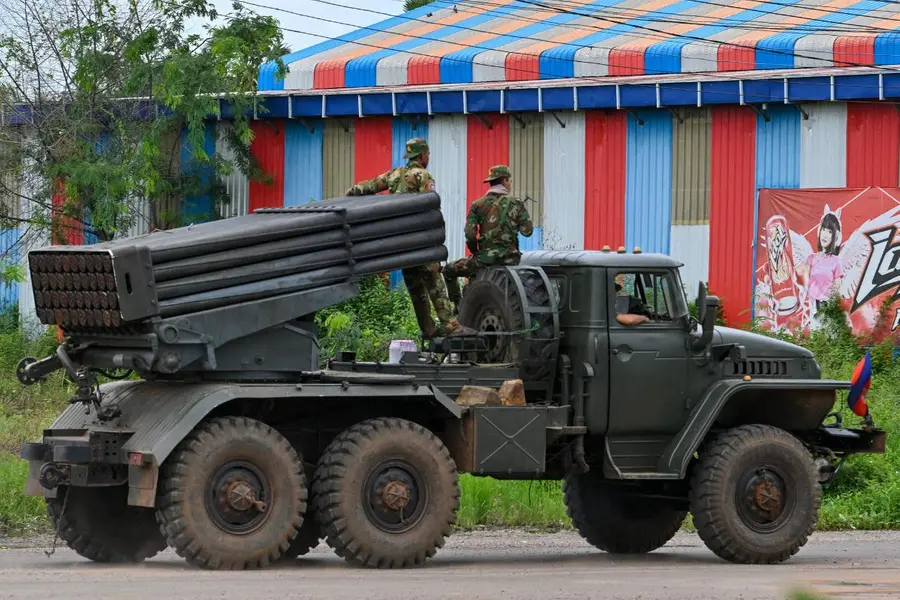
Kuala Lumpur: Leaders from Thailand and Cambodia are set to meet in Malaysia on Monday, July 28, 2025, in a crucial effort to de-escalate their deadly border conflict, even as both nations continue to accuse each other of renewed artillery strikes in contested territories. Al Jazeera reported that Thailand's acting Prime Minister Phumtham Wechayachai will lead Bangkok's delegation, with Cambodian Prime Minister Hun Manet also expected to participate in the negotiations.
Malaysia, currently chairing the Association of Southeast Asian Nations (ASEAN), has stepped in to mediate the crisis, which has tragically claimed over 30 lives in recent days, including civilians from both countries. The conflict worsened following intense exchanges of artillery fire along disputed sections of their 817 km shared border. Last week, Malaysian Prime Minister Anwar Ibrahim had already proposed a ceasefire and urged diplomatic resolution.
Despite initial hopes sparked by US President Donald Trump's calls to both leaders urging a ceasefire, hostilities tragically resumed just hours later. Cambodia publicly affirmed its support for Trump's appeal, while Thailand stated that peace talks could not proceed as long as Cambodian forces were allegedly targeting Thai civilians—a claim Phnom Penh vehemently rejected.
Cambodia's Ministry of National Defence accused Thailand of launching artillery and ground attacks near several border locations, including damage to historic temple sites due to shelling. Conversely, the Thai military alleged that Cambodian troops had fired into residential areas and were preparing long-range rocket launchers for further attacks.
The core of this long-standing border dispute revolves around sovereignty claims over ancient Hindu temples, particularly Ta Moan Thom and Preah Vihear. Although the International Court of Justice (ICJ) ruled in 1962 that Preah Vihear belongs to Cambodia, tensions flared again in 2008 when Cambodia sought UNESCO World Heritage status for the temple, leading to years of sporadic clashes.
With inputs from ANI
Published: 28 Jul 2025, 08:04 am IST
Related Topics
Disclaimer: Kindly avoid objectionable, derogatory, unlawful and lewd comments, while responding to reports. Such comments are punishable under cyber laws. Please keep away from personal attacks. The opinions expressed here are the personal opinions of readers and not that of Mathrubhumi.
