
Bangladesh has announced that its first general elections since the fall of the Sheikh Hasina-led government will be held on 12 February 2026, alongside a national referendum on key reforms
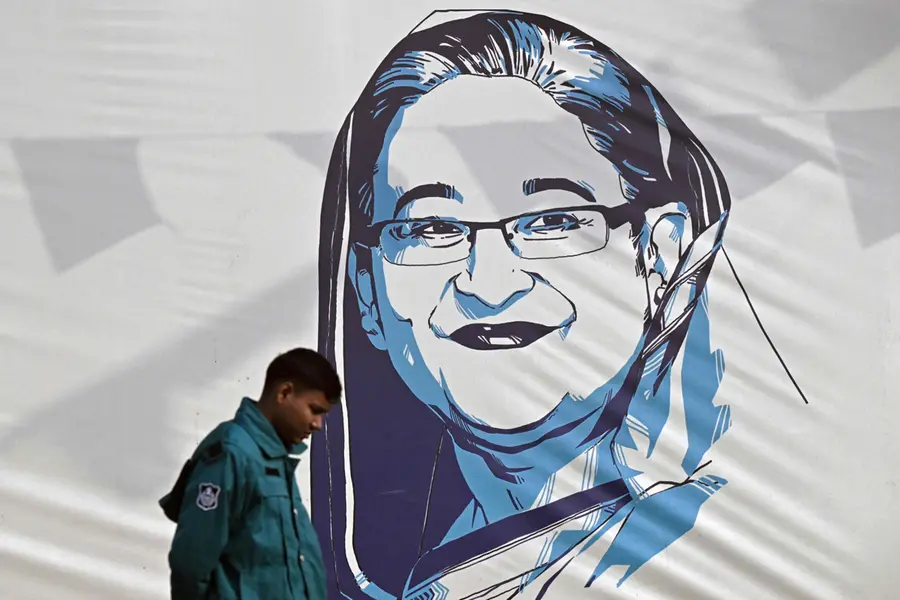
Dhaka: Bangladesh has confirmed that its next general elections will take place on 12 February 2026, marking the first national vote since the Sheikh Hasina-led Awami League government was removed following a violent student-led uprising in August 2024.
Chief Election Commissioner AMM Nasir Uddin announced the schedule in a national address, stating that voting will be held on 12 February from 7:30 am to 4:30 pm. A referendum will also be held on the same day to gather public opinion on a set of reform proposals introduced by the National Consensus Commission under Chief Adviser Muhammad Yunus.
The announcement followed a meeting between the CEC and President Mohammed Shahabuddin. The President assured the Commission of “optimum support and cooperation” to ensure that the general elections take place in a “free, fair and meaningful” manner.
What does the election schedule look like?
According to the election timetable, the last date to file nomination papers is 29 December. Scrutiny of nominations will take place between 30 December and 4 January. Candidates may withdraw their applications until 20 January, with the final list of contestants set to be published on 21 January.
Campaigning will begin on 22 January and will continue until 7:30 am on 10 February, Nasir stated.
What led to this election?
The previous general elections were held in January 2024, when Sheikh Hasina secured another term in polls overshadowed by boycotts and allegations of irregularities. Six months later, widespread demonstrations erupted against her government. Violent student-led protests forced Hasina to leave for India on 5 August 2024. Three days after her departure, Muhammad Yunus assumed charge as Chief Adviser of the interim government.
The interim administration has since dissolved the Awami League. Hasina, aged 78, has been convicted and sentenced to death and is currently living in India.
Who are the key contenders?
In Hasina’s absence, the Bangladesh Nationalist Party led by the critically ill former prime minister Khaleda Zia has emerged as the frontrunner. Its former ally Jamaat-e-Islami has also re-entered the political scene as a primary rival. Jamaat, which opposed Bangladesh’s independence in 1971 and was banned shortly before the fall of the previous government, has regained visibility and momentum under the leadership of Shafiqur Rahman, particularly after the student movement.
Both the BNP and Jamaat have already announced their candidates for the 300-seat parliament.
A new political force, the National Citizen Party, founded in February by Students Against Discrimination, has entered the fray as well. The NCP has formed an alliance called the ‘Gonotantrik Sangskar Jote’ with Amar Bangladesh party, an offshoot of Jamaat-e-Islami, and the Rashtra Songskar Andolon.
What lies ahead?
With the Awami League disbanded, alliances shifting and new entrants making their presence felt, Bangladesh’s upcoming elections are shaping into one of the most consequential political events in recent decades. The vote will not only determine the next government but also reflect how the country has navigated its turbulent two years of political upheaval.
PTI inputs
Published: 11 Dec 2025, 07:05 pm IST
Related Topics
Disclaimer: Kindly avoid objectionable, derogatory, unlawful and lewd comments, while responding to reports. Such comments are punishable under cyber laws. Please keep away from personal attacks. The opinions expressed here are the personal opinions of readers and not that of Mathrubhumi.
