
The two countries share a 2,611-kilometre (1,622-mile) border, known as the Durand Line
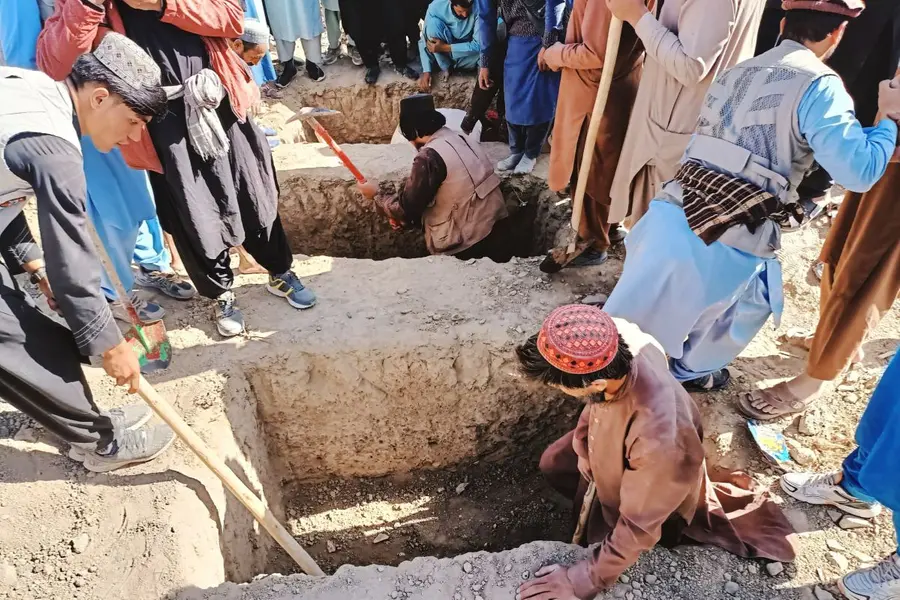
Doha/Islamabad/Kabul: High-level delegations from Afghanistan and Pakistan are travelling to Qatar’s capital, Doha, in a bid to defuse one of the deadliest border crises between the two neighbours in recent years. The talks come after over a week of cross-border violence that has left dozens dead and hundreds injured on both sides.
The Taliban government confirmed on Saturday that its delegation includes Afghanistan’s Defence Minister and the head of the national intelligence agency. Pakistan’s national broadcaster, PTV, reported that a Pakistani delegation was also due to depart for Doha on Saturday, though it provided no further details.
The escalating violence has prompted concern from regional powers, including Saudi Arabia and Qatar, who have both called for calm as the conflict threatens to destabilise a region already vulnerable to resurgent threats from militant groups such as the Islamic State and al-Qaeda.
Mutual Accusations, Ceasefire Breakdown
Each country blames the other for initiating hostilities. Islamabad accuses Kabul of harbouring militants responsible for attacks in Pakistani border regions—a claim the Taliban strongly denies.
A 48-hour ceasefire, aimed at halting the bloodshed, expired on Friday evening. Within hours, Pakistani airstrikes targeted areas inside eastern Afghanistan’s Paktika province.
According to Pakistan
According to Pakistani security officials, who spoke to The Associated Press on condition of anonymity, the strikes targeted hideouts of the Hafiz Gul Bahadur militant group. One official described the operation as a direct response to a deadly suicide bombing at a security forces compound in Mir Ali, located in Pakistan’s Khyber Pakhtunkhwa province, a day earlier.
The officials claimed the air raids killed dozens of armed fighters and resulted in no civilian casualties.
According to Afghanistan
However, Afghan authorities offered a starkly different account, stating that at least 10 civilians—including women and children—were killed in the strikes. The attacks prompted Afghanistan’s national cricket board to boycott an upcoming series in Pakistan, underscoring the growing diplomatic fallout.
Zabihullah Mujahid, chief spokesman for the Taliban government, condemned the strikes, accusing Pakistan of “repeated crimes” and violating Afghanistan’s sovereignty.
"Such acts are provocative and are deliberate attempts to prolong the conflict," he added in a strongly worded statement.
Longstanding Tensions Over the Durand Line
The two countries share a 2,611-kilometre (1,622-mile) border, known as the Durand Line. Afghanistan has historically refused to recognise the line as an international border, a longstanding source of friction in bilateral ties.
Pakistan continues to face a surge in militant activity, particularly in its north-western tribal regions adjacent to Afghanistan. Authorities in Islamabad also allege, without presenting evidence, that India is supporting armed groups operating inside Pakistan—a claim New Delhi has consistently denied.
Pakistan’s Army Chief Issues Warning
Pakistan’s army chief, General Asim Munir, issued a firm message to the Afghan authorities during an address on Saturday at the Pakistan Military Academy in Kakul, Khyber Pakhtunkhwa.
"The Taliban must rein in the proxies who have sanctuaries in Afghanistan," he said.
He also called on Afghanistan to embrace cooperation: "Afghans must choose mutual security over perpetual violence and progress over hardline obscurantism."
Published: 18 Oct 2025, 02:34 pm IST
Related Topics
Disclaimer: Kindly avoid objectionable, derogatory, unlawful and lewd comments, while responding to reports. Such comments are punishable under cyber laws. Please keep away from personal attacks. The opinions expressed here are the personal opinions of readers and not that of Mathrubhumi.
