
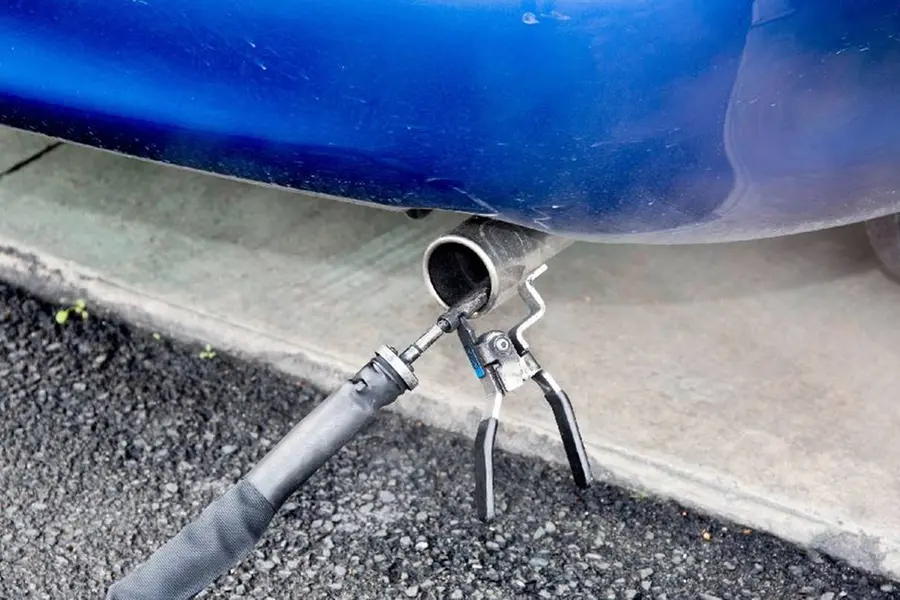
With smoke emission tests now fully integrated into the Parivahan system, the number of vehicles passing the initial test has significantly decreased. The increased accuracy of the testing has led to more vehicles failing the emission checks. Vehicle owners are now required to rectify technical issues and resubmit their vehicles for testing to pass.
The inability to operate vehicles without passing the smoke test has become a major concern for owners. According to officials from the Vehicle Emission Testing Owners Association, vehicles with carburetors, particularly older two-wheelers, face the most difficulties.
The issue is more prevalent among vehicles that are not serviced regularly. Officials highlighted that even 50-year-old motorcycles successfully pass the tests, attributing this to proper maintenance. Problems with air filters, spark plugs, and general wear and tear are common reasons for failure, they added.
Vehicles that fail the initial test are brought to service centers, where issues like clogged carburetors and other technical faults are resolved before resubmission. Smoke testing went online in 2021, but stricter regulations mandating testing via Parivahan were enforced only in 2024. Before these regulations, nearly 90% of vehicles at any given testing center would pass the emission test.
However, irregularities, such as vehicles passing without even being presented for testing, were rampant. With stricter rules in place, only 75% of vehicles now pass on their first attempt. The threat of action against non-compliant testing centers has also contributed to more accurate testing.
Published: 13 Dec 2024, 09:55 am IST
Related Topics
Disclaimer: Kindly avoid objectionable, derogatory, unlawful and lewd comments, while responding to reports. Such comments are punishable under cyber laws. Please keep away from personal attacks. The opinions expressed here are the personal opinions of readers and not that of Mathrubhumi.
