
Stricter visa rules and a global job crunch are forcing 30,000 Malayali students home, triggering a massive debt and mental health crisis in Kerala.
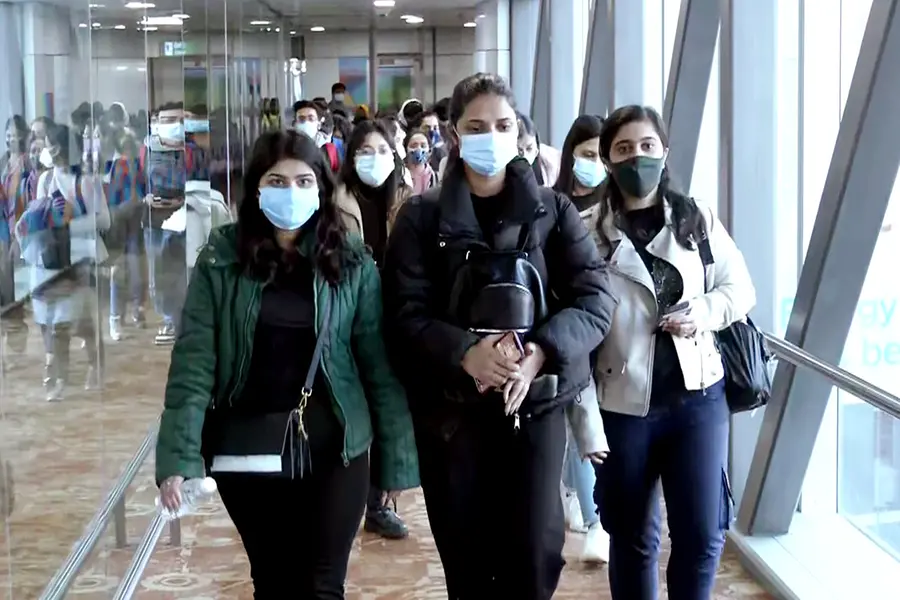
Thousands of Malayali students who moved abroad in search of a better life are facing a harsh reality. Tightening immigration laws and a global job shortage are shattering dreams, leaving families under immense pressure.
According to a shocking new report by the Catholic Congress Global Youth Council, nearly 30,000 Malayali students will be forced to pack their bags and return home in the coming years. With the 2023 Kerala Migration Survey showing 2.5 lakh students currently studying abroad, a massive wave of reverse migration is expected to peak around 2027 as student visas expire.
Why is this happening?
The dream of settling abroad has hit a wall due to two major global shifts.
- Stricter Visa rules: Popular destinations like the UK, Canada, Australia and the US have heavily tightened their immigration policies.
- The job crunch: A global economic slowdown means fewer companies are willing to sponsor work visas. Once their post-study 'stay-back' periods end, students are left stranded without jobs.
While a small fraction (around 1%) might try to pivot by relocating to the Gulf or other Indian states, the vast majority face a forced journey home.
The human cost: Debt and mental distress
This is not just a migration issue; it is a financial and psychological disaster for families in Kerala.
- Crushing debt: Most students moved abroad using education loans ranging from ₹15 lakh to ₹45 lakh.
- Financial burden: Returning without a foreign salary means families face immediate financial distress and the terrifying prospect of property foreclosure by banks.
- Desperation and trauma: The shame and stress of 'failure' are triggering severe depression and mental health crises among the youth. The situation has become so desperate that some students are risking millions on illegal visas or sham marriages just to stay abroad, while others are too traumatised to even speak about their ordeal, the report says.
The way forward: What the government must do
Experts and community leaders agree that blind migration for social prestige must stop, and students need better awareness before moving. In the meantime, there are urgent demands for the Kerala Government to step in with a rescue plan:
Four key recommendations for intervention
1. Financial relief: Introduce a loan repayment holiday (moratorium) and interest subsidies to stop banks from seizing homes.
2. Mental health support: Set up free, dedicated psychological counselling and helplines for returning students.
3. Job integration: Launch a "Skill Mapping" database to funnel the global academic talent of these returnees into Kerala’s IT parks and booming startup ecosystem.
4. Diplomatic action: Work with the Central Government to negotiate better post-study work visa terms with foreign nations.
Published: 21 May 2026, 05:19 pm IST
Related Topics
Disclaimer: Kindly avoid objectionable, derogatory, unlawful and lewd comments, while responding to reports. Such comments are punishable under cyber laws. Please keep away from personal attacks. The opinions expressed here are the personal opinions of readers and not that of Mathrubhumi.
