
Gold prices are expected to remain range-bound during the second half of 2026
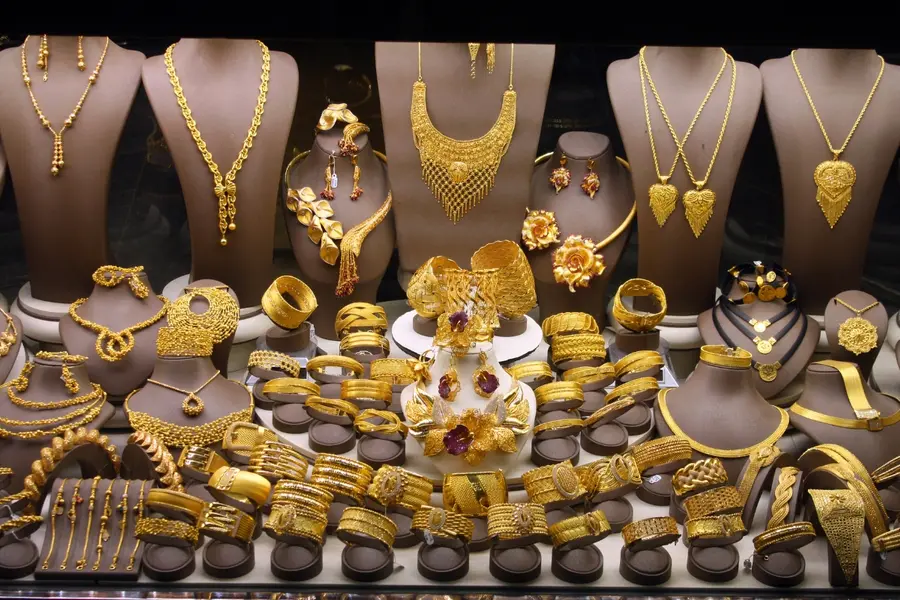
Gold prices in India's retail market declined marginally on Monday, July 6, with rates easing across major cities amid expectations of a sustained global economic recovery and optimism over a hopeful end to the conflict in the Middle East. The decline was seen across 24-carat, 22-carat and 18-carat gold, while silver prices also edged lower in the domestic bullion market.
Gold rates today across Indian cities
Also Read

In Chennai, 24-carat gold was priced at ₹14,793 per gram, while 22-carat gold stood at ₹13,560 and 18-carat gold at ₹11,300.
In Mumbai, 24-carat gold was selling at ₹14,662 per gram, with 22-carat gold at ₹13,440 and 18-carat gold at ₹10,997.
In Delhi, the price of 24-carat gold was ₹14,677 per gram, while 22-carat gold was ₹13,455 and 18-carat gold was ₹11,012.
In Kolkata, 24-carat gold was priced at ₹14,662 per gram, while 22-carat gold was ₹13,440 and 18-carat gold was ₹10,997.
In Bengaluru, 24-carat gold was available at ₹14,662 per gram, with 22-carat gold at ₹13,440 and 18-carat gold at ₹10,997.
In Hyderabad, 24-carat gold was selling at ₹14,662 per gram, while 22-carat gold stood at ₹13,440 and 18-carat gold at ₹10,997.
In Kerala, the price of 24-carat gold was ₹14,662 per gram, while 22-carat gold was ₹13,440 and 18-carat gold was ₹10,997.
In Pune, 24-carat gold was priced at ₹14,662 per gram, with 22-carat gold at ₹13,440 and 18-carat gold at ₹10,997.
In Vadodara, 24-carat gold was selling at ₹14,667 per gram, while 22-carat gold was ₹13,445 and 18-carat gold was ₹11,002.
In Ahmedabad, 24-carat gold was priced at ₹14,667 per gram, while 22-carat gold stood at ₹13,445 and 18-carat gold at ₹11,002.
The benchmark retail rate for 24-carat gold was ₹14,662 per gram, down ₹11 from the previous session. The price of 22-carat gold stood at ₹13,440 per gram, down ₹10, while 18-carat gold was priced at ₹10,997 per gram, down ₹8.
For those buying eight grams, 24-carat gold cost ₹1,17,296 after a decline of ₹88. The price of 22-carat gold was ₹1,07,520, down ₹80, while 18-carat gold was priced at ₹87,976, down ₹64.
MCX gold today
In the futures market, MCX gold was trading 0.01 per cent lower at ₹147,830 per 10 grams at around 9:13 am.
The bullion market has been tracking expectations that the US Federal Reserve could ease its aggressive interest-rate stance in the coming months, alongside developments in the global economy and geopolitical situation.
What physical gold buyers and MCX investors should know
Gold prices are expected to remain range-bound during the second half of 2026 while retaining upside potential if economic or geopolitical risks increase, according to the World Gold Council's Gold Mid-Year Outlook 2026, published in July.
The Council said that under current macroeconomic conditions, gold could trade within plus or minus 5 per cent around US$4,100 an ounce during the second half of the year. Its scenario analysis said prices could move towards US$4,500 an ounce if economic or geopolitical conditions worsen. It added that only a strong and sustained set of supportive factors could push gold towards US$5,000 an ounce.
According to the report, three developments could support higher prices: worsening economic or geopolitical conditions, a reversal in interest-rate expectations and increased participation by long-term investors. It also said financial market volatility and geopolitical risks have historically supported gold, while a shift towards more dovish expectations for US Federal Reserve policy could also benefit the metal.
The report forecasts global economic growth of 2.9 per cent in 2026, with US growth at 2.1 per cent. It expects US inflation to peak near 3.9 per cent in the second quarter before easing, while global inflation is projected to average 4.3 per cent for the year.
The World Gold Council said central banks have purchased an average of 1,000 tonnes of gold each year since 2022. It estimated that an additional 20 to 30 tonnes of reserves above the long-term average of around 600 tonnes a year could translate into roughly a 1 per cent increase in gold prices.
The report described India as the world's second-largest gold market with annual net demand of around 800 tonnes. It noted that the country's import duty on gold was increased from 6 per cent to 15 per cent in early April and estimated that the higher duty alone could reduce jewellery, bar and coin demand by 50 to 60 tonnes, or around 10 per cent year on year.
The Council identified a stronger US dollar, interest rates rising beyond expectations and a broader risk-on market sentiment as downside risks for gold during the remainder of 2026. It also said that if prices decline by 10 to 15 per cent from current levels, further downside could be limited because lower prices have historically attracted buying.
Published: 06 Jul 2026, 10:13 am IST
Related Topics
Disclaimer: Kindly avoid objectionable, derogatory, unlawful and lewd comments, while responding to reports. Such comments are punishable under cyber laws. Please keep away from personal attacks. The opinions expressed here are the personal opinions of readers and not that of Mathrubhumi.