
RBI keeps the repo rate unchanged at 5.25% as inflation remains under control, announces liquidity measures and new customer protection frameworks.
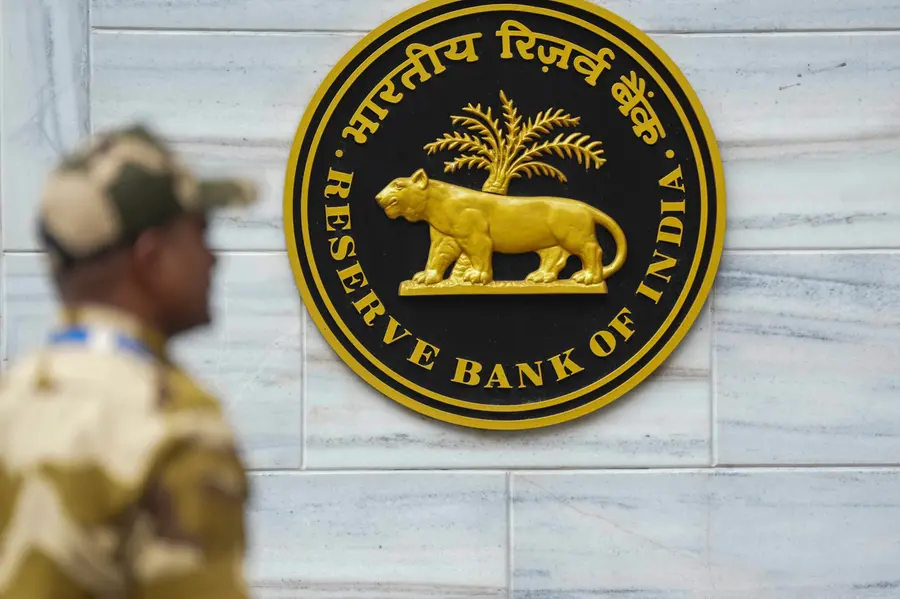
The Reserve Bank of India on Friday kept the repo rate unchanged at 5.25 per cent, signalling continuity in its monetary policy stance amid easing inflationary pressures and stable growth prospects.
Announcing the decision after the Monetary Policy Committee meeting, Sanjay Malhotra said headline inflation remains on a downward trajectory and is projected at 2.1 per cent for FY 2025–26. Core inflation, excluding food and fuel, remained stable at around 2.6 per cent, while recent firmness in CPI was largely driven by a moderation in food deflation.
Also Read

The RBI noted that the global economy showed “remarkable resilience” in 2025, supported by trade front-loading, fiscal stimulus, and accommodative monetary policy, even as geopolitical risks and market volatility persist. Domestically, food supply prospects remain strong on the back of healthy kharif output, adequate buffer stocks, and favourable rabi sowing conditions.
On liquidity, the central bank said systemic liquidity has remained in surplus, averaging ₹70,000 crore since the December 2025 MPC meeting and rising to nearly ₹2 lakh crore in February.
Also read: RBI recruitment alert: Office attendant applications invited
The RBI undertook multiple durable liquidity-augmenting measures during December, January, and February to support orderly market conditions.
The central bank also announced key regulatory and consumer protection initiatives. These include a proposed framework to compensate customers up to ₹25,000 for losses from small-value fraudulent transactions, draft guidelines on mis-selling, recovery practices, and limiting customer liability in unauthorised digital banking transactions.
Additionally, RBI plans to issue a regulatory framework for derivatives on corporate bonds and total return swaps, in line with the Union Budget 2026–27 announcement.
Welcoming the rate pause, real estate industry leaders said stable interest rates would sustain housing demand and buyer confidence, while expressing hope for rate cuts later in the year to further improve affordability.
Published: 06 Feb 2026, 10:49 am IST
Related Topics
Disclaimer: Kindly avoid objectionable, derogatory, unlawful and lewd comments, while responding to reports. Such comments are punishable under cyber laws. Please keep away from personal attacks. The opinions expressed here are the personal opinions of readers and not that of Mathrubhumi.