
RBI announces a 25 basis points repo rate cut to 5.25%, stimulating Indian economic growth. Discover how this impacts borrowing costs and boosts investment. Click to learn more!
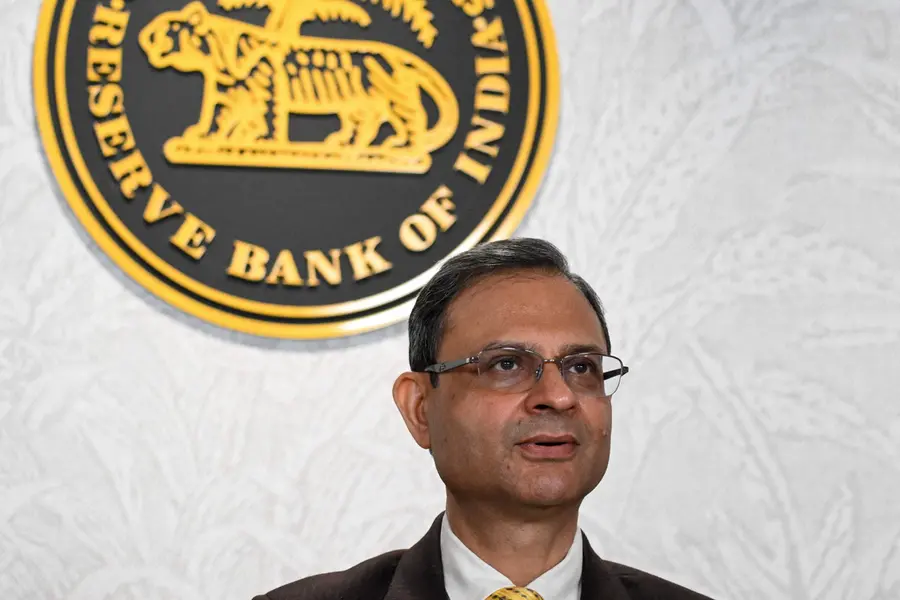
New Delhi: The Reserve Bank of India (RBI) on Friday announced a 25 basis points reduction in the policy repo rate, bringing it down to 5.25% with immediate effect. The decision was made after the conclusion of the three-day Monetary Policy Committee (MPC) meeting held from December 3 to 5.
RBI Governor Sanjay Malhotra said the MPC conducted a “detailed assessment of evolving macroeconomic conditions and outlook” before unanimously deciding on the rate cut. He added,
“The MPC met on the 3rd, 4th, and 5th of December to deliberate and decide on the policy repo rate. After a detailed assessment of the evolving macroeconomic conditions and outlook, the MPC voted unanimously to reduce the policy repo rate by 25 basis points to 5.25 per cent, with immediate effect.”
Why the rate cut was announced?
The cut comes after strong GDP growth of 8.2% in the second quarter and record-low retail inflation of 0.25% in October 2025, according to the Ministry of Statistics and Programme Implementation (MoSPI). This marks a shift from the October 1 MPC review, when the repo rate was maintained at 5.5%.
The rate reduction aims to support liquidity in the economy and maintain growth momentum while inflation remains low.
How does this benefit people
The repo rate cut is designed to make borrowing cheaper, encourage spending, and strengthen economic growth, benefiting both individuals and businesses.
Lower inflation and higher growth, announces key rate and liquidity measures
The Reserve Bank of India (RBI) has projected softer retail inflation and stronger economic growth for the current financial year, providing relief for borrowers and households.
RBI Governor Sanjay Malhotra said consumer price index (CPI) inflation, or retail inflation, is expected at 2% for FY2025-26, lower than earlier estimates. At the same time, the central bank raised its GDP growth forecast for the year to 7.3% from 6.8%, with the current quarter (Q3, October-December) now projected at 6.7%, up from 6.4%.
Other key RBI decisions that affect you
Standing Deposit Facility (SDF) at 5% and Marginal Standing Facility (MSF) at 5.5% to manage liquidity in the banking system.
Open Market Operations (OMO) worth ₹1 lakh crore: The RBI will buy government bonds to inject more money into the system, making loans easier to obtain and supporting economic activity.
Published: 05 Dec 2025, 10:16 am IST
Related Topics
Disclaimer: Kindly avoid objectionable, derogatory, unlawful and lewd comments, while responding to reports. Such comments are punishable under cyber laws. Please keep away from personal attacks. The opinions expressed here are the personal opinions of readers and not that of Mathrubhumi.
