
RBI proposes stricter loan recovery rules to curb harassment by banks and agents. Draft norms open for feedback until March 6; rules from July 1, 2026.
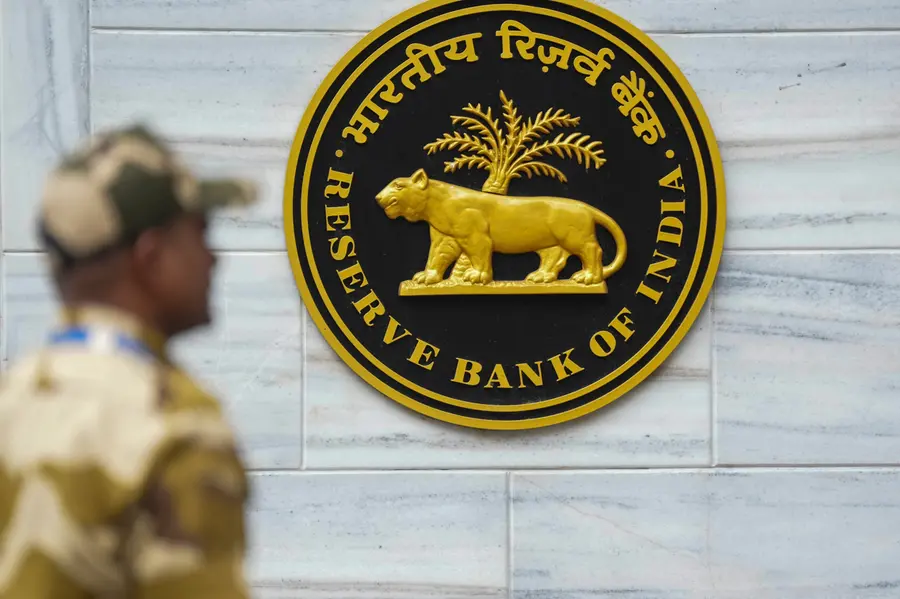
New Delhi: The Reserve Bank of India (RBI) has proposed sweeping reforms to tighten loan recovery rules and curb harassment by banks and recovery agents, strengthening borrower protection and transparency in the banking system.
The central bank has issued draft RBI (Commercial Banks – Responsible Business Conduct) Second Amendment Directions, 2026, aimed at ensuring fair treatment during loan recovery. The move follows Finance Minister Nirmala Sitharaman’s announcement in the Union Budget 2026 that reforms would be introduced to prevent coercive recovery practices.
The draft guidelines are open for public feedback until March 6, 2026. Once approved and notified, the new RBI loan recovery rules will come into force from July 1, 2026. Similar draft norms have also been issued for small finance banks, NBFCs, urban co-operative banks and regional rural banks.
Key reforms proposed in the RBI’s new loan recovery rules
The draft directions propose:
- Mandatory recovery policy for banks
- Stricter norms for hiring recovery agents
- Greater transparency for borrowers
- Fair treatment during recovery
- Clear repossession rules
- Monitoring of recovery agents
- Mandatory code of conduct
- Explicit ban on harassment
- Strong grievance redressal system
- Compliance oversight mechanisms
How banks must ensure fair treatment of borrowers
Under the proposed RBI guidelines, banks must:
- Identify borrowers facing repayment difficulties and provide guidance.
- Limit disclosure of borrower information to recovery staff strictly on a need-to-know basis.
- Publish the list of empanelled recovery agents on branches, apps and websites.
- Inform borrowers before assigning a recovery agent.
- Obtain written undertakings from agents to follow the bank’s code of conduct.
- Pause recovery action if a grievance is under review, unless complaints are proven frivolous.
- Record all recovery calls, including time, frequency and content, with prior intimation to borrowers.
- Ensure incentive structures do not encourage harsh recovery practices.
- Issue a written notice before initiating legal action or repossessing assets. Legal action cannot be the first resort.
Do’s and don’ts for recovery agents
The RBI has laid down strict conduct standards for recovery agents:
Recovery agents must:
- Respect borrower privacy and interact only with the borrower or guarantor.
- Contact borrowers only between 8 am and 7 pm.
- Honour requests to avoid calls at specific times in normal circumstances.
- Visit only authorised locations chosen by the borrower.
- Avoid visits during bereavement, festivals, marriage functions or calamities.
- Maintain civil behaviour and professional decorum.
- Issue proper receipts for payments collected.
- Obtain bank approval for written communication.
In microfinance loans, recovery must occur at a mutually agreed-upon designated location unless the borrower fails to appear twice consecutively.
Banned recovery practices
The RBI has clearly prohibited coercive or abusive recovery methods. The following will be treated as harsh and unacceptable practices:
- Use of threatening or abusive language
- Sending inappropriate messages via phone or social media
- Excessive calls or calls outside permitted hours
- Anonymous or intimidating calls
- Harassing relatives, friends or co-workers
- Public humiliation or invasion of privacy
- Threats or use of violence
- Misleading borrowers about debt amounts or legal consequences
The RBI said banks will be held accountable for the conduct of their employees and recovery agents.
The proposed RBI loan recovery reforms are expected to strengthen borrower rights, improve banking transparency and curb harassment in debt recovery across India’s financial system.
Published: 14 Feb 2026, 08:26 am IST
Related Topics
Disclaimer: Kindly avoid objectionable, derogatory, unlawful and lewd comments, while responding to reports. Such comments are punishable under cyber laws. Please keep away from personal attacks. The opinions expressed here are the personal opinions of readers and not that of Mathrubhumi.
