
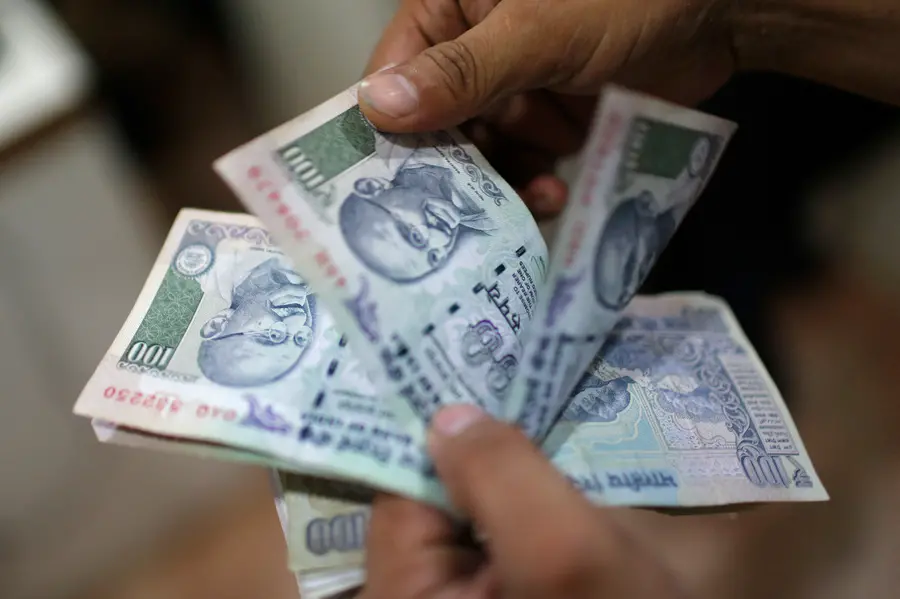
A recent report by cultural strategy firm Folk Frequency shows that India’s middle class is growing fast and will make up more than half of the country’s population by 2030. This new middle class is shifting away from spending only on basic needs and is now looking for better experiences — like eating out or enjoying premium services.
The study reveals that demand for experiences is increasing quickly. Casual dining is up by 49 percent, and fine dining is seeing a 55 percent jump. This reflects the rise of a new middle class that’s breaking away from generations of poverty. Many of them are the first in their families to get a formal education and secure jobs outside of informal or domestic work.
Digital ads missing the real audience
The report also highlights how more than half of India’s internet users live in rural or tier-2 and smaller cities. However, digital advertising and online content are still mostly aimed at metro cities and English-speaking users. Because AI tools don’t work well with regional languages, many ads miss the actual people who are ready to spend. This leads to a big gap between who sees the ads and who they’re meant for.
Education changing the game
India’s education system is going through big changes thanks to the National Education Policy (NEP) 2020. One of its major goals is to increase the number of students in higher education to 50 percent by 2035 — up from just 26.3 percent in 2018.
Alongside this, the country’s literacy rate has been improving. As a result, extreme poverty has fallen — from 22.5 percent in 2011 to 10.2 percent in 2019. With better literacy, people are not only earning more but are also becoming smarter about money. Today’s consumers want brands they can trust, clear product information, and better quality and service.
Women driving the economy
The report also puts the spotlight on Indian women as a rising economic force. More than 50 percent of India’s medical students are women, and 14 percent of businesses are now run by women. In luxury markets like single malt whisky, women account for 64 percent of the growth. The report says that brands that design products specially for women — rather than just adjusting existing ones — will do better. Products that match women’s style, comfort, and preferences will be more successful.
Young Indians are changing culture and expectations
According to the report, 93 percent of Indian Gen Z and Gen Alpha play a major role in deciding family travel plans. These younger generations want brands to reflect their values — like inclusion, fairness, and eco-friendliness.
Raised with social media and global exposure, many young Indians are questioning harmful or outdated cultural norms. They want to stand up for what they believe is right. This new attitude is leading to a culture where unethical behaviour by companies is not tolerated — people call out and even boycott such brands.
Young people are also exploring Indian history with fresh eyes and connecting with international fan cultures. They are helping shape a society that is more focused on rights, fairness, and accountability.
Published: 09 Apr 2025, 10:52 pm IST
Related Topics
Disclaimer: Kindly avoid objectionable, derogatory, unlawful and lewd comments, while responding to reports. Such comments are punishable under cyber laws. Please keep away from personal attacks. The opinions expressed here are the personal opinions of readers and not that of Mathrubhumi.
