
India has already met its target of blending 20 per cent ethanol with petrol, a move designed to lower carbon emissions and reduce reliance on imported crude oil.
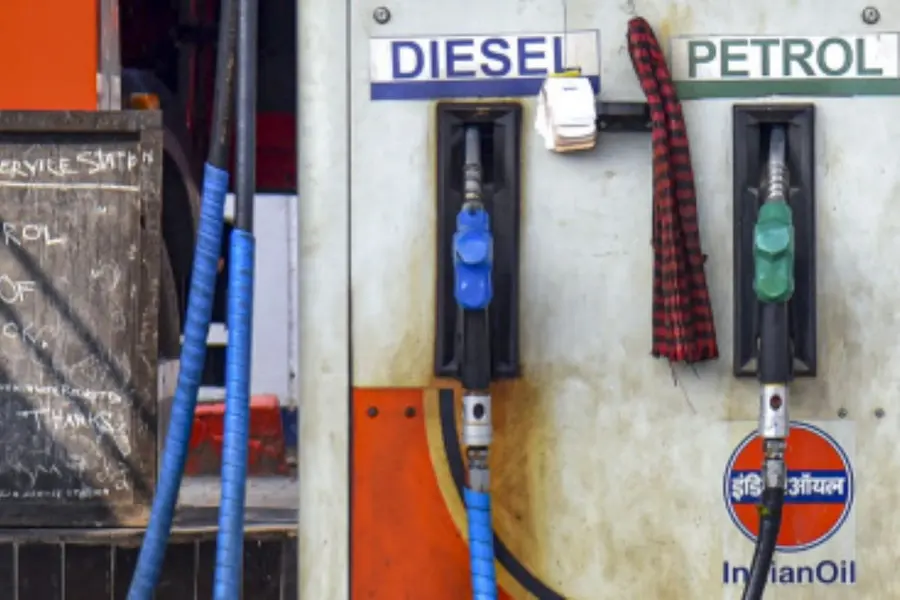
New Delhi: India is likely to introduce a mandate for blending isobutanol with diesel later this year as part of efforts to strengthen energy security and reduce carbon emissions in the transport sector, Ministry of Road Transport and Highways (MoRTH) Secretary V. Umashankar said on Friday.
Speaking at the CII Multimodal Transportation and Logistics Summit, Umashankar outlined a series of policy initiatives aimed at decarbonising the road transport sector, promoting alternative fuels, supporting electric mobility, and modernising highway infrastructure.
Diesel-Isobutanol Blending May Begin in 2026
The government is actively evaluating diesel blending with isobutanol, a biofuel that could significantly reduce India's dependence on imported fossil fuels.
"Blending of diesel has been looked into with great seriousness. Bharat Petroleum is already undertaking strategic research for isobutanol blending with diesel. And the results are very encouraging.
"It is quite likely that the blending mandate will start coming in somewhere later this year," he said.
According to Umashankar, diesel blending could have a greater impact on India's energy security than ethanol blending in petrol because diesel consumption remains substantially higher.
He noted that diesel consumption in India is nearly twice that of petrol, making any blending initiative in diesel more consequential in reducing crude oil imports and enhancing fuel sustainability.
Expansion of Ethanol-Based Fuel Programme
The transport ministry is also expanding India's ethanol fuel programme following the successful achievement of 20 per cent ethanol blending in petrol.
India has already met its target of blending 20 per cent ethanol with petrol, a move designed to lower carbon emissions and reduce reliance on imported crude oil.
The ministry has now issued draft notifications covering E85 and E100 vehicle manufacturing standards.
"There have been some concerns about blending at the lower level (E20), but here it is a little different because the vehicle is manufactured differently. It will have a separate (fuel) dispenser also at the petrol pumps for dispensing E85 or E100 fuel, unlike normally blended petrol, which is done through a common dispenser," Umashankar said.
The proposed amendments to vehicle emission regulations are expected to facilitate wider adoption of flex-fuel and biofuel-powered vehicles across all categories of transport.
Why is it useful
- No Phase Separation: Unlike ethanol, isobutanol does not easily separate from diesel when moisture or water is present.
- Lower Emissions: It contains oxygen, which helps diesel burn cleaner and reduces harmful particulate matter (soot).
- High Energy Density: It carries about 82% of the energy of pure gasoline, making it much more potent than ethanol.
- Less Corrosive: It is safer for standard pipelines and fuel tanks than highly corrosive ethanol.
- Reduces Oil Imports: It allows nations to replace a portion of expensive, imported crude oil with domestic biofuels.
The major drawbacks
- Lowers Cetane Number: Diesel requires a high cetane number to ignite under pressure. Isobutanol lowers this number, which can cause engine knocking and rough idling.
- Corrosion Risk: While less corrosive than ethanol, it can still degrade certain rubber seals and gaskets in older diesel engines over time.
- High Production Cost: Manufacturing isobutanol from biomass is currently much more expensive than producing standard ethanol or biodiesel.
Published: 01 Jun 2026, 08:32 pm IST
Related Topics
Disclaimer: Kindly avoid objectionable, derogatory, unlawful and lewd comments, while responding to reports. Such comments are punishable under cyber laws. Please keep away from personal attacks. The opinions expressed here are the personal opinions of readers and not that of Mathrubhumi.
