
India’s newly signed trade pact with Oman will allow duty-free access for a wide range of agricultural and processed food products, including rice, eggs, meat and cashew
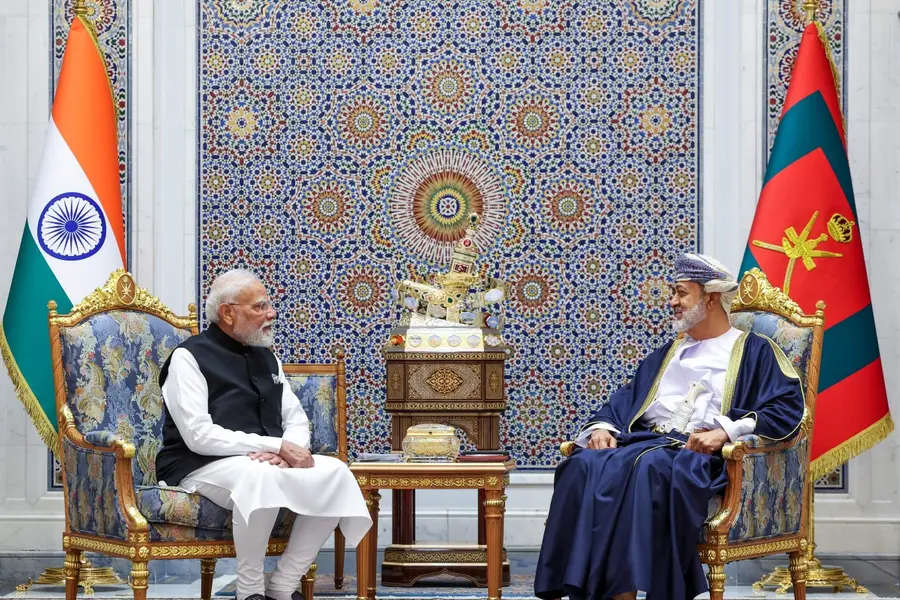
New Delhi: A wide range of India’s agricultural and processed food items, including natural honey, fresh eggs, cashew, potatoes, boneless meat and bakery products, will now enjoy duty-free access to Oman under the newly signed trade agreement, providing a significant boost to exports, officials said.
The Comprehensive Economic Partnership Agreement (CEPA), signed on Thursday in Muscat, will allow Oman to remove duties on several animal products, such as cheese, curd, milk and cream, frozen fish, butter, meat, yoghurt, and processed foods including bread, pastry, cakes, chocolate, sugar confectionery, and mineral water. The agreement also covers animal and vegetable fats and oils.
Which Indian exports benefit the most?
Officials highlighted that major Indian exports benefiting from the pact include basmati rice, parboiled rice, bananas, potatoes, onions, soybean meal, sweet biscuits, cashew kernels, mixed condiments, butter, fish body oil, prawn and shrimp feed, frozen boneless bovine meat, and fertilised eggs.
Zero-duty access for fresh eggs will strengthen India’s 98.3 per cent share in Omani egg imports, making Oman India’s largest export destination for this product and providing a clear price advantage over regional competitors, an official said.
Similarly, duty-free access for guargum will reinforce India’s dominant 93.6 per cent share in Oman’s USD 2.18 million guargum market, offering a competitive edge over China while placing India on par with the United States.
Currently, these Indian products attract duties ranging from 5 to 100 per cent in Oman.
How will consumers benefit?
Indian consumers are expected to gain from the agreement as well, with zero-duty access to 2,000 tonnes of dates from Oman every year. Additionally, India will provide concessions on Oman’s traditional products, Gum Arabica, used in food, medicine, and cosmetics, and Frankincense, used in the incense and perfume industry.
What is the economic impact?
Oman imported agricultural and processed food products worth USD 6 billion in 2024. “India and Oman CEPA is expected to have a significant positive impact on the Indian agricultural and processed food sector,” an official said.
Duty concessions are expected to bring Indian products on par with major agricultural exporters to Oman and other trade pact partners in the Gulf, such as the United States, Singapore, and the European Free Trade Association (EFTA) nations. The EFTA consists of Switzerland, Norway, Iceland, and Liechtenstein. India already has a trade pact with this bloc.
How big is India’s trade with Oman?
Oman imports animal products worth approximately USD 1.5 billion annually, with India’s shipments averaging around USD 71.74 million per year. Similarly, processed food imports are valued at about USD 1.3 billion, while India’s exports of these items amount to roughly USD 45.76 million annually. Animal and vegetable fats and oils, imported by Oman at USD 414 million, see Indian exports worth USD 10.26 million per year.
Oman’s agricultural imports have risen from USD 4.51 billion in 2020 to USD 5.97 billion in 2024. India held a 10.24 per cent share in Omani agricultural imports in 2024, ranking second among suppliers. Indian agricultural exports to Oman increased from USD 364.67 million to USD 556.34 million, achieving an 11.14 per cent compound annual growth rate.
PTI inputs
Published: 18 Dec 2025, 09:08 pm IST
Related Topics
Disclaimer: Kindly avoid objectionable, derogatory, unlawful and lewd comments, while responding to reports. Such comments are punishable under cyber laws. Please keep away from personal attacks. The opinions expressed here are the personal opinions of readers and not that of Mathrubhumi.
