
Railways’ ₹1,000 crore PRS revamp will enable 125,000 bookings per minute while targeting bots, agents, and system crashes.
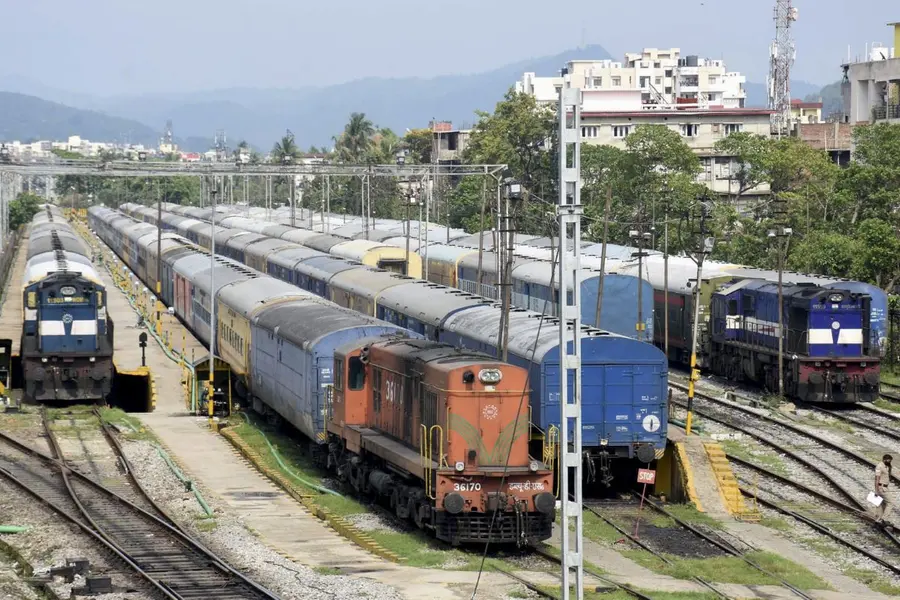
After years of frustration, failed transactions, and 8 AM booking chaos, Indian Railways is preparing a sweeping digital overhaul that could transform how the country books train tickets.
At the heart of this change is a ₹1,000 crore revamp of the Passenger Reservation System (PRS), designed to make ticket booking faster, fairer, and far more reliable.
For decades, passengers have complained about the sluggish and glitch-ridden interface of IRCTC, the platform that powers online railway ticketing. During peak hours, especially the Tatkal window, booking a ticket often felt like a gamble.
“At 8 am, it’s pure luck if the booking goes through,” says Avik Banerjee, a frequent traveller from Kolkata. His experience echoes that of millions who have watched tickets vanish within seconds due to server crashes and delays.
That may soon change. The upgraded system, being developed by the Centre for Railway Information Systems (CRIS), will increase booking capacity fivefold, from 25,000 to 125,000 tickets per minute.
Currently in advanced testing, the new platform is expected to go live between April and June. However, speed is only part of the story.
The overhaul aims to rebuild the entire digital backbone of Indian Railways, which serves nearly 23 million passengers daily.
Officials say the new architecture will be more scalable, stable, and resistant to misuse, key to addressing long-standing loopholes that allowed agents and bots to dominate bookings.
One of the biggest challenges has been the rise of automated booking tools such as “Gadar,” “SpaceX,” and “Avenger.”
These apps allegedly allowed agents to pre-fill passenger details and fire off multiple booking requests the instant reservations opened, effectively bypassing CAPTCHA and OTP checks. As a result, genuine users were often locked out before they could even complete basic inputs.
The scale of misuse has been staggering. Railway authorities found that Aadhaar-verified IRCTC user IDs were being sold for around ₹360 through dozens of Telegram and WhatsApp groups.
In extreme cases, entire networks of agents operated sophisticated systems to corner tickets within seconds.
At one point, nearly half of all login attempts in the first five minutes of Tatkal bookings were attributed to bots. In response, IRCTC blocked around 2.5 crore fake user IDs and introduced Aadhaar-linked authentication.
The new PRS aims to decisively curb such practices. With improved system design and stronger verification layers, officials believe the platform will create a level playing field for genuine passengers.
Technologically, the upgrade marks a major shift. The current PRS, running since 1985 on legacy Fortran-based software, is among the oldest and most heavily used ticketing systems globally.
The new system will move to open-source platforms, including enterprise Linux environments, allowing greater flexibility and eliminating dependence on a single vendor. This also enables horizontal scaling, meaning capacity can be expanded simply by adding more servers.
The overhaul goes beyond software. The Railways is upgrading routers, terminals, and network bandwidth across its tiered booking infrastructure, from central data centres to station counters.
Thousands of routers have already been replaced, and a majority of booking terminals have migrated to the new system.
Alongside this, a separate ₹200 crore upgrade of the Unreserved Ticketing System (UTS) is underway, while a ₹600 crore Railway Information Security Operations Centre (IR-SOC) is being built to protect the network from cyber threats.
Together, these initiatives signal one of the most ambitious digital transformations in Indian Railways’ history.
While eliminating waiting lists remains a longer-term goal, officials say this overhaul lays the foundation for a faster, more secure, and future-ready ticketing ecosystem, one that could finally end the daily scramble for seats.
Published: 18 Mar 2026, 09:03 am IST
Related Topics
Disclaimer: Kindly avoid objectionable, derogatory, unlawful and lewd comments, while responding to reports. Such comments are punishable under cyber laws. Please keep away from personal attacks. The opinions expressed here are the personal opinions of readers and not that of Mathrubhumi.
