
All two-wheeler makers would also benefit, with domestic players expected to gain more. However, such a move could impact GST collections by about USD 4-5 billion.
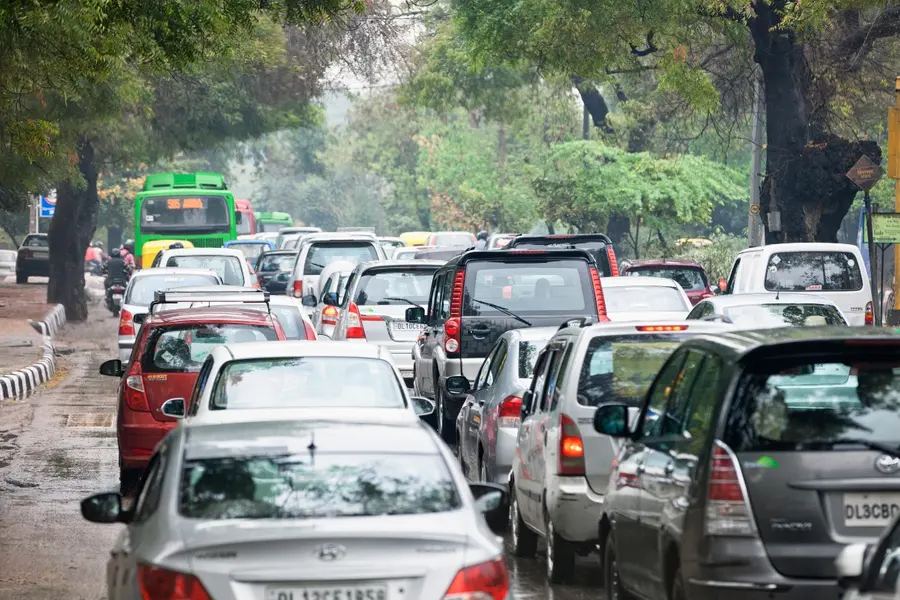
The prices of small cars in India could fall by about 8 per cent if the government reduces the Goods and Services Tax (GST) from 28 per cent to 18 per cent, according to a report by HSBC.
Currently, passenger vehicles attract GST between 29 per cent and 50 per cent, as a cess is added on top of the standard 28 per cent rate depending on the car’s size and length.
HSBC noted that the government may consider cutting tax on smaller cars to 18 per cent while introducing a “special rate” of 40 per cent for larger cars with the cess being scrapped. Under this change, bigger cars may become cheaper by 3-5 per cent.
The report stated: “This would mean for smaller cars prices may come down by 8 per cent and for bigger cars in the range of 3-5 per cent.”
All two-wheeler makers would also benefit, with domestic players expected to gain more. However, such a move could impact GST collections by about USD 4-5 billion.
Another possible scenario, though less likely, is a flat cut in GST from 28 per cent to 18 per cent across all categories of cars. In that case, cess would remain, but all cars would see a price benefit of about 6-8 per cent. This option could cause a revenue loss of around USD 5-6 billion.
Government plans for GST rationalisation
Government sources said the Centre is preparing sweeping reforms in GST on automobiles, currently in the highest bracket, to resolve disputes linked to engine capacity and vehicle size.
At present, cars are taxed at 28 per cent, with a compensation cess of 1 to 22 per cent. This takes the total tax incidence from 29 per cent on small petrol cars to 50 per cent on SUVs. Electric vehicles are taxed at just 5 per cent.
As part of the proposed two-tier GST rate system of 5 per cent and 18 per cent, along with a 40 per cent slab for select items, automobiles will be reassigned to end classification disputes.
A lower rate is expected to boost demand and affordability, thus lifting consumption, one of the Centre’s key objectives behind the reform.
Next steps in decision-making
The Centre’s proposal to remove the 12 per cent and 28 per cent slabs will be discussed by the Group of Ministers (GoM) on GST rate rationalisation on August 21. The GST Council, comprising the Centre and state finance ministers, is likely to meet next month to finalise the new structure.
At present, GST follows a four-slab system of 5, 12, 18 and 28 per cent. Essential items are taxed at nil or 5 per cent, while luxury and sin goods fall under the 28 per cent slab. The reform proposal aims to simplify this to two slabs – 5 and 18 per cent – with a 40 per cent rate reserved for a few goods.
Published: 19 Aug 2025, 09:35 am IST
Related Topics
Disclaimer: Kindly avoid objectionable, derogatory, unlawful and lewd comments, while responding to reports. Such comments are punishable under cyber laws. Please keep away from personal attacks. The opinions expressed here are the personal opinions of readers and not that of Mathrubhumi.
