
JPMorgan estimates the fiscal impact of the 8th Pay Commission to be around $42–44 billion (Rs 3.7–3.9 lakh crore)
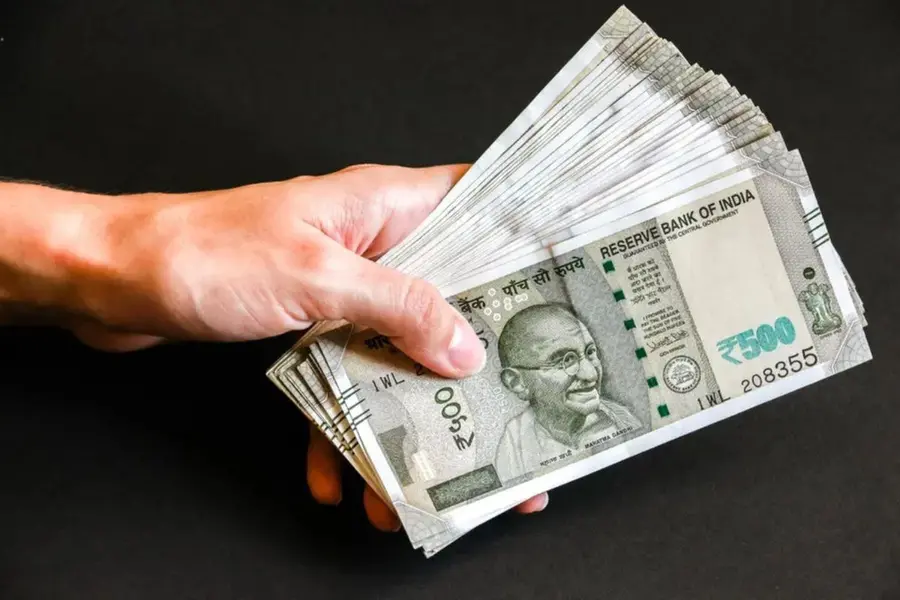
The much-anticipated 8th Pay Commission is expected to bring a significant hike in salaries and pensions for central government employees, and experts say it could also give a boost to India’s stock market.
According to a research note by JPMorgan dated November 26, the pay panel’s recommendations could accelerate consumer spending, which in turn may benefit businesses and attract institutional investors to Indian markets.
How it Works
The key driver of this potential spending surge is the fitment factor, a multiplier used to revise salaries. The higher the factor, the bigger the salary increase.
A higher fitment factor would mean more disposable income for over 1 crore central government employees and pensioners.
What is the fitment factor?
The fitment factor is a multiplier applied to an employee’s basic pay during a pay revision.
For example, if the fitment factor is 2.57, and your current basic pay is ₹30,000, the new basic pay after revision would be:
New Basic Pay=30,000×2.57=77,
New Basic Pay = 30,000 * 2.57 = 77,100
For comparison, the 6th Pay Commission in 2008 raised salaries by about 40%, fueling strong demand in vehicles, housing, and real estate.
The 7th Pay Commission in 2016, by contrast, led to a smaller 23–25% hike, offering only a moderate boost to everyday spending, despite a higher fitment factor of 2.57. This was because the dearness allowance (DA) was reset to zero, reducing the overall impact.
Currently, the DA stands at 58% and is expected to cross 65% by the time the 8th Pay Commission comes into effect. Since the DA will be lower than in 2016, even a moderate fitment factor could lead to a sharp real-wage increase for employees.
Expected Economic Impact
JPMorgan estimates the fiscal impact of the 8th Pay Commission to be around $42–44 billion (Rs 3.7–3.9 lakh crore), far higher than the Rs 1.02 lakh crore cost of the 7th Pay Commission.
This increase in government spending is likely to stimulate demand in sectors such as:
- Automobiles
- Consumer durables
- Mid- and low-income housing
The boost may be particularly strong in Tier II and III cities, where a large proportion of government employees live.
Next Steps
The 8th Pay Commission, headed by retired Justice Ranjana Desai, will consult various stakeholders over the coming months before submitting its report to the government. The panel has been given 18 months to finalize its recommendations, including the fitment factor and other modalities for salary revision.
In short, the 8th Pay Commission isn’t just about better pay for employees—it could ripple across the economy, driving consumption, boosting company profits, and potentially lifting the stock market.
Published: 28 Nov 2025, 12:17 pm IST
Disclaimer: Kindly avoid objectionable, derogatory, unlawful and lewd comments, while responding to reports. Such comments are punishable under cyber laws. Please keep away from personal attacks. The opinions expressed here are the personal opinions of readers and not that of Mathrubhumi.
