
EPFO launches its WhatsApp Channel as an AI chatbot is set to offer PF balance, last 5 transactions and claim status to members soon.
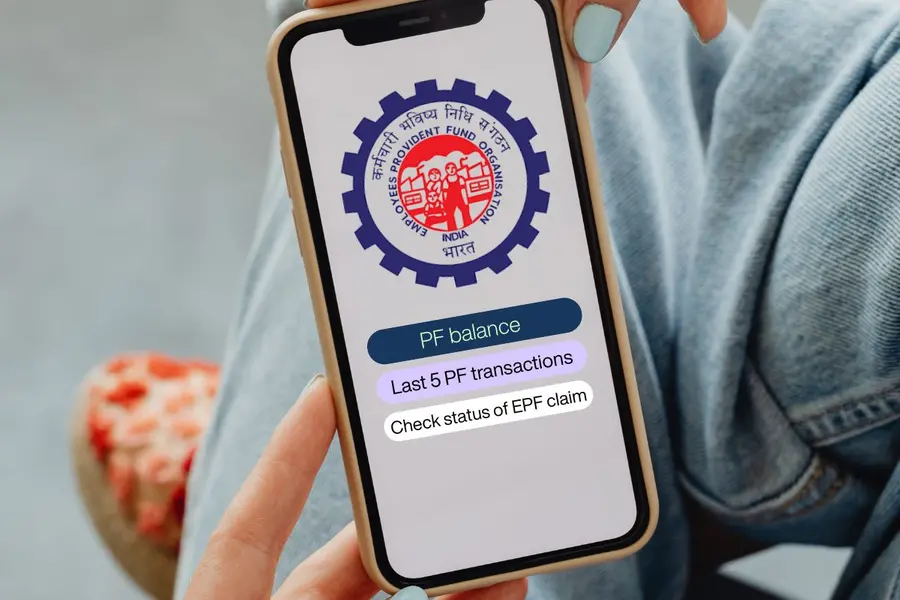
The Employees’ Provident Fund Organisation (EPFO) has expanded its presence on WhatsApp with the launch of its official WhatsApp Channel, while an AI-powered chatbot is also set to make key PF-related information easier to access.
The upcoming WhatsApp chatbot is expected to allow EPFO members to check their PF balance, last five transactions and claim status, among other basic account-related details.
EPFO WhatsApp Channel launched
EPFO has asked its members, pensioners and other stakeholders to follow its official WhatsApp Channel for important announcements and service-related updates.
Members can access the channel through the QR code or official link shared by EPFO.
The channel will serve as a direct way for members to receive updates from the organisation on WhatsApp.
EPFO AI chatbot to offer PF balance, claim status
Alongside the WhatsApp Channel, EPFO has earlier announced plans for a WhatsApp-based chatbot to handle routine member queries.
The proposed AI chatbot will allow users to access key PF details, including:
- PF account balance
- Last five PF transactions
- EPFO claim status
- Other basic PF-related information
To begin using the service, members would be able to send “Hello” to EPFO’s verified WhatsApp number. The system will first verify whether the mobile number is linked to the member’s UAN.
Once verified, users can select the required service and follow the prompts to receive the relevant information.
WhatsApp service to support regional languages
The proposed chatbot is also designed to support regional languages, making it easier for members to access PF-related information in a language they are comfortable with.
The service is expected to provide round-the-clock access, with requests processed through the chatbot or EPFO’s database.
For members, the move could make routine PF checks such as balance enquiries and claim-status tracking easier without having to repeatedly access the EPFO portal.
Members should use only official EPFO WhatsApp accounts and avoid sharing OTPs, passwords, Aadhaar details or bank credentials with unofficial accounts.
Published: 14 Sept 2026, 03:00 pm IST
ABOUT THE AUTHOR

Related Topics
Disclaimer: Kindly avoid objectionable, derogatory, unlawful and lewd comments, while responding to reports. Such comments are punishable under cyber laws. Please keep away from personal attacks. The opinions expressed here are the personal opinions of readers and not that of Mathrubhumi.