
From January 1, WhatsApp and Telegram users in India may need to keep their registered SIM card inserted to use the apps under SIM-binding rules.
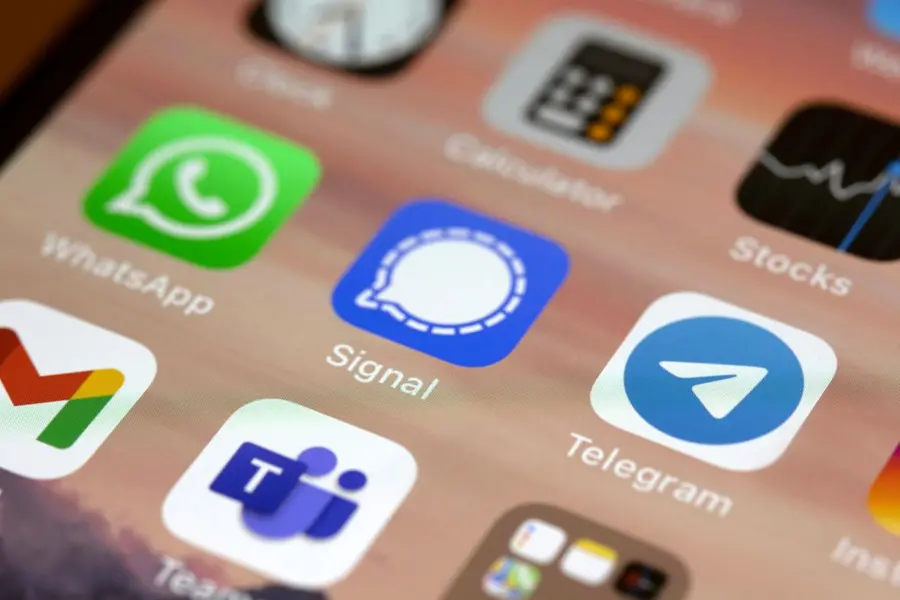
India's SIM-binding regime for messaging apps is set to become operational from January 1, requiring platforms such as WhatsApp and Telegram to keep user accounts linked to the physical, active SIM card used for registration. The Department of Telecommunications’ directive is aimed at curbing cyber fraud, but it could disrupt users who rely on Wi-Fi-only devices, web versions of apps or multiple devices.
The DoT issued directions on November 28, 2025, under the Telecom Cyber Security Rules, 2024, to app-based communication services including WhatsApp, Telegram, Signal, Snapchat, Arattai, ShareChat, Josh and JioChat.
The directive requires these services to remain continuously linked to the SIM card associated with the user’s registered mobile number, making the app unusable without that specific active SIM.
The rules also require web-based sessions -- such as WhatsApp Web -- to log out periodically, no later than every six hours. Users will then need to re-link the device by scnning a QR code.
The government’s stated objective is to prevent criminals from using messaging accounts detached from traceable mobile numbers to perpetrate digital fraud. Reports citing official estimates said scams involving untraceable numbers cost Indians more than Rs 22,800 crore last year.
WhatsApp and Telegram affected most
WhatsApp and Telegram are expected to be among the services most affected because many users access them on phones without the original SIM inserted, on tablets, or through desktop and web clients.
From January 1, users may need to keep the registered SIM physically present and active in the primary device to continue using the app.
This could particularly affect people who use older phones as Wi-Fi-only devices, switch handsets frequently, or keep their primary SIM in a different phone.
Travellers using international roaming are expected to be unaffected as long as the registered SIM remains active and inserted in the device.
Apple's iOS change
Apple has reportedly made changes to iOS to support SIM binding. A software patch released in September is designed to help detect the absence of a SIM card in an iPhone, enabling app developers to implement the government’s continuous-SIM requirement.
The exact impact will depend on how WhatsApp, Telegram and other platforms implement the check. India Today reported that the list of affected devices and the extent of restrictions will vary by platform and device configuration.
Snapchat exemption, Signal silence
Snapchat is not required to follow the SIM-binding rules, according to the input and subsequent reporting. This marks a notable exception, since Snapchat was originally named among the eight app-based communication services covered by the DoT’s November 2025 directive.
Signal, meanwhile, has not responded to government notices on the SIM-binding rules. Its silence has raised questions about how the privacy-focused platform will implement—or contest—a requirement that its accounts remain continuously tied to an active SIM card.
Compliance timeline and enforcement
The DoT originally gave covered platforms 90 days to implement the changes and 120 days to submit compliance reports. Some reports said the compliance deadline was later set at December 31, 2026, while others indicated the rules became mandatory from March 1, 2026 after the initial compliance window ended.
According to media reports, the operational rollout will begin on January 1, with WhatsApp and Telegram users likely to face the most immediate impact. Platforms that fail to comply could face action under India’s telecom laws.
What users should do
Users should ensure that the SIM linked to their WhatsApp or Telegram account remains active and inserted in the phone they primarily use. Those using WhatsApp Web or Telegram Web should be prepared for automatic logouts every six hours and reauthentication through a fresh QR-code scan.
Users who change their mobile number or move their SIM to another device should update their messaging-app registration promptly. Those relying on Wi-Fi-only tablets, secondary phones or web-only access may need to rethink their setup before the January 1 rollout.
Published: 22 Oct 2026, 05:58 pm IST
Disclaimer: Kindly avoid objectionable, derogatory, unlawful and lewd comments, while responding to reports. Such comments are punishable under cyber laws. Please keep away from personal attacks. The opinions expressed here are the personal opinions of readers and not that of Mathrubhumi.
