
Stealing billions in digital tokens is only the first step for cybercriminals; turning those tokens into spendable cash is a far longer process.
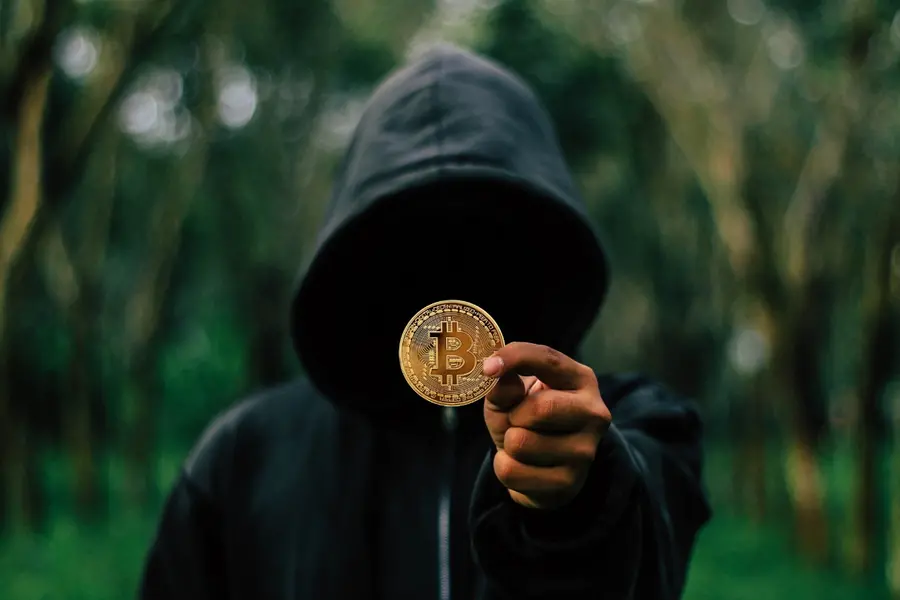
The world of digital finance has been shaken by an unprecedented security breach. Binance, the world's largest cryptocurrency trading platform, confirmed on Friday that it was hit by a complex cyberattack. Attackers managed to siphon off digital tokens worth approximately $6.3 billion (£4.7 billion) in a matter of minutes.
The scale of this theft is staggering. The missing amount represents the largest cryptocurrency robbery ever recorded in history. It is more than four times larger than the previous record theft from the Bybit platform last year. Despite the alarming figures, the exchange has moved quickly to reassure account holders that their money remains secure.
What happened at the world's largest exchange
Binance operates as a digital marketplace where millions of people buy, sell, and store electronic currencies such as Bitcoin and Ethereum. Headquartered globally and controlling more than a third of the entire crypto market, any trouble at Binance echoes across the global financial system.
The attack unfolded late on Thursday night and into early Friday morning. Criminals targeted the platform's digital wallets across ten different blockchains, moving billions of dollars before internal alarms could halt the transfer. In response to the crisis, Binance immediately suspended all customer withdrawals. Trading on its specialised platforms was temporarily suspended while security teams scrambled to assess the damage. The company clarified that incoming deposits were unaffected and that services would resume once security checks were complete.
How the digital breach took place
Understanding how such a vast sum vanished requires looking at how modern financial systems protect digital assets. Initial investigations pointed towards a compromised laptop belonging to a software developer on the engineering team. Attackers appear to have used this entry point to access internal system containers that manage fund movements.
However, company officials later acknowledged that the breach was far more sophisticated than a single compromised computer. Subsequent technical probes revealed multiple points of entry into the platform's infrastructure. Cyber security experts explained that the intruders did not crack complex encryption or steal private wallet keys. Instead, they gained control over the internal authorisation system that instructs digital vaults to approve withdrawals. By hijacking this process, the attackers were able to issue legitimate-looking transfer orders that drained the vaults automatically.
Who is suspected of orchestrating the heist
While Binance has not formally named any suspects, leading blockchain intelligence agencies have pointed directly towards state-sponsored hackers from North Korea. Independent analytics firms expressed high confidence that an elite cyber unit known as TraderTraitor carried out the operation. This group operates under the umbrella of the infamous Lazarus Group, which has been linked to major digital heists worldwide.
Cyber security analysts explain that North Korea relies heavily on digital currency theft to bypass strict international economic sanctions. Starved of conventional foreign exchange, the regime uses stolen digital funds to finance state expenditure and military programmes. Similar techniques were used in the $1.5 billion Bybit hack last year. When asked about these links, Binance representatives stated that they were working closely with international law enforcement agencies to identify the culprits and bring them to justice.
Where the stolen funds are going now
Stealing billions in digital tokens is only the first step for cybercriminals; turning those tokens into spendable cash is a far longer process. Immediately after the intrusion was detected, Binance partnered with major technology firms and law enforcement to freeze the stolen assets. Approximately $3 billion of the stolen funds has already been locked on the blockchain, stopping hackers from moving it further. Major stablecoin issuers such as Tether and Circle also froze over $2.4 billion in connected digital tokens.
For the remaining un-frozen funds, experts anticipate a prolonged laundering operation. The attackers will likely attempt to wash the funds by splitting them into thousands of smaller transactions across different platforms. They will try to confuse investigators by swapping coins back and forth before attempting to convert them into traditional physical currencies through unregulated financial channels. Security professionals caution that tracing this money could take months or even years.
What this means for the broader market and investors
The news of the breach sent immediate shockwaves through global financial markets. Bitcoin fell by roughly five percent to around $76,400, while other major digital tokens such as Ethereum and Binance's native coin BNB suffered even sharper drops. The drop coincided with a wider downturn in global technology stocks, driven by investor nervousness around artificial intelligence spending and broader economic uncertainty.
For individual account holders, Binance has repeatedly promised that no user will suffer financial loss. The exchange announced that it has set aside over $6.3 billion in company reserves and emergency insurance funds to cover every dollar taken. Former chief executive Changpeng Zhao also publicly expressed confidence that user funds would remain protected. While retail investors may face short-term inconvenience due to suspended withdrawals, industry observers note that the event highlights the ongoing risks of storing digital wealth on centralised online platforms.
Published: 30 Oct 2026, 07:26 pm IST


Related Topics
Disclaimer: Kindly avoid objectionable, derogatory, unlawful and lewd comments, while responding to reports. Such comments are punishable under cyber laws. Please keep away from personal attacks. The opinions expressed here are the personal opinions of readers and not that of Mathrubhumi.
