
Cigarettes and pan masala cost more from February 1 as Budget 2026 replaces GST compensation cess with fresh excise duty and health cess.
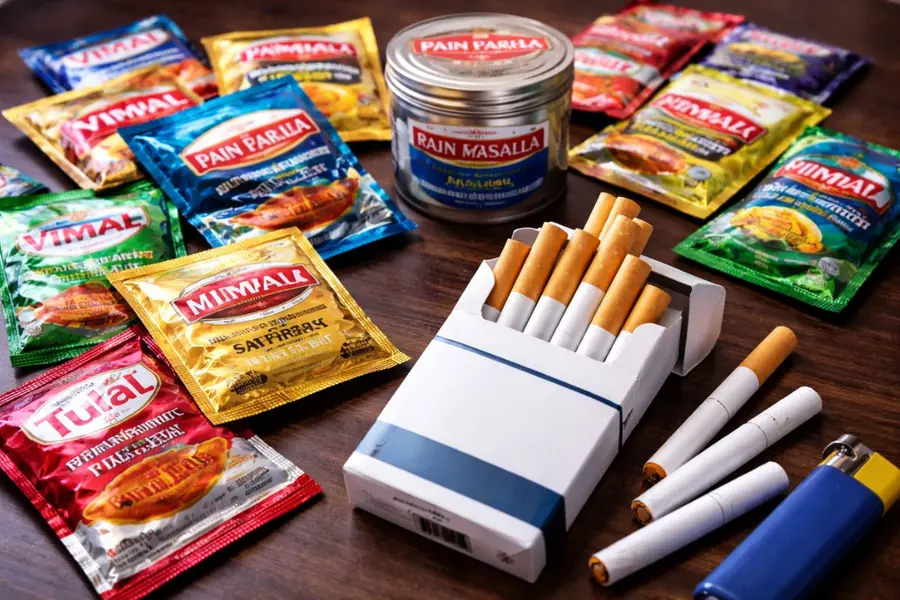
Cigarettes and pan masala have become more expensive from today after the Union Budget ushered in a new tax regime for tobacco and related ‘sin goods’.
The Centre has imposed an additional excise duty on cigarettes and tobacco products, along with a health and national security cess on pan masala, replacing the earlier GST compensation cess framework that has been in place since 2017.
Also Read

The fresh levies come over and above the highest 40% GST slab and are aimed at simplifying taxation while ensuring states continue to receive a steady share of revenues after the compensation cess era ends.
The move follows approval by Parliament and a decision taken earlier by the GST Council once GST compensation loans are fully repaid by January 31, 2026.
Cigarette prices: What changes from Feb 1
Under amendments to the Central Excise Act, cigarette sticks will now attract a length-based excise duty, pushing up retail prices across categories.
- Short non-filter cigarettes (up to 65 mm): Around ₹2.05 per stick
- Short filter cigarettes (up to 65 mm): Around ₹2.10 per stick
- Medium cigarettes (65–70 mm): Roughly ₹3.6–₹4 per stick
- Long/premium cigarettes (70–75 mm): About ₹5.4 per stick
This excise duty replaces the earlier structure of 28% GST plus compensation cess, marking a major overhaul of tobacco taxation.
Pan masala, chewing tobacco: New cess regime
Pan masala will now be taxed under the Health and National Security Cess Act, with cess linked to the manufacturing capacity of production units. Despite the structural change, the overall tax incidence on pan masala will remain at about 88%, including GST.
For other tobacco products:
- Chewing tobacco: Excise duty of around 82%
- Jarda-scented tobacco and gutkha: Excise duty of up to 91%
In addition, from today, an MRP-based valuation mechanism kicks in for chewing tobacco, filter khaini, jarda-scented tobacco and gutkha, meaning GST will be calculated on the declared retail sale price.
Compliance tightened for manufacturers
Manufacturers of pan masala and chewing tobacco will have to register afresh under the new cess law. The rules mandate installation of functional CCTV systems covering all packing machines, with footage preserved for at least 24 months.
Units must also disclose the number and capacity of machines to excise authorities, with provisions for duty abatement if machines remain non-functional for at least 15 consecutive days.
Why this matters for states
Revenue from excise duty on tobacco will form part of the Centre’s divisible pool, of which 41% is shared with states as per Finance Commission norms. Proceeds from the pan masala cess will also be routed to states, primarily for health awareness and related schemes.
The shift comes as the compensation cess mechanism—introduced alongside GST in 2017 to offset states’ revenue losses, formally winds down after repayment of Covid-era GST compensation loans.
Published: 01 Feb 2026, 04:46 pm IST
Related Topics
Disclaimer: Kindly avoid objectionable, derogatory, unlawful and lewd comments, while responding to reports. Such comments are punishable under cyber laws. Please keep away from personal attacks. The opinions expressed here are the personal opinions of readers and not that of Mathrubhumi.