
Two more cases of amoebic encephalitis have been confirmed in Kerala. Experts explain symptoms, precautions, and why early treatment is crucial.
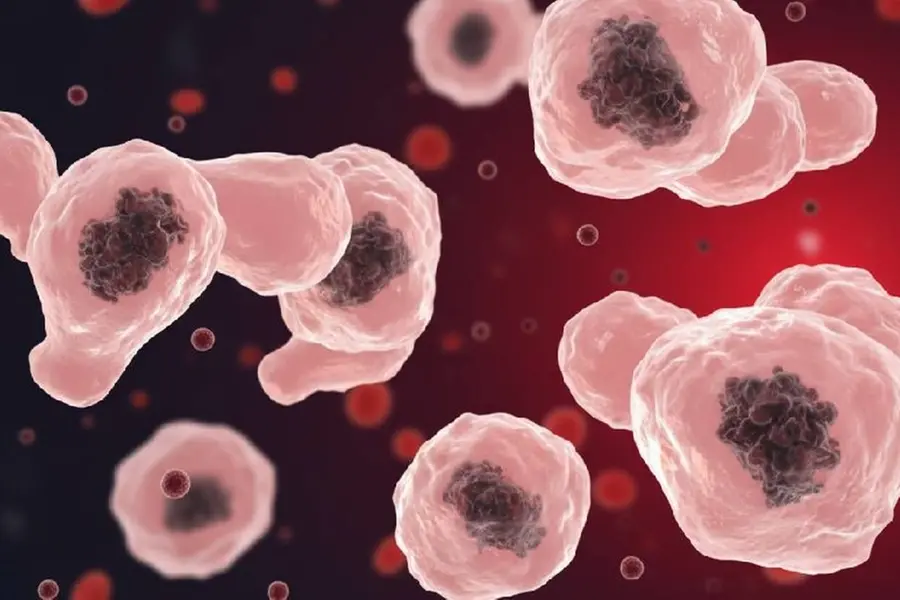
Kozhikode: Two more cases of amoebic encephalitis have been confirmed in Kerala, health officials said. A 10-year-old girl from Malappuram and a 30-year-old woman from Ramanattukara tested positive at Kozhikode Medical College. Eleven patients are currently undergoing treatment for the disease at the hospital.
What is amoebic encephalitis?
Amoebic encephalitis is a rare and often fatal brain infection caused by free-living amoebae such as 'Naegleria fowleri', 'Acanthamoeba', 'Sapinia' and 'Balamuthia mandrillaris'. The organisms can enter the brain through the thin membrane separating the nose and brain, or through an opening in the eardrum, leading to meningoencephalitis. The disease carries a mortality rate of more than 97 per cent.
It is not transmitted from person to person. Infection typically occurs when people swim or bathe in stagnant or contaminated water. Amoebae found in mud or silt at the bottom of ponds or reservoirs can enter the body through the nose. Symptoms usually appear within one to nine days after exposure.
Precautions
- Avoid bathing in dirty or mossy pools, water used by animals, or stagnant reservoirs that have not been cleaned.
- People with nasal surgery, head injuries or ear infections should stay away from stagnant water.
- Do not dive or swim in untreated water bodies.
- Pools and water parks should be chlorinated and properly maintained.
- Do not allow water to enter the nose; nasal clips can help prevent entry.
Symptoms
Early signs include severe headache, fever, nausea, vomiting, neck stiffness, and sensitivity to light. Children may show reluctance to eat, lethargy or unusual behaviour.
In severe cases, seizures, fainting and memory loss may occur. Anyone experiencing these symptoms after exposure to stagnant water should seek immediate medical care. Diagnosis is confirmed through a spinal fluid test followed by PCR analysis.
Treatment involves a combination of five drugs shown to be effective against amoebae. Early initiation of therapy improves the chances of survival.
Published: 10 Sept 2025, 05:47 pm IST
Disclaimer: Kindly avoid objectionable, derogatory, unlawful and lewd comments, while responding to reports. Such comments are punishable under cyber laws. Please keep away from personal attacks. The opinions expressed here are the personal opinions of readers and not that of Mathrubhumi.
