
The trawling ban, which prohibits the use of bottom-trawling methods, is enforced to prevent disturbance to the seabed during this critical spawning season and to ensure the sustainability of marine resources.
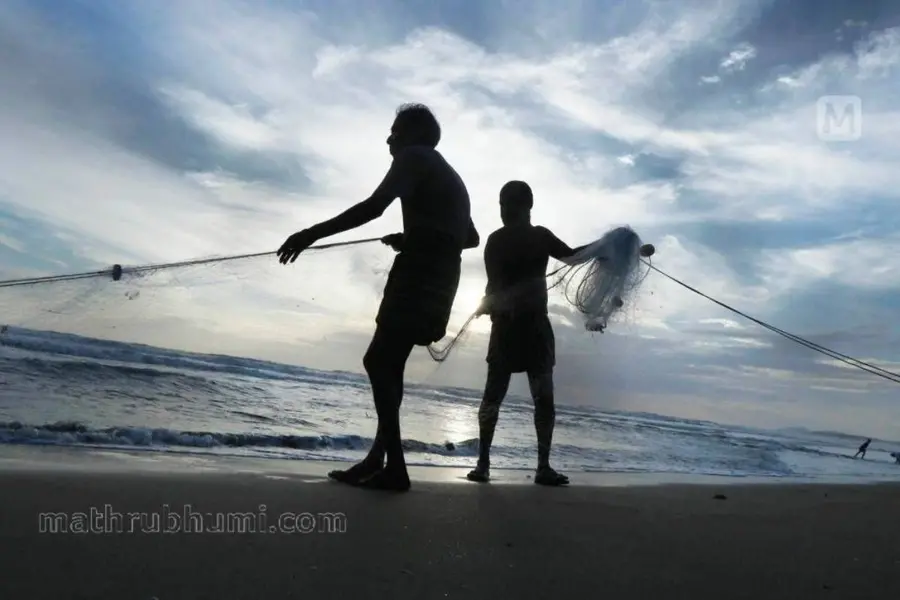
Kollam: The 52-day annual ban on trawling will come into effect in Kerala from midnight on Monday. The enforcement will officially begin at 12 am with the symbolic chaining of the Neendakara Bridge spans. During this period, only traditional fishing vessels will be permitted to venture into the sea.
Public announcements will be made across coastal regions starting Monday morning to inform local communities about the ban. Fishing boats from other states have been directed to vacate Kerala’s coastal waters, with intensified patrolling planned to ensure strict compliance.
The Marine Enforcement Wing and the Department of Fisheries will jointly implement the ban. A district-level monitoring committee comprising the Collector, tahsildars, sub-collectors and fisheries officials will assess the situation. A control room has been set up to respond to emergencies involving traditional fishermen. Authorities have also warned of strict action against illegal fishing methods such as ‘light fishing’ using high-intensity bulbs.
The Central Government has imposed a similar trawling ban along India’s west coast—from Kanyakumari to Gujarat—beginning June 1 and lasting two months. Even within the Exclusive Economic Zone (EEZ), under central jurisdiction, traditional boats are not allowed to fish during this time.
Kollam alone yields approximately 35,000 tonnes of fish daily. With only traditional boats permitted at sea, a sharp drop in fish availability is expected. In response to the hardship caused by the ban, the state will provide six kilograms of free ration per person. The first two instalments from the Fishermen’s Welfare Fund will also be disbursed during June and July.
Fisherfolk in deep distress
The fishing community is already reeling from the aftermath of the recent cargo ship capsizing off the Kerala coast, which led to drifting containers and widespread panic about possible contamination. This has severely disrupted fish sales in the region, with markets reporting minimal or no demand for days. The trawling ban, though vital for marine conservation, has come at a time when fisherfolk are already grappling with financial losses and uncertainty, compounding their distress.
A crucial breeding season
This time of year marks the breeding season for surface-dwelling fish species such as sardines (mathi), mackerel (ayala), tuna (choora), anchovies (netholi) and scads (para, parava). Although typically found in deeper waters, prawns such as Karikkadi and Poovalan Chemmeen also breed during this period. The onset of the monsoon floods the sea with plankton—the main food for hatchlings—making it an ideal time for reproduction.
Published: 09 Jun 2025, 09:41 am IST
Related Topics
Disclaimer: Kindly avoid objectionable, derogatory, unlawful and lewd comments, while responding to reports. Such comments are punishable under cyber laws. Please keep away from personal attacks. The opinions expressed here are the personal opinions of readers and not that of Mathrubhumi.
