
The impact could be particularly severe in Kerala because of its high population density and extensive human development, according to the assessment.
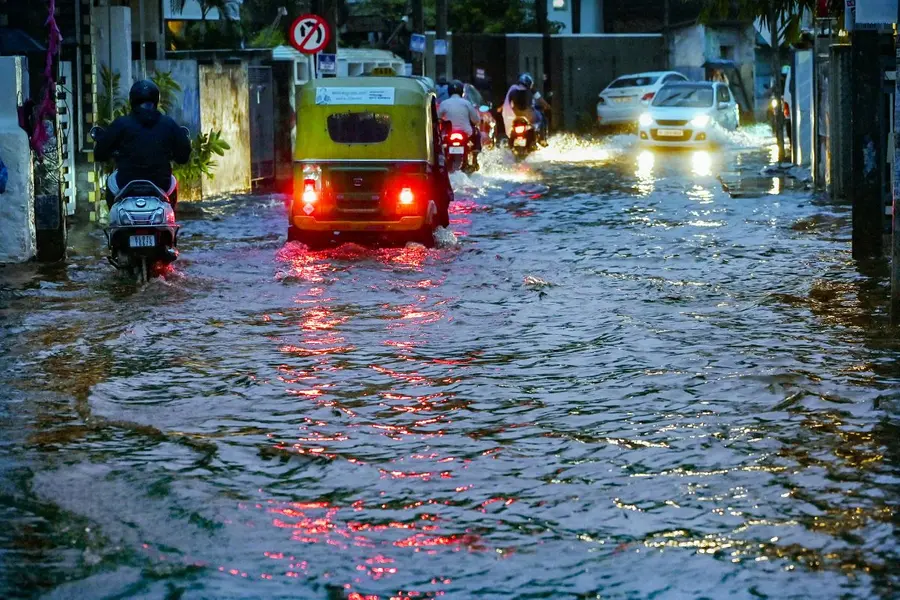
Kottayam, Kerala: The El Niño weather phenomenon is expected to strengthen by November-December and could become more severe than the previous episode.
According to indications from the World Meteorological Organisation and various public and private weather research agencies, the impact on Kerala could be amplified by several other weather-related factors occurring at the same time.
Pacific Ocean temperatures are expected to rise unusually, with the warming potentially extending deeper into the ocean. Instead of the usual warming at depths of around 100-150 metres, temperatures could rise as deep as 200-250 metres.
As the ocean stores more heat, that energy can move into the atmosphere. At the same time, warmer sea temperatures could increase the formation of water vapour.
Also read | El Niño alert: Tamil Nadu forms expert committee to prepare for extreme weather
The additional moisture could strengthen cloud formation and trigger episodes of extremely heavy rainfall. The clouds could also release large amounts of heat into the atmosphere, further raising temperatures at the surface. This could result in sudden floods and intense hot days occurring alternately, or one of these extreme conditions continuing for an extended period, said Dr MG Manoj, a scientist at the CUSAT Radar Research Centre.
The additional heat could also alter atmospheric pressure and change wind patterns. This could make northeast monsoon rainfall that the state normally receives during November and December more unpredictable and potentially more intense.
Kerala is already vulnerable to intense rainfall because of warming in the Arabian Sea, increased moisture formation and the development of powerful convective clouds. These conditions could coincide with atmospheric changes triggered by El Niño in the Pacific, increasing the possibility of extreme rainfall.
The impact could be particularly severe in Kerala because of its high population density and extensive human development, according to the assessment.
The combination of multiple weather factors could also make forecasting more difficult. Episodes of intense rainfall, such as those witnessed in early August, showed considerable variation even within short periods, with rainfall intensity changing from hour to hour.
In some cases, by the time meteorologists identify and confirm certain changes, heavy rainfall may have already occurred.
Recent major El Niño years include 1982-83, 1997-98 and 2015-16. Current indications suggest that the developing event could be stronger than these previous episodes, with some assessments describing the possibility of a “Super El Niño.”
Published: 20 Aug 2026, 11:52 am IST
Related Topics
Disclaimer: Kindly avoid objectionable, derogatory, unlawful and lewd comments, while responding to reports. Such comments are punishable under cyber laws. Please keep away from personal attacks. The opinions expressed here are the personal opinions of readers and not that of Mathrubhumi.
