
Congress MP Shashi Tharoor has criticised the Indian government’s decision to abstain from voting on an International Labour Organization (ILO) convention on decent work standards for gig workers, calling it a setback for platform-based workers.
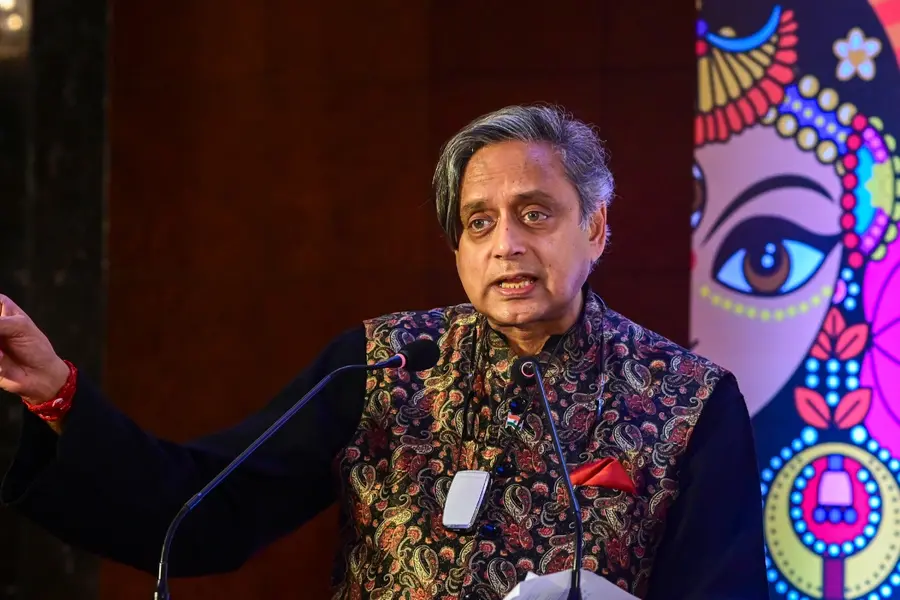
Congress MP Shashi Tharoor’s criticism comes amid a larger debate over the rights and protections of India’s growing gig workforce. Shashi Tharoor criticised the government for not backing an International Labour Organization (ILO) proposal to protect gig workers. He said app-based workers need better pay, safety and social security.
Gig workers, including delivery partners, app-based drivers, online service providers and freelance workers, have become an important part of the country’s digital economy but many do not receive the same protections as traditional employees.
Also Read

The ILO’s proposed standards on "decent work in the Platform Economy" focus on issues such as fair pay, social security, workplace safety, transparency in algorithm-based decisions and basic labour rights for people working through digital platforms.
Why are gig workers a major issue in India?
India’s gig economy has expanded rapidly with the growth of platforms in sectors such as food delivery, ride-hailing, logistics, e-commerce and online services. Millions of workers now depend on app-based platforms for their income.
However, many gig workers are classified as "independent contractors" rather than employees, which means they often do not have access to benefits such as paid leave, health insurance, retirement benefits or guaranteed minimum wages available to many formal workers.
Worker groups have repeatedly raised concerns over issues including:
- Low or unpredictable earnings due to changing payment structures
- Rising fuel and operational costs for delivery and transport workers
- Lack of employment security
- Limited access to social security benefits
- Dependence on platform algorithms for work allocation and ratings
Why did Tharoor criticise the government?
Tharoor argued that India should have supported the ILO convention instead of abstaining, saying the country should adopt global standards to protect gig workers through domestic legislation.
He claimed that Indian employers and workers had supported the convention during the ILO process and questioned why the government did not back the proposal.
The Congress leader said the decision showed a lack of sensitivity towards young Indians who rely on app-based jobs for their livelihoods.
Why might the government have concerns?
The government has not publicly responded to Tharoor’s criticism. However, debates around gig worker regulations involve questions about how new labour protections could affect businesses, platform companies and employment models.
Stricter rules could increase costs for companies operating digital platforms, while supporters argue that stronger protections are needed to ensure fair treatment of workers.
India has already introduced provisions for gig and platform workers under the Code on Social Security, 2020, which provides a framework for extending social security benefits to such workers. The implementation of these protections and the extent of benefits available remain key issues in discussions around gig worker welfare.
The dispute highlights a global challenge ofhow governments should balance the growth of digital platforms with protections for workers who depend on them.
For India, where millions of people are increasingly entering app-based employment, decisions on gig worker rights could shape the future of work, income security and labour protections in the digital economy.
Published: 30 Jul 2026, 09:32 am IST
ABOUT THE AUTHOR
Related Topics
Disclaimer: Kindly avoid objectionable, derogatory, unlawful and lewd comments, while responding to reports. Such comments are punishable under cyber laws. Please keep away from personal attacks. The opinions expressed here are the personal opinions of readers and not that of Mathrubhumi.