
Although the number of cases typically increases during the monsoon season, the current spread is being ascribed to intermittent summer rains
Leptospirosis (rat fever) continues to pose a serious health threat across Kerala, despite the prevailing summer. According to data released by the Health Department, 29 deaths due to leptospirosis have been reported so far this year. A total of 30 suspected rat fever-related deaths have been reported taking the total number of deaths in just four and a half months to 59.
A total of 703 people have been diagnosed with the disease, while another 423 people sought treatment for symptoms without a confirmation in diagnosis. Although the number of cases typically increases during the monsoon season, the current spread is being ascribed to intermittent summer rains, which also contributed to the rise in a number of other infections.
Nearly every district in the state has reported fatalities due to leptospirosis. Of the 29 confirmed deaths this year, 20 occurred in January and February, March saw two deaths, April four, and May three so far. The suspected cases under observation are not included in these numbers.
A concerning increase in leptospirosis cases has been noted by health officials in recent years. In 2023 alone, a total of 282 deaths were reported, including both confirmed and suspected cases. In 2024, this number has already surpassed 300, raising serious concerns.
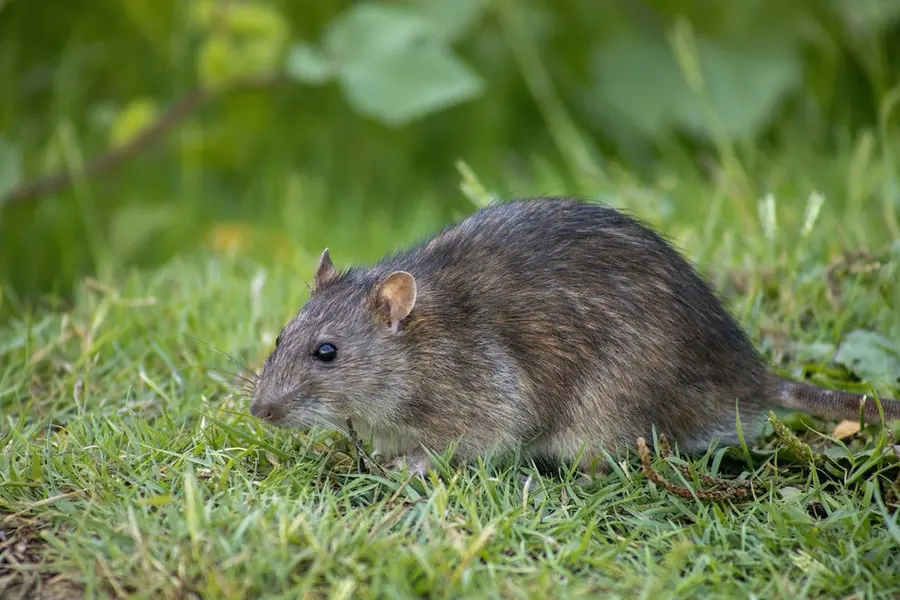
People working in waterlogged or unhygienic environments are at high risk. Leptospira bacteria spread through contaminated water and soil, often mixed with the urine of infected rodents. When this comes in contact with wounded skin or mucous membranes, it can enter the body and cause infection. As a result, workers engaged in activities such as MGNREGA (Thozhilurappu) and construction should take extra precautions.
Some of the common symptoms include high fever, headache, body pain, and redness around the eyes. nausea or vomiting
Safety measures to prevent infection
- ◦ Avoid self-medication and consult a doctor immediately upon showing symptoms
- ◦ Do not walk or work in stagnant or dirty water, especially with cuts or wounds on the skin
- ◦ Keep wounds clean and securely covered to prevent exposure to contaminated water or soil
- ◦ Wear protective gear such as gloves and boots when working in risk-prone areas
- ◦ Follow medical advice and take Doxycycline tablets as prescribed by health workers during high-risk periods
Published: 17 May 2025, 11:22 am IST
Related Topics
Disclaimer: Kindly avoid objectionable, derogatory, unlawful and lewd comments, while responding to reports. Such comments are punishable under cyber laws. Please keep away from personal attacks. The opinions expressed here are the personal opinions of readers and not that of Mathrubhumi.
