
WHO has highlighted Kerala’s healthcare model as a global example, stressing the importance of early detection of childhood disorders and improved newborn screening systems.
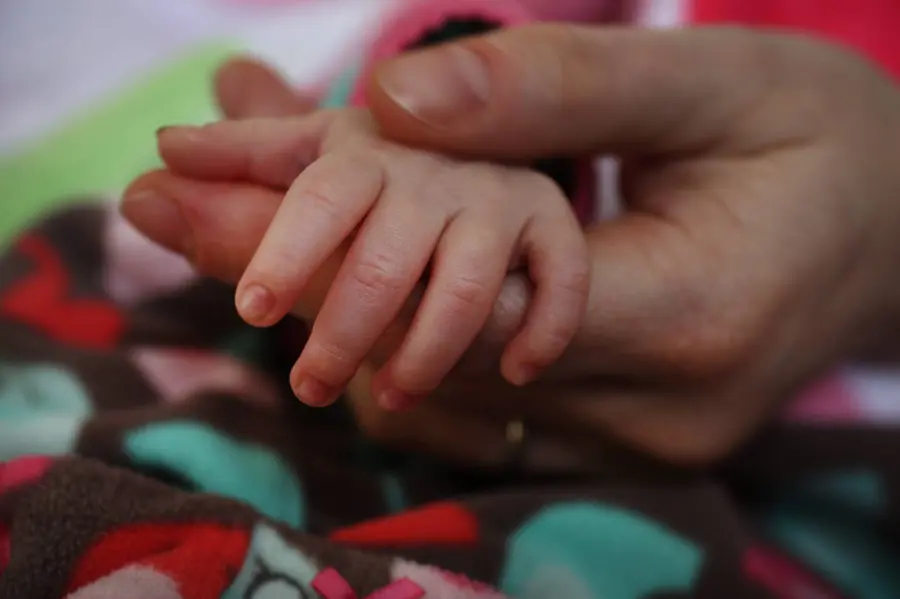
The World Health Organization (WHO) has called for the expansion of newborn screening and monitoring systems to detect and treat congenital disabilities at an early stage. The global health body highlighted successful healthcare models, including Kerala's "Hridyam" project, as examples of improving child health outcomes and reducing infant mortality rates.
According to the WHO report, Kerala has achieved one of the lowest infant mortality rates in India, recording around five deaths per 1,000 live births. This has helped the state's 'Kerala model' gain international recognition. The report also noted that the infant mortality rate in the United States stands at 5.6, while India's national average is significantly higher at 25.
The report notes that several conditions, such as sickle cell disease, hearing impairments and hypothyroidism, can be effectively treated if detected at an early stage after birth.
Key findings on childhood disabilities
Nearly 8 million (80 lakh) children are born with disabilities worldwide every year. Among children under the age of five, congenital disorders account for about 8% of deaths.
Around 90% of children born with disabilities are in low- and middle-income countries, highlighting a significant global healthcare gap.
In India, the report says that 28 million (2 crore 80 lakh) children have been screened over the past three years. Of these, around 900,000 (9 lakh) children have received treatment and rehabilitation support under various healthcare programmes.
Kerala model
The "Hridyam" project focuses on detecting and surgically treating congenital heart diseases in children. Under the initiative, the government provides financial support for surgeries for children up to 18 years of age and also coordinates with the private sector. The programme conducts more than 4,000 surgeries annually.
The initiative also includes newborn screening using pulse oximetry, along with specialised training for healthcare workers. An Emergency Referral and Transport System has been set up to ensure that critically ill children can be quickly shifted to better-equipped hospitals for treatment.
The Social Security Mission also plays an important role in keeping the state's infant mortality rate in check. It implements various welfare schemes in coordination with the departments of Health, Social Justice, Education and Local Self-Government. These include programmes such as Anuyathra, Kathoram, Aswasakiranam, BUDS schools and rehabilitation initiatives under Kudumbashree, all aimed at supporting differently abled individuals and improving community-based care.
After childbirth, discharge from hospital is carried out only after 48 hours. The Health Department has also issued a protocol outlining the required monitoring of newborns during the first 24 hours, the first 48 hours and the period thereafter.
Published: 30 Jun 2026, 11:23 am IST
Disclaimer: Kindly avoid objectionable, derogatory, unlawful and lewd comments, while responding to reports. Such comments are punishable under cyber laws. Please keep away from personal attacks. The opinions expressed here are the personal opinions of readers and not that of Mathrubhumi.
