
A fitness centre in Kerala’s Palakkad has come under the spotlight after announcing plans to transform into an ‘Islam-friendly gym’ with Sharia-based guidelines.
Palakkad, June 4: A fitness centre in Kerala’s Palakkad district has triggered a heated debate after unveiling plans to operate as what it claims will be the state’s first ‘Islam-friendly gym’, introducing a set of Sharia-based guidelines for members.
The gym, located in Puthunagaram, announced the proposed changes through an Instagram post that has since been deleted following widespread discussion online.
The announcement was shared via the profile ‘Nawaz Muthu T’ and quickly drew attention across social media platforms.
According to the post, the fitness centre, which has reportedly been functioning for around 15 years, intends to implement several new rules aimed at aligning the facility with Islamic values.
Among the proposed measures is a complete ban on music inside the gym premises.
The management also plans to introduce separate workout timings for men and women, ensuring that members of opposite genders do not exercise together.
The proposed guidelines further include a dress code requiring members to keep their ‘awrah’: Body parts that Islamic teachings prescribe should remain covered or concealed while working out.
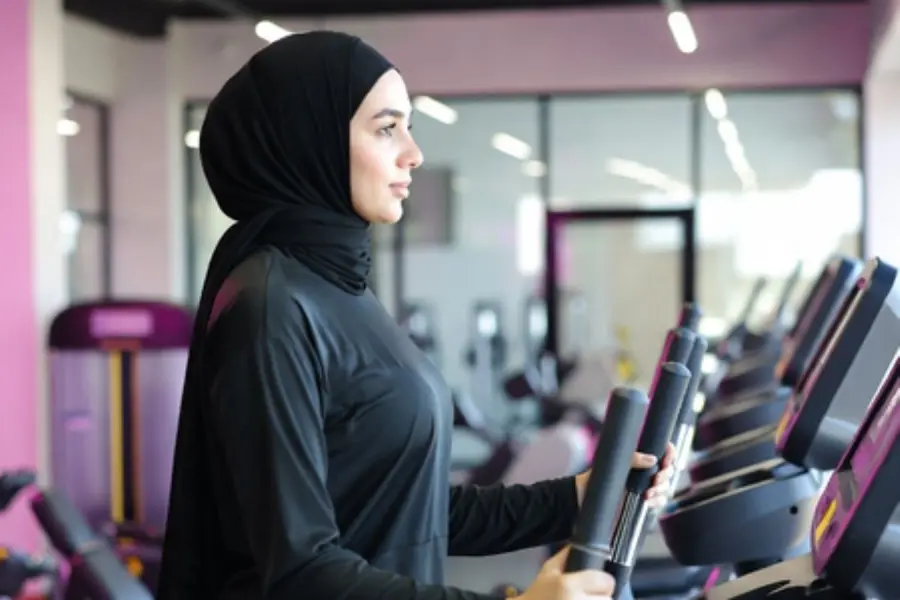
Women members would be expected to wear clothing, including a hijab, that adheres to the stated religious requirements.
The initiative has been described by its organisers as Kerala’s first ‘Islam-friendly gym’, a claim that has generated both support and criticism.
While some have welcomed the move as an attempt to create a fitness space that accommodates religious preferences, others have questioned the implications of introducing faith-based restrictions in a gym setting.
As the debate intensified, the original promotional video was removed from Instagram.
However, screenshots and clips from the announcement continue to circulate online, fuelling discussions over the concept of religion-oriented fitness centres.
Details regarding the ownership of the gym and the timeline for implementing the proposed changes remain unclear.
The controversy has also reignited a broader conversation about specialised spaces designed around religious or cultural identities, with opinions sharply divided over whether such initiatives promote inclusivity or segregation.
(With inputs from IANS)
Published: 04 Jun 2026, 03:01 pm IST
Related Topics
Disclaimer: Kindly avoid objectionable, derogatory, unlawful and lewd comments, while responding to reports. Such comments are punishable under cyber laws. Please keep away from personal attacks. The opinions expressed here are the personal opinions of readers and not that of Mathrubhumi.
