
Kerala currently receives around 750 MW through long-term agreements, all of which were signed in 2014 or earlier.
Kerala has not entered into a single long-term agreement to purchase electricity in the past 12 years, even as the state's power demand has steadily increased. The state has relied mainly on short-term contracts, while other agreements have involved solar and wind power. The lack of long-term contracts is being cited as a major factor behind the current electricity shortage.
Kerala currently receives around 750 MW through long-term agreements, all of which were signed in 2014 or earlier.
During peak hours, Kerala's electricity requirement is around 5,400 MW. Against this, the state currently has access to only about 4,300 MW, leaving a gap of roughly 1,100 MW.
Of the available 4,300 MW, around 1,700 MW comes from Kerala's central allocation, while another 1,800 MW is generated through domestic hydropower projects. The remaining supply includes the 750 MW secured through long-term power purchase agreements.
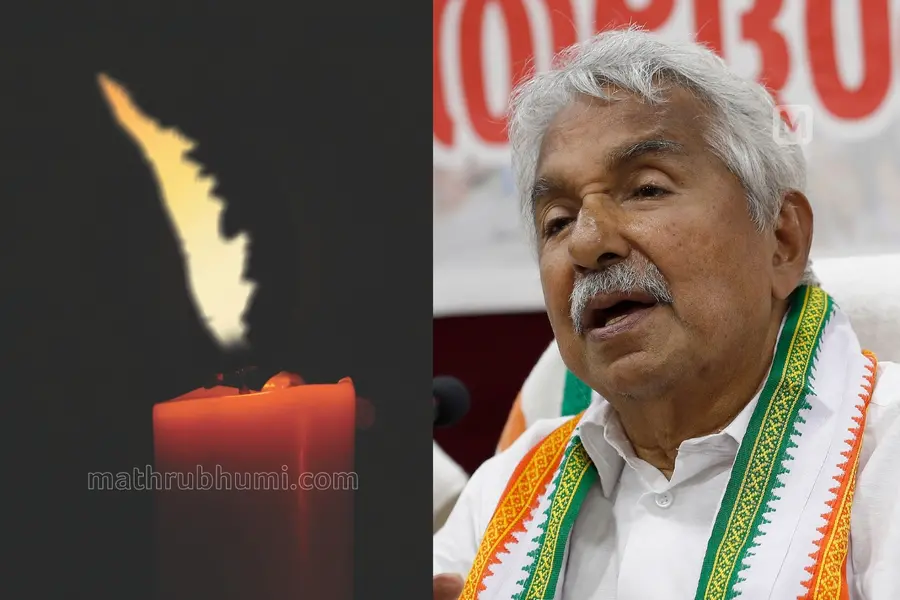
The long-term agreements were pursued during the tenure of former Chief Minister Oommen Chandy, when the state anticipated a future increase in its power requirement. These agreements were generally for 25 years, providing Kerala with a longer-term source of electricity.
Kerala signed agreements to procure 150 MW each in 2013 and 2014 from the Maithon Power Plant in Jharkhand.
In 2014, agreements were also signed to procure 200 MW from Jindal Power Limited in New Delhi, 100 MW from Bharat Aluminium Company Limited (BALCO) in Chhattisgarh, and power from the Damodar Valley Corporation's thermal power stations in West Bengal.
The agreements with the Mejia Thermal Power Station covered 100 MW, while another agreement covered 50 MW from the Raghunathpur Thermal Power Station.
Alongside these contracts, an agreement was signed to purchase 465 MW at ₹4.29 per unit from a generating unit that was later cancelled and became the subject of controversy.
After these agreements, Kerala invited tenders for another 500 MW under a 15-year contract.
Two companies — M.B. Power from Madhya Pradesh and Sarda Energy and Minerals Limited — participated in the tender. They quoted ₹6.52 and ₹6.39 per unit, respectively.
As the quoted rates were considered high, the tender was rejected. This left Kerala without another long-term power procurement agreement, while its dependence on shorter-term arrangements continued.
Published: 20 Sept 2026, 12:05 pm IST
Disclaimer: Kindly avoid objectionable, derogatory, unlawful and lewd comments, while responding to reports. Such comments are punishable under cyber laws. Please keep away from personal attacks. The opinions expressed here are the personal opinions of readers and not that of Mathrubhumi.
