
Discover Lyriothemis keralensis, a new dragonfly species found in Kerala`s coastal plains. Learn about its unique features and habitat in this exciting discovery.
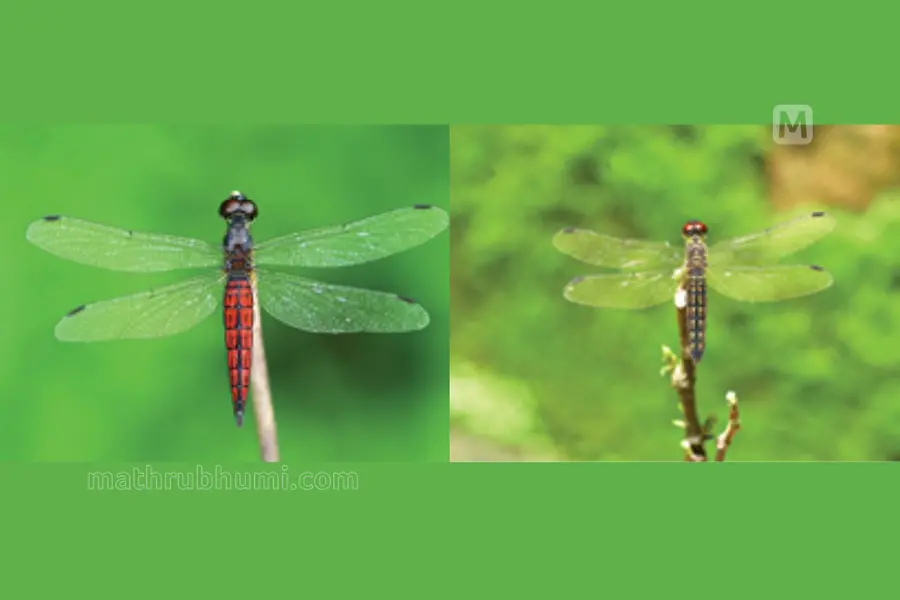
Thiruvananthapuram: Researchers have identified a new dragonfly species, Lyriothemis keralensis, in the low-lying coastal plains of Kerala, marking a significant addition to India’s biodiversity records.
Commonly known as the Slender Bombardier, the species was formally confirmed after more than a decade of research. Scientists said on Sunday that it was distinguished from its close relative, Lyriothemis acigastra, found in northeastern India.
The discovery was led by a collaborative team including Dr Dattaprasad Sawant, Dr A Vivek Chandran, Renjith Jacob Mathews and Dr Krushnamegh Kunte. Their findings were published in the 'International Journal of Odonatology'.
First sighted in 2013 in Varappetty, near Kothamangalam, the dragonfly was initially believed to belong to the Lyriothemis acigastra or Little Bloodtail group. However, detailed morphological and behavioural studies later confirmed it as a distinct odonate species.
According to the research paper, Lyriothemis keralensis has a slender abdomen, a uniquely shaped tail and distinct genital structures. Males display a deep blood-red abdomen with black markings, while the slightly broader females show yellow and black colouration. The species measures about three centimetres in length and was verified through the study of century-old museum specimens.
Unlike many dragonflies found in forest sanctuaries, the Slender Bombardier prefers human-modified landscapes. It thrives in irrigation ecosystems such as pineapple and rubber plantations, and is commonly seen in shaded canals and seasonal pools within agricultural areas.
Dr Vivek Chandran stressed the need to rethink conservation strategies, noting that the species is observed only in human-dominated environments. “Biodiversity conservation cannot focus solely on forests. Odonates occupy diverse habitats, and this species highlights the urgent need to protect ecosystems within farmlands and human settlements,” he told PTI.
The dragonfly is a seasonal resident, emerging during the monsoon and retreating as rainfall declines. Researchers warned that its survival depends on the preservation of specific microhabitats outside protected areas, placing responsibility on local communities and sustainable land-use practices.
PTI
Published: 09 Feb 2026, 07:55 am IST
Related Topics
Disclaimer: Kindly avoid objectionable, derogatory, unlawful and lewd comments, while responding to reports. Such comments are punishable under cyber laws. Please keep away from personal attacks. The opinions expressed here are the personal opinions of readers and not that of Mathrubhumi.
