
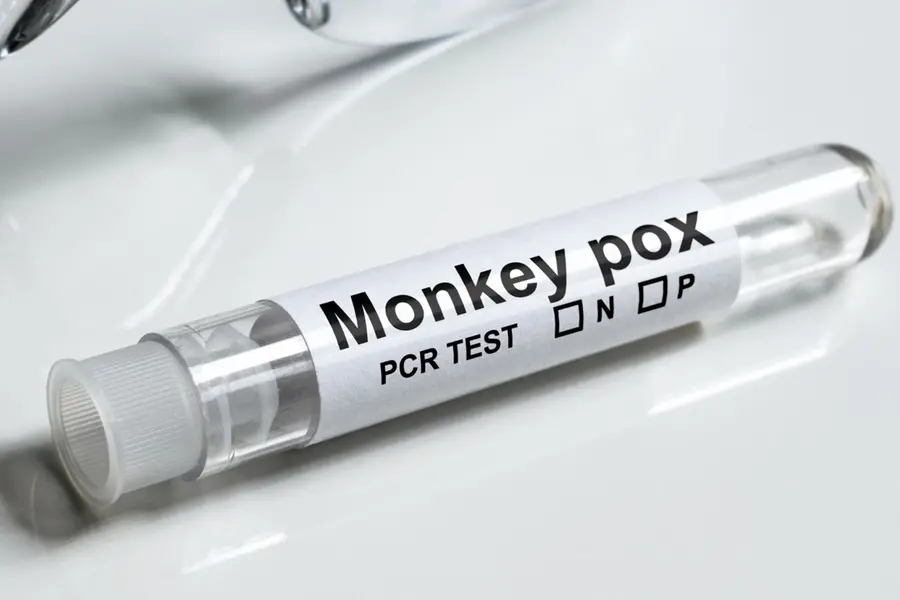
Two people returning from the UAE have tested positive for Mpox in Kannur, Kerala. In response, the health department is ramping up efforts, with isolation wards being prepared and close monitoring underway. Here's everything you need to know about Mpox, how it spreads, and what precautions to take.
What is Mpox?
Mpox, also known as monkeypox, is a rare viral disease caused by the monkeypox virus. It belongs to the same family as the virus that causes smallpox but is much milder and rarely fatal. Despite its name, Mpox is not related to chickenpox.
How does it spread?
Mpox can spread from person to person through close contact, such as large respiratory droplets, physical contact with body fluids, or touching items like clothes or bedding used by an infected person. It can also spread from animals to humans through bites, scratches, or handling bush meat.
Symptoms to watch out for
The disease often starts with fever, headaches, swollen lymph nodes, and body aches, followed by a distinctive rash. The incubation period—time between exposure and symptoms—ranges from 5 to 21 days, with most cases showing symptoms within 6 to 13 days.
Who is at risk?
People who have travelled to affected regions or had close contact with infected individuals are at higher risk. Young children are particularly vulnerable, as Mpox has a higher fatality rate among them, though the overall death rate is low, ranging between 0% and 11%.
What to do if exposed?
Anyone showing symptoms, especially those with recent travel history or exposure to suspected cases, should contact healthcare authorities immediately. Quick action can help prevent the spread and ensure proper treatment.
Health officials are on high alert, and the public is advised to remain vigilant while following safety protocols.
Published: 19 Dec 2024, 10:57 am IST
Related Topics
Disclaimer: Kindly avoid objectionable, derogatory, unlawful and lewd comments, while responding to reports. Such comments are punishable under cyber laws. Please keep away from personal attacks. The opinions expressed here are the personal opinions of readers and not that of Mathrubhumi.
