
For many in the LGBTQIA+ community, a disaster is often intensified by social stigma and systemic barriers.
A report by the Kerala State Disaster Management Authority (KSDMA) has outlined a structured plan to integrate transgender and gender-diverse communities into every stage of disaster management in Kerala.
The initiative, described as one of the first institutionalised models of its kind in India, aims to transform a historically marginalised community into trained responders capable of supporting preparedness and relief operations.
The programme began at the district level when the District Disaster Management Authority (DDMA) in Malappuram launched the Transgender Inclusive Disaster Risk Reduction (DRR) Programme on 5 March 2020.
It was later expanded statewide by KSDMA on 27 October 2020, with the objective of training members of the community in early warning systems, evacuation procedures and basic emergency response skills.
Systemic exclusion and the binary barrier
According to the report, disasters do not affect all groups in the same way. For Kerala’s estimated 5,000 transgender persons, vulnerability often begins long before a disaster strikes.
The report notes that systemic discrimination and the rigid gender binary embedded in disaster frameworks have frequently left transgender individuals excluded from planning and response systems. Many are described as part of a “floating population”, often living with dual identities because of social stigma. This situation can make it harder for authorities to reach them with emergency alerts.
Economic insecurity further increases risk. Many transgender persons depend on informal work such as daily-wage labour, begging or sex work. When disasters occur, these income losses are rarely captured in official assessments, meaning targeted recovery support may not reach them.
Housing also remains a major challenge. Difficulties in securing rental accommodation and the absence of permanent addresses can complicate evacuation procedures. In addition, most relief camps operate strictly along male-female divisions, leaving little space for those who do not fit those categories.
Lived realities: from floods to landslides
The report documents personal accounts under the theme “Whispers of Unheard Resilience”. Among them is the experience of Faisal Faizu during the 2018 Kerala floods.
Faizu said she hesitated to enter relief camps because of concerns about the challenges she might face as a trans woman. Instead, she worked with others to organise community-based support, noting that “mainstream aid organisations... fell short in offering the necessary assistance”.
The COVID-19 pandemic exposed additional medical vulnerabilities. Sanjo Steve, a trans man and activist, recalled that the interruption of hormone therapy became a “harsh reality”, with some individuals experiencing menstruation again, an episode described as “fraught with emotional pain”.
Combined with financial hardship and unstable housing, this disruption contributed to severe psychological distress and suicidal tendencies within the community.
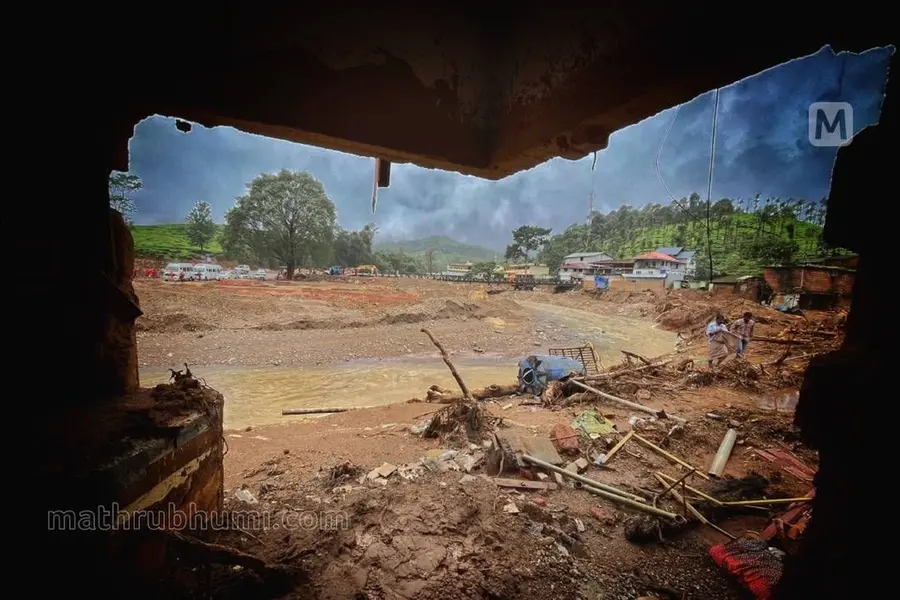
More recently, during landslides in Wayanad, members of the community played active roles in response efforts. Neethu coordinated medical supplies and media communication to counter misinformation, while Sonia pointed to the case of a transgender person who died in the landslide while living as a man at home without revealing their identity.
A blueprint for inclusive resilience
To push the initiative forward, KSDMA convened a follow-up meeting in Thiruvananthapuram on 21–22 December 2022.
The authority’s broader goal is to empower transgender communities as “champions of disaster preparedness”. The report calls for a shift from disaster planning shaped mainly by majority experiences towards a more participatory, bottom-up approach.
Key priorities highlighted include ensuring uninterrupted access to hormone therapy as a life-affirming medical necessity, providing gender-affirming facilities in relief camps, and strengthening communication networks so weather alerts reach the community directly.
It also emphasises the need to sensitise officials and volunteers to gender inclusivity in rescue and rehabilitation operations.
As KSDMA pushes for policy changes, the report describes itself as a “stepping stone to amplify unheard stories” and promote a disaster response system that recognises diverse experiences during crises.
Published: 16 Mar 2026, 04:47 pm IST
Disclaimer: Kindly avoid objectionable, derogatory, unlawful and lewd comments, while responding to reports. Such comments are punishable under cyber laws. Please keep away from personal attacks. The opinions expressed here are the personal opinions of readers and not that of Mathrubhumi.
