
As Kerala faces extreme summers and wet monsoons, a debate is brewing over the most suitable time for school vacations
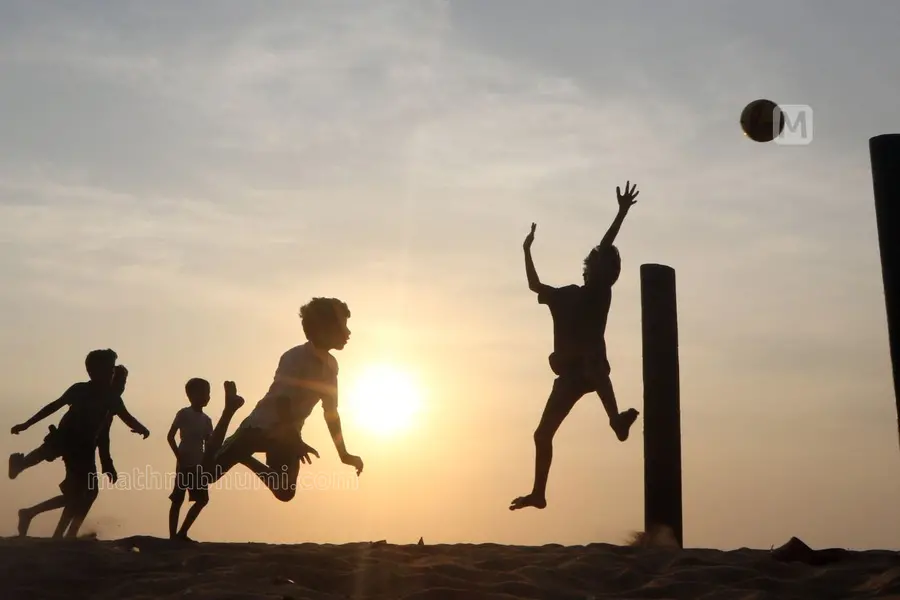
Kerala General Education Minister V Sivankutty has proposed a discussion on rescheduling the annual summer vacation for schools. The minister has clarified that his suggestion is a personal opinion and should be open to discussion. This is a welcome approach, as any changes in the education sector must be based on thorough deliberation. There is no denying that the current monsoon season has been particularly severe and hazardous, while the year’s summer was relatively mild. This observation has likely sparked the calls for change. However, decisions should not be made based on a single year’s experience. A well-informed evaluation rooted in Kerala’s long-term climate patterns and supported by scientific studies is essential before implementing any such shift.
Various grievances
The intensity of summer has been rising in recent years, making it unbearable in places like Palakkad. Attending classes drenched in sweat poses a serious challenge for students and makes teaching equally difficult for educators. The situation is particularly serious in higher secondary classes, where up to 65 students are packed into a single room. The severe shortage of drinking water in the summer cannot be ignored. Dehydration and the possibility of sunstroke are also problems. When schools operate during the peak of the rainy season, an average of at least 10 working days is typically lost to weather-related holidays. The risks of building collapses, falling trees, and exposed electric wires become real concerns. Parents also face the burden of protecting their children from rain-related hazards, including the spread of infectious diseases and the discomfort caused by noise pollution during heavy downpours. Getting children to school without them getting drenched is a daily challenge, and students often find it unpleasant to sit through classes while soaked.
Kerala is not an island
The real concern is not the weather itself, but the implications for students continuing their education after Class 12. Most higher education courses now require national-level entrance exams. For instance, students who have completed Plus Two are eligible to apply for the Common University Entrance Test (CUET UG) for admission to central universities. However, they must present a pass certificate at the time of admission. If Kerala delays its summer vacation and consequently the annual examinations, students may miss out on timely admission to these courses. At the national level, the academic year for CBSE and ICSE begins in April, with summer vacations typically scheduled from mid-May to mid- or late June, though individual states make local adjustments. In Kerala, central schools followed this schedule and began the new academic year in April. However, many private CBSE schools aligned their schedules with the state academic calendar. However, board exams for Classes 10 and 12 under CBSE are held in February, and Kerala’s state syllabus exams are traditionally completed by March. Therefore, regardless of any shift in the vacation period, changing the exam schedule is practically unfeasible.
If we look around the world, we can see a huge difference in the length of vacations and the considerations behind the vacations. In the United States, vacations vary even between districts within the country. The length of vacations can also vary from one month to three months between countries. In all cases, the climate of the area is important in determining the annual vacation. Like us, local festivals and celebrations also play a role in determining the interim vacations. Academic considerations are becoming increasingly important.
Which is intense? Summer or rain?
In Kerala’s unique climate, marked by intense summer followed by heavy rainfall, making a decision on rescheduling school vacations is far from simple. A four-month break is clearly not feasible. The only practical option would be to align vacations with periods of extreme weather. However, with the increasing unpredictability of weather patterns, even that becomes difficult to determine in advance. One thing is certain: annual vacations must be given in a continuous stretch to allow families to plan travel and other activities. It’s also important to note that summer presents a prolonged and consistent challenge, whereas rainfall is often intermittent and varies by region. Today, the ability to declare the possibility and intensity of rain district-wise almost accurately on a daily basis has developed with the help of science. Giving the power to grant leave in a particular area within a district to the panchayat or the headmaster can make this matter more precise. The possibility of children at home getting into accidents is higher during the rainy season than during the summer.
Comparatively, summer studies are more difficult than the rainy season, so it is advisable to consider summer as the annual leave. Other suggestions: To ensure a safe learning environment and productive study days and hours for children, the main consideration is to determine in advance that studies will take place until the study days are available, so that days lost due to rain can be made up. The possibility of online learning can also be considered in emergencies.
(The author is a retired District Institute of Education and Training (DIET) faculty member and author)
Published: 02 Aug 2025, 10:08 am IST
Related Topics
Disclaimer: Kindly avoid objectionable, derogatory, unlawful and lewd comments, while responding to reports. Such comments are punishable under cyber laws. Please keep away from personal attacks. The opinions expressed here are the personal opinions of readers and not that of Mathrubhumi.
