
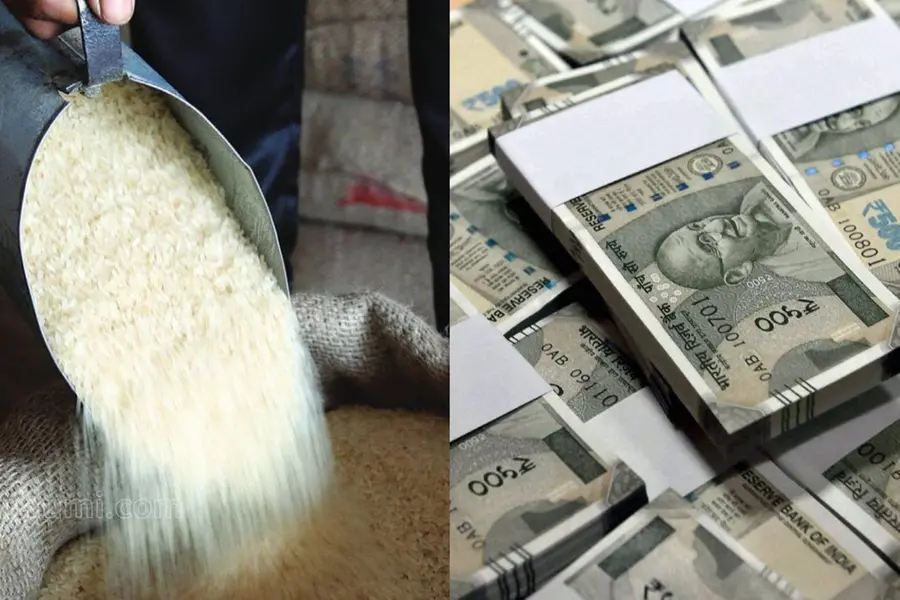
The Direct Benefit Transfer (DBT) is a government initiative aimed at ensuring that subsidies, including food security benefits, reach the intended recipients directly. In the case of ration supply, DBT plays a vital role in transferring subsidies for essential food items like rice, wheat and pulses straight to the beneficiaries' accounts, ensuring no middlemen interfere in the process.
However, Kerala is not in favour of implementing the Direct Benefit Transfer (DBT) scheme for ration supply, citing concerns over the adverse impact it could have on various groups associated with the ration distribution system. This includes ration traders, porters, and others who depend on the sector for their livelihoods. The state government has emphasised that these concerns should be carefully considered before any final decision is made.
The Central Government, on the other hand, argues that DBT offers numerous benefits aimed at improving transparency and efficiency in the delivery of government subsidies, including those for ration supply.
Let’s look into the details of DBT outlined by the Centre
How DBT works in ration supply
- Eligibility and Aadhaar linking: Beneficiaries need to link their Aadhaar card to a bank account to qualify for the DBT scheme. If an Aadhaar card is not available, alternatives such as linking to Jan Dhan accounts or mobile numbers are used to facilitate transfers.
- Transfer of subsidy: Once a person is verified as eligible through the Central Plan Scheme Monitoring System (CPSMS), the government transfers the subsidy amount directly to their linked bank account. This money is meant to cover the cost of subsidised food items available through the Public Distribution System (PDS).
- Transparency and tracking: The transfer of subsidies directly to bank accounts eliminates intermediaries, making the system more transparent. Every transaction is traceable, helping the government ensure that only eligible recipients benefit from the scheme.
- Avoiding middlemen: By removing middlemen, DBT helps prevent the misappropriation or diversion of ration supplies. This makes the process more reliable and timely, reducing corruption and inefficiencies.
Benefits of DBT in ration supply
- Enhanced transparency: The DBT system ensures the funds go directly to the beneficiaries, preventing fraud or mismanagement typically seen with intermediaries.
- Faster access: Beneficiaries receive their subsidies directly into their accounts, speeding up the process of acquiring ration items.
- Targeted assistance: Only those who meet the criteria receive the subsidies, ensuring that resources are allocated fairly and accurately.
- Reduced fraud: With no third-party involvement, the risk of ration theft or diversion is minimized.
- Financial inclusion: DBT facilitates the inclusion of rural and underserved populations by linking them to financial systems and ensuring they receive their entitled benefits.
Published: 25 Jan 2025, 04:29 pm IST
Related Topics
Disclaimer: Kindly avoid objectionable, derogatory, unlawful and lewd comments, while responding to reports. Such comments are punishable under cyber laws. Please keep away from personal attacks. The opinions expressed here are the personal opinions of readers and not that of Mathrubhumi.
