
The issue has boiled over again after CPM Central Committee member E.P. Jayarajan publicly supported the idea. KPCC President Sunny Joseph had earlier made a similar demand.
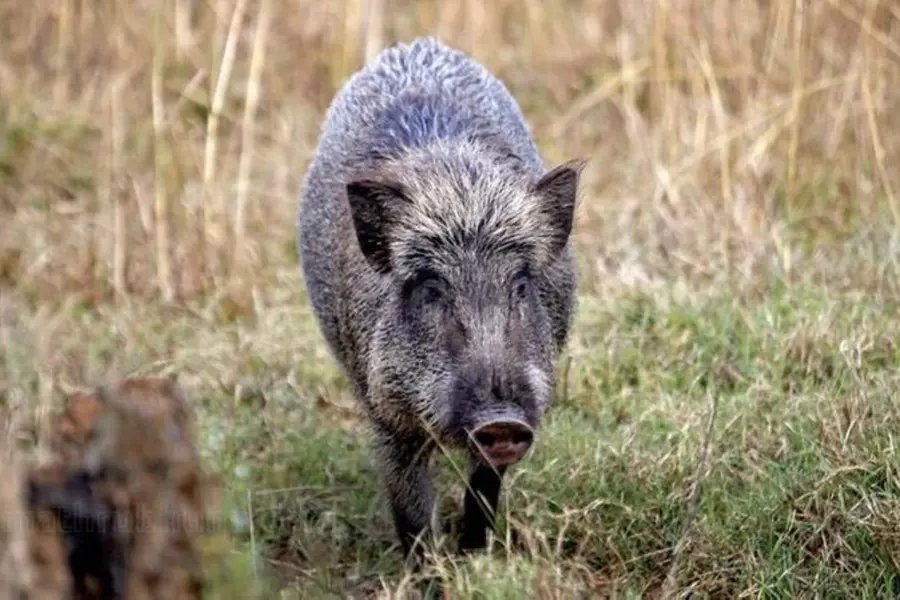
Kannur: If wild boars that come into the villages are shot dead, should they be buried or eaten? This has been the long-standing demand of high-range farmers who are exhausted by wild boar invasions — that the meat should be made available for consumption. The issue has boiled over again after CPM Central Committee member E.P. Jayarajan publicly supported the idea.
KPCC President Sunny Joseph had earlier made a similar demand. His argument, made during a speech in the UDF’s high-range march, was that instead of pouring kerosene and burying the carcass, it should be cooked with coconut oil.
E.P. Jayarajan made his demand during a farmers’ rally organised by the All India Kisan Sabha. Though both parties have taken similar positions with the goal of appealing to high-range populations, farmers are hopeful.
The central government has not yet considered Kerala's demand to declare wild boars as vermin. The Congress party’s stance is that the state government itself can take action. However, the CPM explains that central laws are the real barrier to such steps. Christian churches have also repeatedly demanded stricter action.
Is it a sin to eat after killing?
According to the Wildlife Protection Act, wild boars are listed in Schedule II. The Chief Wildlife Warden can authorize village panchayat presidents and secretaries to issue orders to shoot them. After killing, the forest department must be informed. Once inspections are completed, the carcass must be buried with kerosene. Though killing is permitted under these provisions, the law does not allow the meat or any part of the animal to be used for any purpose. Amendments to this must be considered by the central government.
Criminal Offense
Recently, the situation has reached a point where open calls are being made to shoot and kill wild animals due to increased human-wildlife conflict. The most dangerous development is the attempt to use this conflict as a vote-bank strategy.
T.P. Padmanabhan, Director, Society for Environmental Education in Kerala (SEEK)
Published: 24 May 2025, 05:52 pm IST
Related Topics
Disclaimer: Kindly avoid objectionable, derogatory, unlawful and lewd comments, while responding to reports. Such comments are punishable under cyber laws. Please keep away from personal attacks. The opinions expressed here are the personal opinions of readers and not that of Mathrubhumi.
