
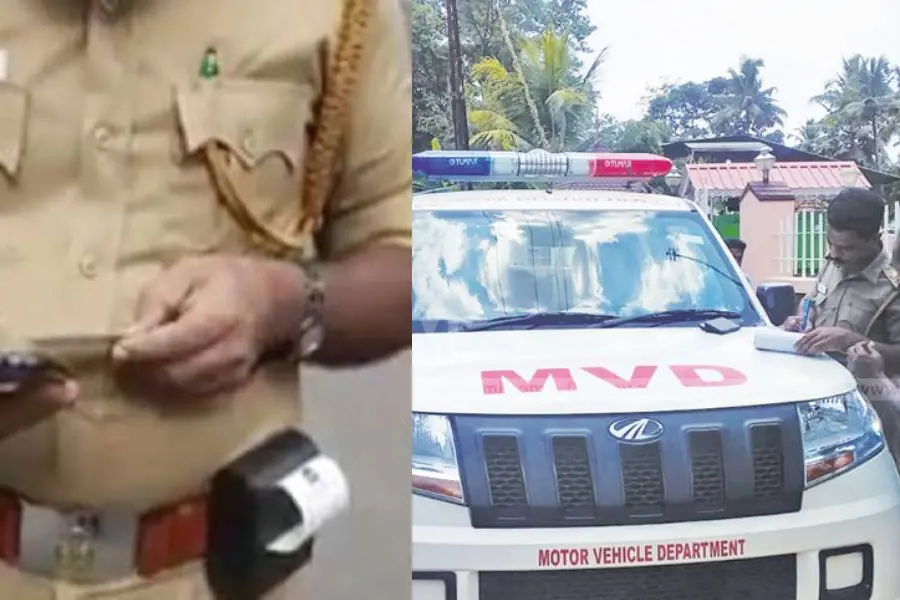
Thiruvananthapuram: The technical glitches and complexities of the 'Vahan-Sarathi' software of the Kerala Motor Vehicle Department (MVD) have left many applicants in the dark. The online platform was launched in 2020 to digitalise services offered by MVD.
Meanwhile, a flash inspection conducted by the vigilance unit in various RT offices in Kerala revealed that officials are receiving bribes through GooglePay and other UPI payment apps from agents. Strict action will be taken if the officials are found guilty of receiving the bribe, informed vigilance. The vigilance unit also seized applications filed with certain identification marks to differentiate those submitted by agents. Further, vigilance seized around Rs 1.25 lakh paid to officials via online payment apps.
The online portal was launched with an aim to curb corruption and avoid applicants from physically appearing in RT offices to avail of various services. However, the complexities of the user interface and glitches in the payment portal often left the applicant at the mercy of officials in RT offices. Despite measures, the software continues to underperform. Further, the transport commissioner and even the minister are aware of the condition of the software which was launched in 2020.
The applicants have been facing several flaws while linking Aaadhar and using the 'Faceless' system’ which promises virtual service. It is learnt that applicants are often losing money due to glitches in the payment gateway, and other issues continued to remain unresolved. Further, complaints were raised against Vahan-Sarathi software for not supporting many popular web browsers.
Desperate and unable to use online services, the applicant is often forced to rely on agents to fulfil their needs. This eventually led to corruption. National Informatic Centre(NIC) that developed the software says that the system is designed as per the needs of the state government.
It was alleged that the cranky user interface and complexities in the submission of documents in software are aimed to resist applicants from pursuing online modes and continue to rely on RT offices.
Published: 05 Sept 2022, 02:17 pm IST
Related Topics
Disclaimer: Kindly avoid objectionable, derogatory, unlawful and lewd comments, while responding to reports. Such comments are punishable under cyber laws. Please keep away from personal attacks. The opinions expressed here are the personal opinions of readers and not that of Mathrubhumi.
