
In earlier instances, the Oommen Chandy government had waived additional revenue to ease the impact of fuel price hikes. The first Pinarayi Vijayan government also reduced it once.
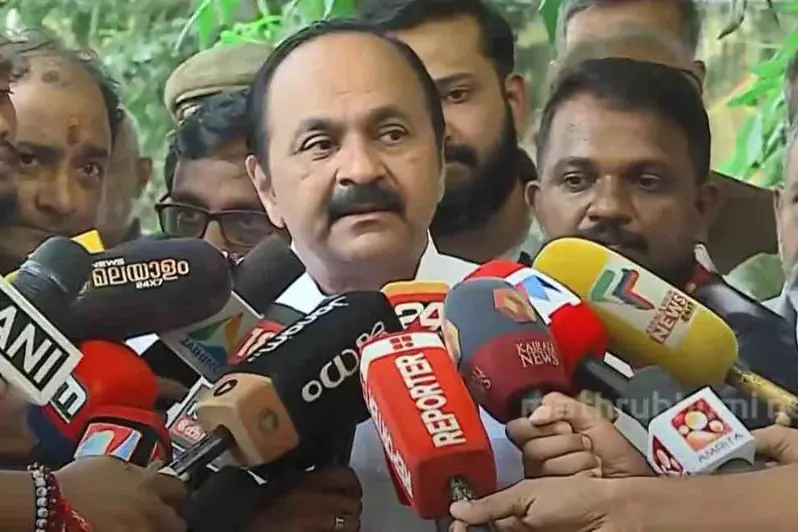
Amid rising fuel prices and higher tax inflows, attention is centred on whether the upcoming V.D. Satheesan-led government in Kerala will move to cushion the burden on consumers, as earlier Pinarayi Vijayan and Oommen Chandy administrations had done during similar price pressures.
A ₹3 per litre rise in petrol and diesel prices, following a hike by Union government-run oil marketing companies, is expected to generate an additional ₹421 crore annually for Kerala through sales tax.
Of this, an extra 91 paise per litre on petrol and 69 paise per litre on diesel is reaching the state exchequer.
Official estimates show annual sales of around 190 crore litres of petrol and 360 crore litres of diesel in Kerala.
Based on this volume, additional revenue is projected at ₹173 crore from petrol and ₹248 crore from diesel.
Earlier relief moves and current discussions
Kerala Chief minister designate V.D. Satheesan has said discussions are ongoing with officials on possible steps to reduce the burden on the public.
In earlier instances, the Oommen Chandy government had waived additional revenue to ease the impact of fuel price hikes. The first Pinarayi Vijayan government also reduced it once.
Since then, despite fluctuations in fuel prices, including both increases and decreases, the state government has not waived the additional revenue component.
Tax structure and revenue composition
The current sales tax rate remains 30.08% for petrol and 22.76% for diesel, unchanged for the past ten years.
In 2024, a reduction in Union excise duty led to a price drop in Kerala of ₹2.41 per litre for diesel and ₹1.36 per litre for petrol.
During the LDF government’s tenure, an additional ₹1 per litre sales tax was introduced for KIIFB revenue, along with a ₹2 per litre cess for welfare pensions.
The UDF had staged major protest strikes against these measures. Both the additional tax and cess remain in force.
The cess continues to be a factor in overall fuel price levels in the state.
Recent increases in central fuel duties have been made in categories that are not shared with states, meaning Kerala has not received additional revenue from those specific hikes.
Published: 16 May 2026, 12:16 pm IST
Related Topics
Disclaimer: Kindly avoid objectionable, derogatory, unlawful and lewd comments, while responding to reports. Such comments are punishable under cyber laws. Please keep away from personal attacks. The opinions expressed here are the personal opinions of readers and not that of Mathrubhumi.
