
Kerala girl’s rabies death sparks renewed questions over vaccine efficacy, cold chain, and treatment protocol.
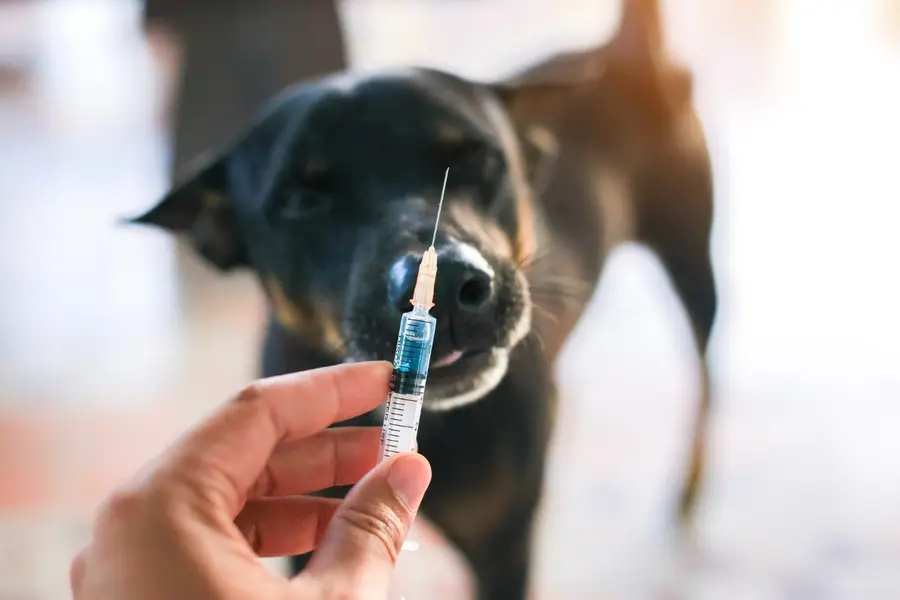
The death of a seven-year-old girl in Kerala following a stray dog bite has triggered widespread concern over the effectiveness of the rabies vaccine and related treatment protocols. Despite receiving the anti-rabies vaccine, the girl succumbed to the virus, prompting questions about the current medical approach and the safety of the vaccine being administered.
Rising rabies toll despite vaccinations
Kerala has reported 12 rabies-related deaths so far in 2025, compared to 22 in 2024 and 17 in 2023. These fatalities are primarily attributed to bites from stray dogs, cats, and even bats. Rabies, which spreads through the saliva of infected animals, affects the central nervous system and becomes fatal once symptoms develop. The persistence of deaths despite timely vaccination has deepened public anxiety and exposed systemic gaps.
Scrutiny on vaccine effectiveness and handling
Medical experts have voiced concern that the rabies vaccine may not be effective in all cases. While the vaccine is designed to block the virus from reaching the brain, its efficacy depends on factors such as proper wound care, timely administration, and strict cold chain maintenance. Concerns have emerged about whether vaccines are being consistently stored and transported at the recommended 2°C to 8°C, particularly under Kerala’s weather conditions.
Rabies immunoglobulin (RIG) crucial for survival
Experts underscore the importance of rabies immunoglobulin (RIG), especially in severe cases. RIG provides immediate localised protection at the wound site before the vaccine takes effect—typically after two weeks. Without RIG, the virus may progress to the nervous system, nullifying the vaccine's protection and leading to fatal outcomes.
Government steps to address repeated deaths
In response to recurring rabies deaths despite vaccination, the Kerala government had previously set up an expert committee to investigate the matter. The panel’s work involves assessing vaccine quality, reviewing treatment protocols, and verifying whether RIG is being administered alongside vaccines where necessary. The monitoring of vaccine safety and cold chain practices has now taken centre stage in the state's public health discussions.
Types of rabies treatment explained
Rabies prophylaxis includes two approaches:
Pre-exposure prophylaxis (PrEP): Provided to high-risk groups like veterinarians and animal handlers to build immunity in advance.
Post-exposure prophylaxis (PEP): Administered following a bite or scratch, involving multiple doses of the vaccine and, when required, RIG for immediate antibody support.
Public confidence shaken
Despite the availability of free anti-rabies vaccines at government hospitals, repeated deaths have unsettled the public. The case of the young girl, who died even after receiving timely vaccination, has deepened fears surrounding rabies vaccine reliability and raised urgent concerns about the state’s treatment protocols and cold chain management.
Published: 05 May 2025, 08:25 am IST
Related Topics
Disclaimer: Kindly avoid objectionable, derogatory, unlawful and lewd comments, while responding to reports. Such comments are punishable under cyber laws. Please keep away from personal attacks. The opinions expressed here are the personal opinions of readers and not that of Mathrubhumi.
