
The deadly Thrissur firecracker blast that killed over a dozen workers has reignited concerns over safety, noise, and pollution. Experts suggest eco-friendly alternatives like cold spark systems for safer celebrations.
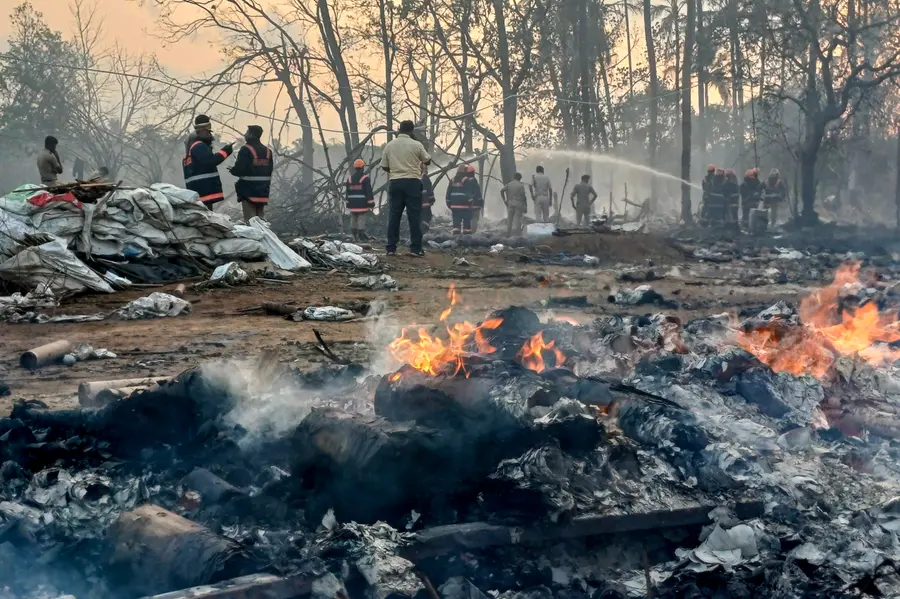
The use of gunpowder at high decibel levels, exceeding legally permitted limits, leads to accidents, air pollution, noise pollution, and public health issues. Since fireworks are an integral part of festivals, instead of imposing a ban, environmentally friendly alternatives that preserve their visual appeal must be explored. “Cold spark” systems used in television shows and crowded public events are a good example of such alternatives.
Cold spark technology can create stunning visual spectacles without explosions, smoke, or excessive noise. For a new generation growing up with digital technology, such modern alternatives are likely to be more appealing than traditional, ear-splitting fireworks. Arranged in lines or circular patterns, cold spark systems can produce visuals that surpass those of conventional fireworks.
Also read | From Sabarimala 1952 to Mundathikode 2026: Deadly firecracker tragedies in Kerala
Programmed spark fountains can create effects resembling waves or blossoming flowers without polluting the air or producing harsh odours. When installed on elevated platforms, they can be viewed from a distance as well. Replacing the loud, explosive fireworks traditionally synchronised with percussion performances with these systems can help preserve rituals while eliminating noise pollution and smoke.
Cold spark systems are also economically viable and easy to implement locally. Unlike more complex technologies such as drones or lasers, they can be adopted with relative ease, creating new employment opportunities by training youth and members of community groups like Kudumbashree. These changes should ideally be introduced in phases, initially experimenting alongside traditional fireworks to build public interest, and eventually transitioning fully.
Also read | Thrissur fireworks blast: Survivor recalls seconds before explosion as 14 killed, ‘I saw a flash...’
The impact of high-decibel fireworks is severe. Sudden and repeated noise exposure can disrupt the sleep cycles of newborns and trigger stress responses. Thrissur, the cultural capital of Kerala, can lead such progressive changes. If corporations, cultural institutions, and local communities work together, it is possible to create a new model where tradition and modernity coexist in harmony. This could emerge as a nationally relevant example that is both environmentally sustainable and socially responsible.
(The author is the Vice Chairman of the Higher Education Council.)
Published: 22 Apr 2026, 08:00 am IST
Related Topics
Disclaimer: Kindly avoid objectionable, derogatory, unlawful and lewd comments, while responding to reports. Such comments are punishable under cyber laws. Please keep away from personal attacks. The opinions expressed here are the personal opinions of readers and not that of Mathrubhumi.
