
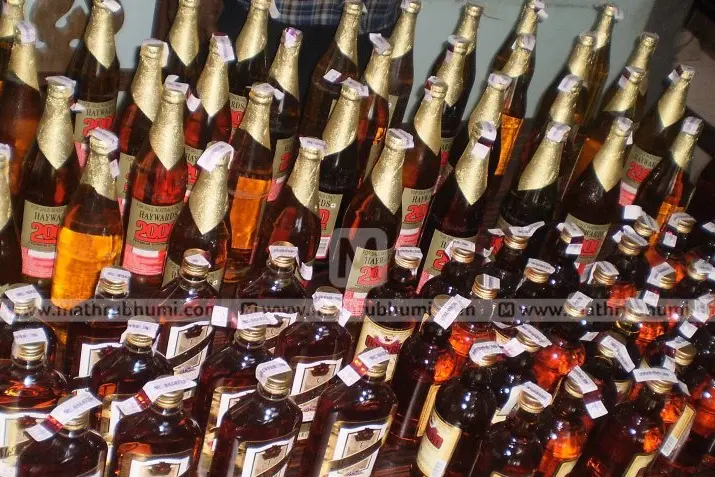
Thiruvananthapuram: Kerala’s new liquor policy has introduced several changes, including more production units for Indian-made foreign liquor and beer within the state. The policy allows for the establishment of distilleries, breweries, and spirit manufacturing units, with a particular focus on reducing dependency on other states for liquor production.
The new policy justifies the permission granted to the controversial liquor manufacturing center in Elappully, Palakkad. It allows qualified centers like Elappully to apply for the establishment of breweries and distilleries. The second Pinarayi government has worked to clarify and include these provisions in the liquor policy after initial confusion in the first term regarding distillery permissions.
The new liquor policy builds on the previous year’s guidelines, officially allowing the establishment of distilleries and units for manufacturing extra neutral alcohol (spirits). Additionally, the policy now permits liquor service in industrial parks, following a similar permission granted to IT parks in the 2022-23 policy.
New liquor permits and concessions
The state government has also introduced several concessions under the new policy. A special one-day permit system has been introduced to allow liquor service on dry days. Hotels with three stars or more, along with heritage and classic resorts, can apply for a one-day permit to serve liquor on the first day of the month for business meetings, international conferences, and other gatherings. No permission is granted on other dry days.
A fee of ₹50,000 is required for this permit, which must be applied at least seven days in advance.
The policy also allows more liquor manufacturing units, like the one in Elappully, to be established. Spirit manufacturing units, breweries, and distilleries are now authorised, and a concession has also been given on the condition that horticultural wines should be sold only through the Beverages Corporation.
Export and QR code mandates
As part of the new policy, the Beverages Corporation has been granted permission to export liquor to Lakshadweep, though tax on exported liquor will be increased. Additionally, QR codes will be made mandatory on all liquor bottles sold by the Beverages Corporation to improve tracking and transparency.
Toddy and cruise liquor regulations
The policy also addresses the export of palm wine (toddy), allowing bottled palm wine to be exported following the Toddy Board’s request. However, the demand to reduce the distance limit between toddy shops and places of worship and schools from 400 meters to 150 meters was not accepted. The policy also plans to revise the current limit on the daily sapping from a coconut tree, currently capped at two liters.
In a move to boost tourism, the new policy permits serving of liquor on luxury cruises. The Nefertiti Cruise has already been granted special permission for this.
Changes for bars and IT parks
Bars in Kerala will no longer need prior approval from the Excise Department to reorganise their partnership or board of directors; instead, they simply need to inform the department within a month. A fine will be imposed if there is a delay in notifying. However, the proposal to extend bar operating hours by one hour at night was not accepted.
Lastly, the new policy clarifies the rules for liquor service in IT and industrial parks, allowing for the serving of alcohol in these locations. Although this was announced in the previous liquor policy, it had not been implemented due to a lack of regulations. Controversy remains over the decision to outsource liquor shops in IT parks, with a final decision still pending.
Published: 10 Apr 2025, 10:09 am IST
Related Topics
Disclaimer: Kindly avoid objectionable, derogatory, unlawful and lewd comments, while responding to reports. Such comments are punishable under cyber laws. Please keep away from personal attacks. The opinions expressed here are the personal opinions of readers and not that of Mathrubhumi.
