
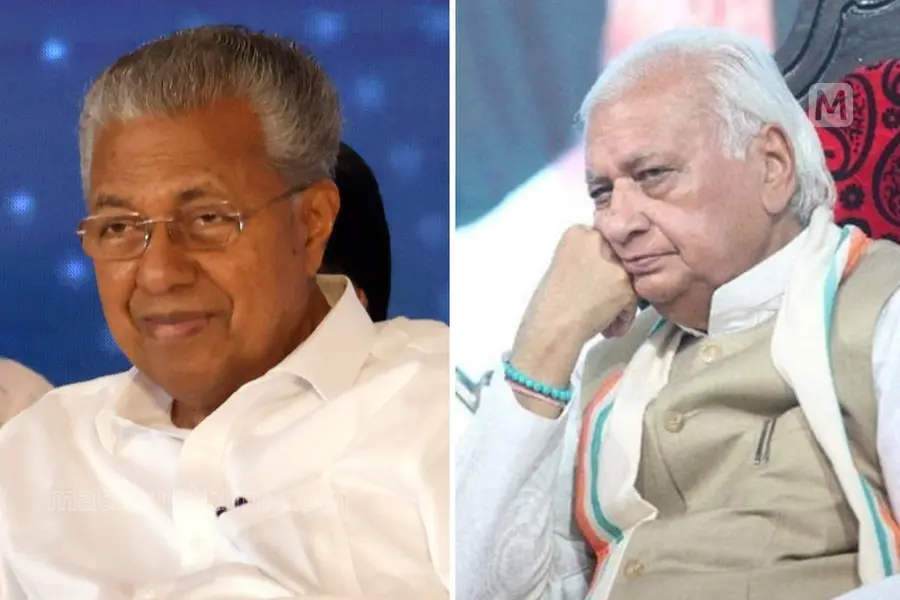
Thiruvananthapuram: President Droupadi Murmu has approved Kerala’s controversial Lok Ayukta amendment bill. Now, governor Arif Mohammed Khan will be forced to sign the bill which will allow the state government to exercise considerable control over the Lok Ayukta.
The governor had refused to sign the bill stating that the amendment is against the basic principles of judicial system. Through the amendment, the state government, with an ample majority, will be able to review the corruption charges slapped on them by various agencies.
However, it is now known if the central home ministry had issued a letter to the president with a recommendation to approve the bill citing similar clauses in the union Lokpal bill. The bill approved by the president has been forwarded to the Raj Bhavan. With the governor signing it, the bill shall become a law.
The existing Lok Ayukta rule is that a public worker shall resign from his post if corruption charges against him are proved. Through the latest bill amendments are being done to sections 12 and 14 of this particular law.
As a result, going ahead, corruption charges against the CM will be reviewed by the legislative assembly and in turn, graft charges against cabinet colleagues shall be reviewed by the chief minister.
Similarly, the charges against the MLAs will be reviewed by the speaker.
The amendment bill was initiated at a time when social activist RS Sasi Kumar had filed a case at the Lok Ayukta alleging that the diversion of CMRF funds for giving financial aid to families of the leaders of the ruling party under various circumstances amounts to corruption.
If you remember, the governor had signed the ordinance initially, however, then the power of reviewing the Lok Ayukta verdict rested with him on papers. However, when the bill was presented in the legislative assembly, the power was transferred to the CM and the assembly members. Due to this, the governor refrained from signing the bill.
The Kerala government had approached the supreme court against the governor’s reluctance to approve several bills, including the particular amendment bill. Later on, the bill was forwarded to the president’s office.
Published: 29 Feb 2024, 07:44 am IST
Related Topics
Disclaimer: Kindly avoid objectionable, derogatory, unlawful and lewd comments, while responding to reports. Such comments are punishable under cyber laws. Please keep away from personal attacks. The opinions expressed here are the personal opinions of readers and not that of Mathrubhumi.
