
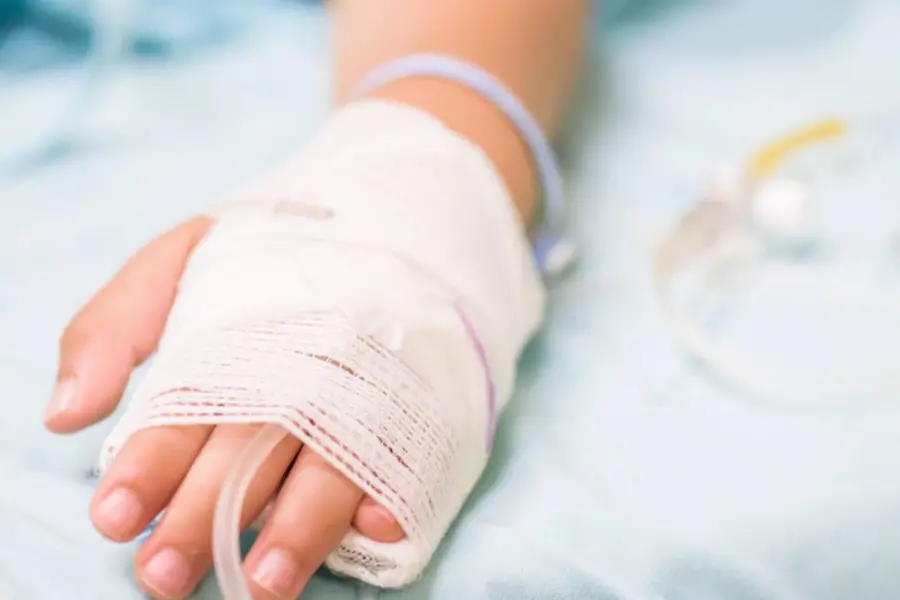
Kozhikode: A 14-year-old boy from Thikkodi, Kozhikode, who has been receiving treatment for amoebic meningitis, will be discharged from hospital on Monday.
The child has made a full recovery, according to Dr Abdul Rauf, Head of the Pediatric Intensive Care Department at Baby Memorial Hospital.

The second fluid sample taken from the boy and sent for a PCR test in Pondicherry has returned negative.
The boy was admitted for treatment within 24 hours of displaying symptoms. This news comes as a relief following the recent death of another 14-year-old boy from Kozhikode due to the same illness. Additionally, Kerala has recorded two other deaths related to amoebic meningoencephalitis in the past two months: a five-year-old girl from Malappuram on May 21 and a 13-year-old girl from Kannur on June 25.
Amoebic meningoencephalitis
Amoebic meningoencephalitis, a rare disease contracted through contact with stagnant or flowing water sources, was previously reported in coastal Alappuzha district in 2023 and 2017.
Amoebic meningoencephalitis is caused by Naegleria fowleri, an amoeba that infects the brain when contaminated water enters through the nasal passage. The disease manifests in two primary forms: Primary amoebic meningoencephalitis (PAM) and granulomatous amoebic encephalitis (GAE). PAM progresses rapidly, leading to inflammation, cerebral edema, and potentially fatal complications within days, while GAE develops more gradually, often through inhalation or skin contact.
It is important to note that this disease is not transmissible between humans. Symptoms, which include severe headache, fever, nausea, vomiting, and difficulty moving the neck, typically appear within one to nine days of infection. Diagnosis involves testing spinal fluid. Individuals bathing in stagnant water are advised to promptly report symptoms and seek medical attention.
Published: 21 Jul 2024, 01:07 pm IST
Related Topics
Disclaimer: Kindly avoid objectionable, derogatory, unlawful and lewd comments, while responding to reports. Such comments are punishable under cyber laws. Please keep away from personal attacks. The opinions expressed here are the personal opinions of readers and not that of Mathrubhumi.