
The Kerala Health Department will conduct a statewide chlorination and water tank cleaning drive on Aug 30–31 to prevent amoebic encephalitis.
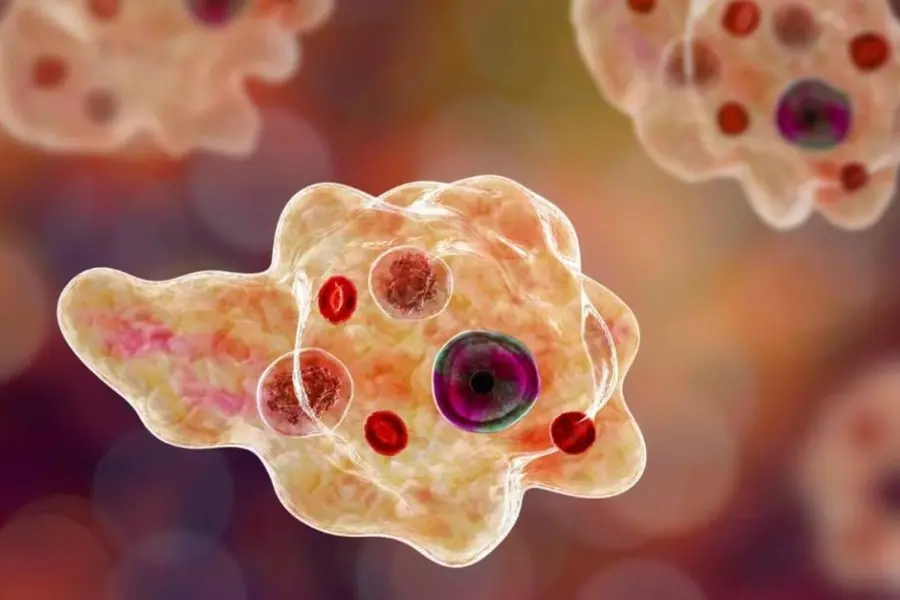
Thiruvananthapuram: Kerala Health Minister Veena George on Monday said the Kerala Health Department will roll out a statewide public campaign later this month to address the rising cases of amoebic encephalitis.
All wells and water storage tanks in homes and institutions must be chlorinated and cleaned on August 30 and 31, she said. The campaign, led by local self-government bodies, the Haritha Keralam Mission and the Water Resources Department, will involve health workers and other government agencies.
The decision followed a review meeting chaired by Chief Minister Pinarayi Vijayan. A high-level meeting of the Health Department, chaired by the minister, was also held to assess the situation.
This year, 41 cases of amoebic encephalitis have been reported in Kerala, with 18 currently active. Infections have been detected in Thiruvananthapuram, Kollam, Kozhikode, Wayanad and Malappuram districts.
The minister directed that hospitals ensure the availability of medicines and instructed health workers to inspect drinking water sources. Resorts, hotels, water theme parks and swimming training centres will be required to chlorinate water and maintain prescribed chlorine levels. Those violating the same will face action under the Public Health Act.
Public ponds, lakes and other water bodies will also be cleaned, with algae and accumulated waste removed under the supervision of local bodies.
Health officials advised those entering water bodies to take the anti-leprosy drug doxycycline as a preventive measure, under the guidance of health workers.
Awareness campaigns will be intensified after the Onam holidays, with training provided to teachers and students. Warning boards will be installed near water bodies where amoeba have been detected.
Prevention guidelines issued by the Health Department include:
- Avoid jumping or diving into stagnant, untreated water.
- Use a nose plug or hold the nose shut while swimming.
- Keep the head above water in untreated sources.
- Do not stir the mud or the bottom of ponds and lakes.
- Ensure proper chlorination and maintenance of swimming pools, water parks and spas.
- Prevent water from sprinklers or hoses from entering the nose.
- Do not pour unboiled or untreated water into the nose of children or adults.
- Prevent waste from homes and institutions from flowing into public water bodies.
- Clean water reservoirs and large tanks are used for storage every three months.
Published: 25 Aug 2025, 08:20 pm IST
Disclaimer: Kindly avoid objectionable, derogatory, unlawful and lewd comments, while responding to reports. Such comments are punishable under cyber laws. Please keep away from personal attacks. The opinions expressed here are the personal opinions of readers and not that of Mathrubhumi.
