
Thiruvananthapuram: Another case of encephalitis has been confirmed in Thiruvananthapuram district.
A 24-year-old woman from the Navaikulam area was diagnosed with the amebic meningoencephalitis. The woman, who is currently receiving treatment at Thiruvananthapuram Medical College, had her diagnosis confirmed after receiving fluid test results yesterday.
Also Read

It is suspected that the woman contracted the infection after bathing in a pond near her home. This latest case brings the total number of confirmed encephalitis cases in the district to seven.
With the disease now confirmed in Kallambalam as well, the pathogen has been detected in three areas of the district: Neyyattinkara, Kannaravila, and Peroorkada. The health department has issued warnings, particularly in city areas, where cases of amebic encephalitis have also been confirmed. Residents are advised to avoid using water from stagnant or contaminated water bodies.
The health department has raised awareness about the severity of encephalitis.They also urge people to be cautious when using water from various sources, particularly stagnant or untreated water bodies, to prevent further spread of the disease.
What is amebic meningoencephalitis?
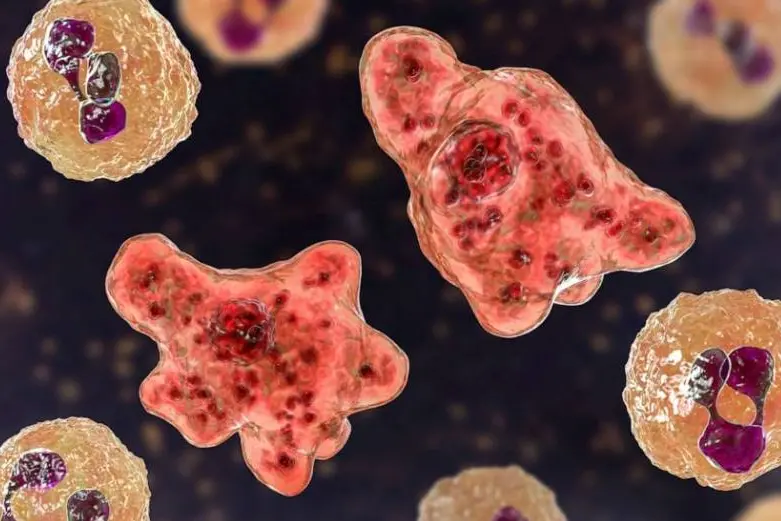
Amebic meningoencephalitis is an extremely rare central nervous system (CNS) infection caused by a type of free-living amoeba called Naegleria fowleri, also known as ‘brain-eating amoeba'. This disease is not transmitted from human to human.
The amoeba is found in soil and in ponds, rivers, streams, unchlorinated swimming pools and stagnant water. When the body is exposed to stagnant water, the amoeba enters the human body through the nose and causes encephalitis, seriously affecting the brain.
Amebic meningitis typically appears in two forms: primary amebic meningoencephalitis (PAM) and granulomatous amebic encephalitis (GAE).
PAM progresses rapidly when water containing the amoeba enters the nasal passage, allowing it to migrate to the brain, causing inflammation, cerebral edoema and potentially fatal complications within days. Initial symptoms include fever, headache, vomiting and sensitivity to light, primarily affecting healthy adolescent males during warm months.
In contrast, GAE, more common in adults, develops over a longer period, often through inhalation or skin contact, with symptoms such as fever, headache, altered mental status or seizures appearing over weeks to months.
Symptoms
Symptoms appear within one to nine days of the infection. The primary symptoms include:
- severe headache
- Fever
- Nausea and vomiting
- Neck stiffness and pain
- Symptoms like epilepsy, loss of consciousness, and memory loss can be experienced in critical situations.
The infection is diagnosed by examining the fluid around the spinal cord.
Preventive measures
- Avoid bathing in unhygienic, stagnant water.
- Avoid nasal irrigation with unclean water.
- Only enter properly chlorinated swimming pools.
Published: 12 Aug 2024, 03:35 pm IST
Related Topics
Disclaimer: Kindly avoid objectionable, derogatory, unlawful and lewd comments, while responding to reports. Such comments are punishable under cyber laws. Please keep away from personal attacks. The opinions expressed here are the personal opinions of readers and not that of Mathrubhumi.