
Metro Man E Sreedharan criticizes Kerala govt`s K-Rail plan and delays in his proposed high-speed rail project
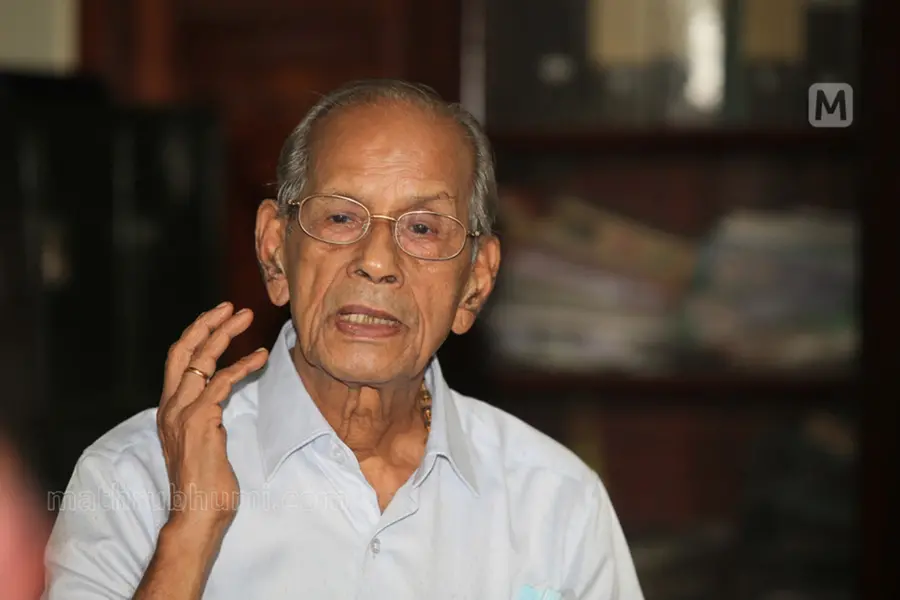
Thiruvananthapuram: Metro Man E Sreedharan on Friday expressed dissatisfaction over delays and policy shifts by the state government regarding Kerala’s high-speed rail project. He said the proposal he had put forward was a high-speed rail corridor from Thiruvananthapuram to Kannur, and dismissed claims that he was responsible for stalling the project as incorrect.
Sreedharan said it was the CPM that had originally initiated the idea of a high-speed rail project. A study report prepared by Japanese experts in 2010 had found that a high-speed rail system was feasible in Kerala and would be accepted by the public. Based on this, he submitted a Detailed Project Report (DPR) in 2016. However, citing the high cost, the state government backed out of the project and instead moved ahead with the K-Rail plan, he said at a press conference.
He had repeatedly pointed out the technical and practical flaws in the K-Rail project through letters to the Chief Minister at every stage. With public hardships related to K-Rail and complaints including police lathi charges, it had become clear that the project would not move forward. It was at that point that he wrote again to the Chief Minister who inturn invited him for discussions and expressed complete satisfaction with his suggestions, Sreedharan said.
He added that he had requested the Chief Minister to send a letter to the Union Railway Ministry regarding the change in the project. The Chief Secretary and Biju Prabhakar IAS had also met him and held discussions. Despite agreeing to send the letter, the state government took no action even after 10 months, he alleged.
It was due to the delay by the state that he personally met the Union Railway Minister to explain the necessity of the project. Although around ₹100 crore had already been spent on preparing reports for K-Rail, there was no outcome, he said, adding that preparing a DPR for the new project would cost only about ₹12 crore. Since the required data was already available, he told the Centre that it would be appropriate for DMRC to conduct the study and that the report could be prepared within eight to nine months.
Sreedharan pointed out that high-speed rail is more suitable for Kerala than the rapid rail project announced by the state government, and that there is a significant difference in speed between the two. While the average speed of high-speed rail would be over 200 km per hour, rapid rail would operate at only 70–75 km per hour.
If implemented, the project would help reduce road congestion and lower the number of deaths due to road accidents, he said. It would also help cut carbon emissions and save time. Railways being a subject under the Union government, he said the project could move forward in line with the Centre’s position even if the state government does not cooperate. He added that the funding plan envisages 30 per cent each from the Centre and the state, with the remaining 40 per cent to be raised through bonds.
Published: 30 Jan 2026, 01:07 pm IST
Disclaimer: Kindly avoid objectionable, derogatory, unlawful and lewd comments, while responding to reports. Such comments are punishable under cyber laws. Please keep away from personal attacks. The opinions expressed here are the personal opinions of readers and not that of Mathrubhumi.
