
At the Bhadohi Carpet Expo, Uttar Pradesh Chief Minister Yogi Adityanath downplayed the impact of US tariffs on Indian exports
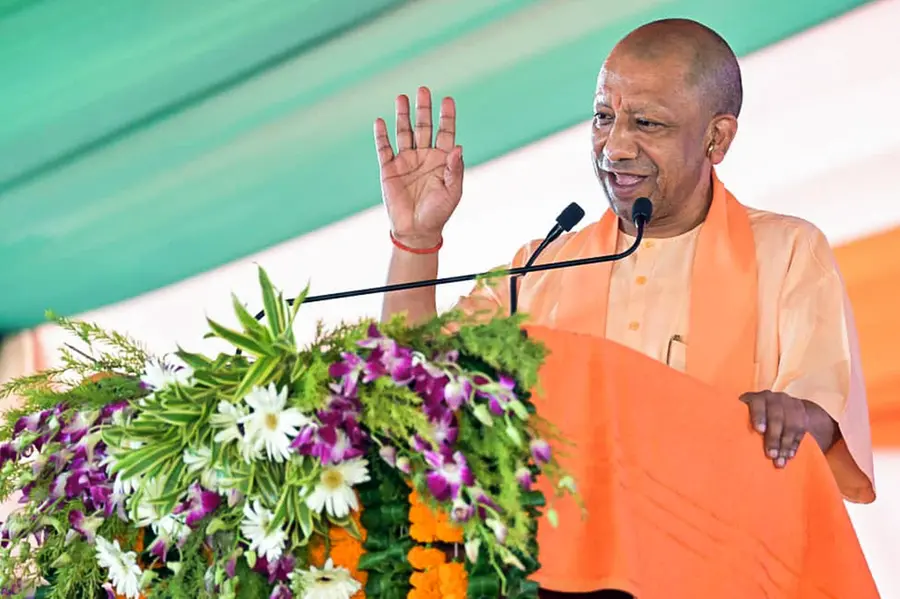
Uttar Pradesh: Speaking at the International Kaleen Mela and the 4th Carpet Expo in Bhadohi, Chief Minister Yogi Adityanath told entrepreneurs and exporters not to “fear US tariffs”, asserting that his government would open trade with 10 new nations to offset any losses.
The remarks, delivered with characteristic confidence, were accompanied by an announcement of a high-level committee to monitor the effects of Washington’s tariff policies on the carpet industry.
Also Read

However, the timing and tone of the statement have raised eyebrows, coming years after India found itself at the losing end of trade negotiations during the Trump administration — a period when Prime Minister Narendra Modi’s public camaraderie with Donald Trump did little to shield Indian exporters from punitive duties.
Adityanath’s comments suggest a continued attempt to project self-reliance under the ‘Atmanirbhar Bharat’ banner, even as exporters grapple with tightening margins and shifting global trade dynamics. The CM’s vow to “open trade with 10 new countries” seemed more aspirational than operational, given that India has yet to secure favourable trade terms with major partners, including the European Union and the United States.
“The US has imposed tariffs, but that is just one country’s decision,” Adityanath said, noting that India is pursuing free trade agreements with nations such as the UAE and the UK. Yet, experts point out that such negotiations often take years to bear fruit, and do little to mitigate the immediate blow felt by local industries like Bhadohi’s carpets — one of India’s oldest and most labour-intensive exports.
Highlighting the industry’s significance, Adityanath reminded the audience that the carpet sector employs around 25–30 lakh people and contributes roughly Rs 17,000 crore annually in exports. He praised government schemes like One District One Product (ODOP) for revitalising traditional crafts, though critics note that most small-scale artisans remain vulnerable to global market shocks.
Despite the government’s optimism, Bhadohi’s exporters remain concerned. Alok Barnwal, a leading exporter, cited a shortage of skilled weavers and rising labour migration as persistent challenges. Adityanath responded that the state is linking the carpet sector with women and local workers to boost self-reliance.
The CM’s rhetoric of turning “challenges into opportunities” echoed the broader political narrative of the Modi government’s economic nationalism — a slogan that often promises resilience but rarely acknowledges the structural imbalances left unresolved by years of erratic trade policy.
(With agency inputs)
Published: 11 Oct 2025, 07:32 pm IST
Disclaimer: Kindly avoid objectionable, derogatory, unlawful and lewd comments, while responding to reports. Such comments are punishable under cyber laws. Please keep away from personal attacks. The opinions expressed here are the personal opinions of readers and not that of Mathrubhumi.