
Veteran Telugu actor Kota Srinivasa Rao, known for his diverse roles in over 750 films, passed away at 83
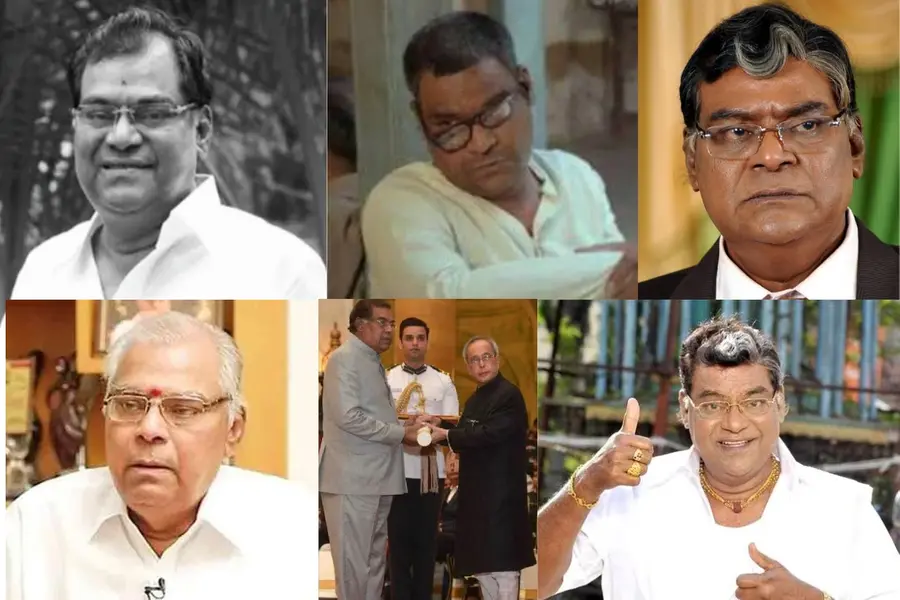
Kota Srinivasa Rao, one of Telugu cinema’s most enduring actors and a former legislator from Andhra Pradesh, passed away on 11 July 2025 at the age of 83, ending a career that spanned over four decades and more than 750 films.
Who was Kota Srinivasa Rao?
Kota Srinivasa Rao was a renowned Indian actor and politician, best known for his extensive work in Telugu cinema, as well as in Tamil, Kannada, Malayalam, and Hindi films. Born in 1942 in Andhra Pradesh, he began his professional journey in the arts during the 1970s, eventually becoming a fixture in South Indian cinema for his roles as a villain, comic character, and supporting actor.
Over his four-decade-long career, he acted in over 750 films, known for his distinctive voice, commanding screen presence, and the ability to shift effortlessly between intense, dramatic, and humorous roles. His contribution to cinema earned him the Padma Shri, India's fourth-highest civilian honour, and multiple Nandi Awards.
When and how did he pass away?
Kota Srinivasa Rao passed away in the early hours of Thursday, 11 July 2025, at around 4 AM, at his residence in Hyderabad, reportedly due to age-related health complications. He was 83 years old at the time of his death.
What were some highlights of his acting career?
Kota was widely respected for bringing depth to every role he took on—be it a ruthless antagonist, a humorous side character, or a wise elder. Some of his most iconic performances were in films such as:
- Aha Naa Pellanta
- Gaayam
- Pratighatana
- Sarkaru Vaari Paata
- Tagore
His dialogue delivery, combined with expressive body language and a powerful stage-trained presence, made him stand out even in ensemble casts.
Did he have a political career?
In 1999, Kota Srinivasa Rao entered politics and was elected as a Member of the Legislative Assembly (MLA) from Vijayawada East, representing the Bharatiya Janata Party (BJP). His stint in politics was brief but notable, and he remained an advocate for art and cultural policies throughout his term.
Despite returning to films after his legislative role, he stayed involved in public life, particularly in issues concerning the welfare of artists and the film industry.
How did the public and leaders react to his death?
His passing sparked widespread tributes across the Indian film and political landscape. Andhra Pradesh Chief Minister N Chandrababu Naidu expressed deep grief, calling it an “irreparable loss” to the Telugu arts.
In a post on X (formerly Twitter), Naidu said:
“The demise of the renowned actor Kota Srinivasa Rao, who won the affection of cinema audiences with his versatile roles, is deeply saddening. His artistic contributions to cinema and theatre over nearly four decades will remain unforgettable.”
What was his legacy beyond acting?
Apart from his film and political achievements, Kota was respected for his discipline, forthright views, and unwavering commitment to theatre and education in the arts. Colleagues often described him as a man of principles, and his voice carried influence both within and beyond the film industry.
His contributions to Telugu theatre were also significant, with roots in stage acting that preceded his entry into cinema.
What does his passing mean for Indian cinema?
Kota Srinivasa Rao's death marks the end of an era in South Indian cinema. He represented a generation of actors who came from strong theatre backgrounds, relied on craft over glamour, and consistently delivered performances remembered across decades.
He leaves behind a rich cinematic legacy, a brief but impactful political footprint, and a reputation as one of Telugu cinema’s most versatile talents.
Published: 13 Jul 2025, 09:49 am IST
Related Topics
Disclaimer: Kindly avoid objectionable, derogatory, unlawful and lewd comments, while responding to reports. Such comments are punishable under cyber laws. Please keep away from personal attacks. The opinions expressed here are the personal opinions of readers and not that of Mathrubhumi.
