
The BJP’s historic win in West Bengal marks the end of Mamata Banerjee’s 15-year rule. Here are six factors that reshaped the state’s political landscape.
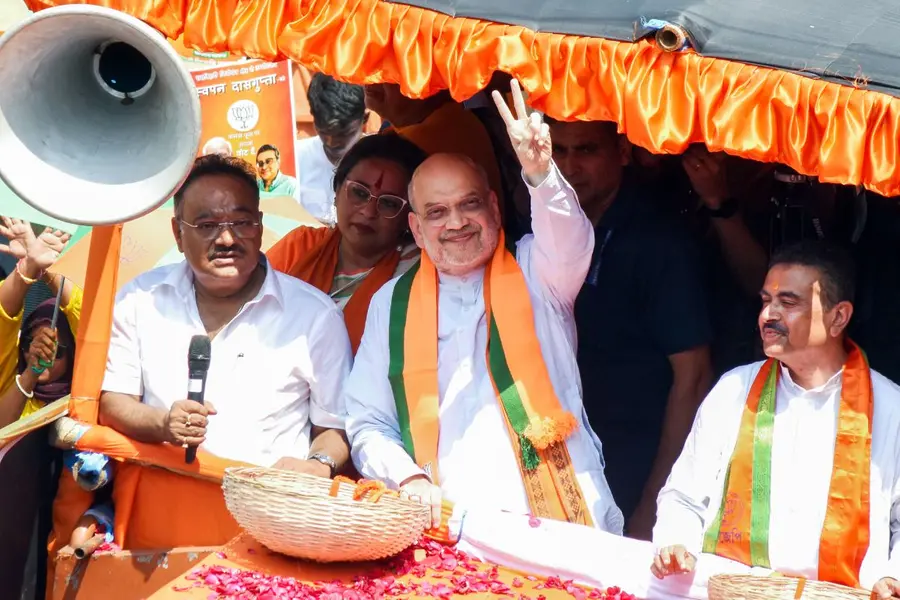
In a landmark political shift, West Bengal has voted for change, bringing an end to the long-standing dominance of the Trinamool Congress led by Mamata Banerjee. The Bharatiya Janata Party’s victory marks its first-ever ascent to power in the state, signalling a decisive transformation in voter mood. The result was not driven by a single wave but by a combination of strategy, sentiment, and structural groundwork that worked in the BJP’s favour across regions.
Here are six key factors that shaped the outcome:
1. Anti-incumbency and governance concerns
After 15 years of TMC rule, signs of fatigue among voters became increasingly visible. Issues such as unemployment, allegations of corruption, and local-level grievances played a crucial role. The BJP focused on these governance-related concerns rather than turning the election into a purely personality-driven contest, allowing it to tap into widespread dissatisfaction.
2. Rise of Suvendu Adhikari
The rise of Suvendu Adhikari as Mamata Banerjee’s principal challenger added a dramatic edge to the contest. A former TMC insider, Adhikari’s switch to the BJP gave the party both credibility and strategic advantage. By directly challenging Mamata on her home turf, he forced her to divert significant time and energy to defend her own seat.
3. Neutralising the ‘outsider’ narrative
The TMC’s campaign often portrayed the BJP as an external force unfamiliar with Bengal’s culture. The BJP countered this by emphasising cultural integration, highlighting local leadership, engaging with Bengali traditions, and addressing concerns over food habits and identity. Campaign appearances by Narendra Modi at culturally significant sites further reinforced this messaging.
4. Women voters and shifting priorities
Women have been a strong support base for Mamata Banerjee, aided by welfare schemes over the years. However, the BJP sought to make inroads by raising issues of safety and security while offering targeted promises such as financial assistance, transport benefits, and job reservations. This recalibration appears to have influenced sections of women voters.
5. Strengthened grassroots organisation
Unlike previous elections, the BJP entered this contest with a far more robust ground network. Under leaders like Bhupender Yadav, the party focused on booth-level management, training polling agents, and ensuring voter turnout. The re-emergence of leaders such as Dilip Ghosh also strengthened its organisational presence.
6. Changing voter equations
Electoral dynamics across communities also saw notable shifts. While the TMC has traditionally enjoyed strong support among Muslim voters, there were signs of fragmentation in certain regions. Additionally, consolidated backing from groups like the Matuas and participation from migrant voters returning to cast ballots added to the BJP’s advantage.
The BJP’s victory in West Bengal reflects a convergence of multiple factors, strategic planning, narrative shifts, and evolving voter expectations. For the TMC, the result signals a need to reassess both governance priorities and electoral strategy in a state that has demonstrated its readiness for political change.
Published: 04 May 2026, 04:51 pm IST
Disclaimer: Kindly avoid objectionable, derogatory, unlawful and lewd comments, while responding to reports. Such comments are punishable under cyber laws. Please keep away from personal attacks. The opinions expressed here are the personal opinions of readers and not that of Mathrubhumi.
